





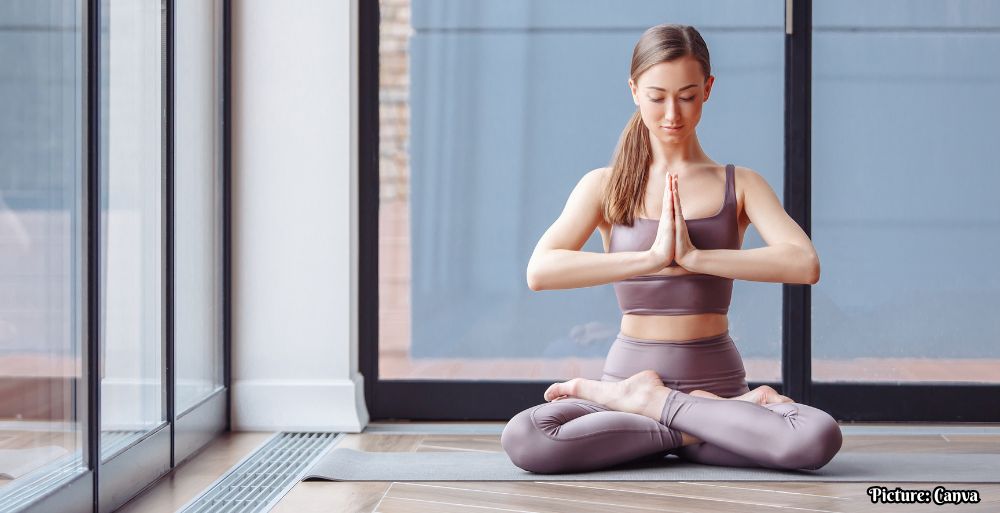
Yin Yoga serves as a mindful practice aimed at reducing stress and tension through a series of restorative postures that encourage relaxation and self-awareness.
As the pace of modern life accelerates, many individuals are increasingly seeking holistic methods to alleviate stress. Published on July 16, 2026, this article explores Yin Yoga, a practice that combines deep stretching and meditation to help practitioners find tranquility amid busy schedules.
The Essence of Yin Yoga
Yin Yoga is distinguished by its slow, deliberate pacing and focus on long-held poses that target connective tissues and promote deep relaxation. Unlike more vigorous forms of yoga, Yin Yoga emphasizes mindfulness, allowing practitioners to connect with their breath and body in a profound way. This practice encourages a meditative state, which can be particularly beneficial as individuals confront the daily pressures of work, family, and social obligations.
Supportive Props Enhance the Practice
One of the core elements of Yin Yoga is the use of props, such as yoga blocks, which are crucial in creating a supportive environment for practitioners. These props enable individuals to hold poses longer and more comfortably, facilitating a deeper release of tension. For instance, the Supported Sphinx Pose, where practitioners lie face down with blocks positioned beneath their shoulders, provides an opportunity to relax and let go of stress. By allowing the body to be supported, practitioners can fully engage in the process of unwinding.
A Sequence of Stress-Relieving Poses
The Yin Yoga sequence designed for stress relief includes several key poses that practitioners are encouraged to hold for durations of one to three minutes, depending on their comfort levels and experience. This intentional pacing allows the body to gradually adjust and release tension.
The sequence begins with the Supported Sphinx Pose, transitioning to Prone Savasana, which allows for a gentle release of the back and shoulders. Following these initial poses, practitioners move into the Rock Pose, where they sit back on their heels, facilitating a gentle stretch of the spine and hips. This pose can be particularly soothing, encouraging a sense of safety and comfort.
Next, the sequence includes Cow Pose and Cat Pose, which are dynamic movements that encourage spinal flexibility and promote the fluidity of breath. These poses together create a rhythmic flow that assists in dispersing built-up tension throughout the body. After this dynamic sequence, practitioners transition into Downward-Facing Dog, a foundational pose that stretches the entire body while allowing for grounding and introspection.
The practice then moves to Malasana, or Squat Pose, which invites participants to deepen their connection to the earth. For those who find the traditional squat challenging, modifications are available, such as lying on the back with knees bent, which provides a similar shape while maintaining accessibility. Finally, the sequence concludes with Savasana, where practitioners lie flat on their backs, allowing the effects of the practice to integrate into their physical and energetic bodies. This closing pose emphasizes stillness, encouraging a moment of reflection and gratitude for the time dedicated to self-care.
The Broader Context of Mindfulness
The growing popularity of practices like Yin Yoga reflects a broader societal trend toward mindfulness and holistic well-being. As the demands of daily life continue to escalate, individuals are increasingly recognizing the importance of mental health and stress management. Engaging in practices that cultivate mindfulness can lead to improved emotional regulation, enhanced focus, and greater overall resilience in the face of life’s challenges.
Research supports the benefits of mindfulness practices, indicating that regular engagement in such activities can lower levels of anxiety and depression while promoting a more positive state of mind. This is particularly important in today’s fast-paced world, where many people experience chronic stress that can adversely affect their physical and mental health.
Conclusion: A Commitment to Self-Care
Incorporating Yin Yoga into one’s routine not only aids in physical relaxation but also fosters a deeper connection to oneself. As practitioners dedicate time to this mindful practice, they are reminded of the importance of self-care in maintaining balance amid life’s demands. Taking the time to engage in activities that promote relaxation and mindfulness can significantly enhance overall well-being.
Ultimately, the practice of Yin Yoga serves as a reminder that in a world filled with obligations and distractions, dedicating time to one’s mental and physical health is not just beneficial but essential. Practitioners are encouraged to express gratitude for the moments spent in self-reflection and care, recognizing the value of such practices in navigating the complexities of modern life.



No Comment! Be the first one.