





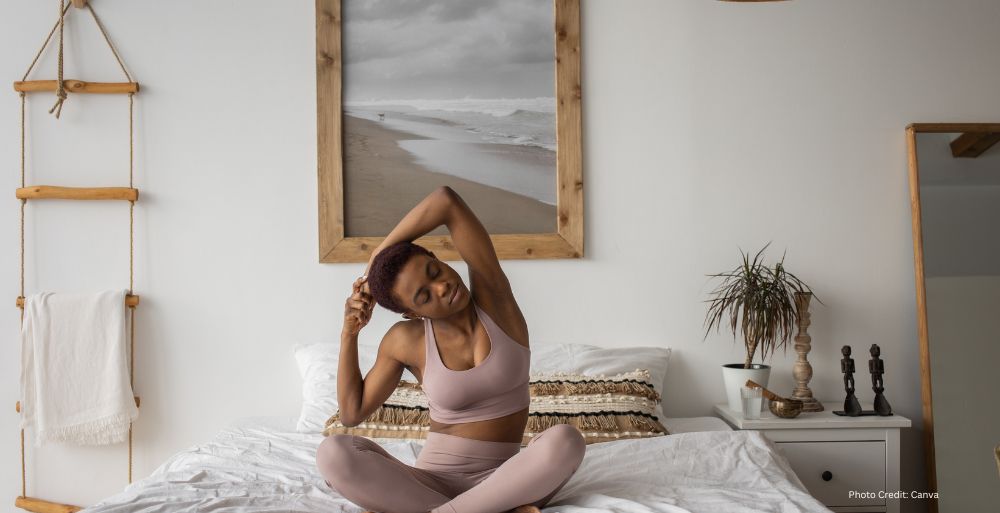
Practicing yoga in bed can significantly enhance relaxation and prepare the body for restorative sleep, according to certified yoga teacher Radiance Basden.
As the pursuit of effective stress relief and improved sleep quality intensifies among individuals, yoga continues to gain popularity as a versatile practice. On October 15, 2026, certified yoga teacher Radiance Basden introduced a concise ten-minute yoga routine tailored for the comfort of one’s bed. This innovative approach allows individuals to engage in gentle stretches and relaxation techniques that signal the mind and body that it is time to unwind.
Basden emphasizes that bed yoga activates the parasympathetic nervous system, which plays a crucial role in promoting relaxation and reducing stress hormones. This practice not only caters to those who may find traditional yoga challenging but also offers a unique way to foster mindfulness and tranquility in a familiar setting.
The Concept of Bed Yoga
Bed yoga is an accessible practice designed to accommodate the needs of individuals who may struggle to engage in more rigorous yoga routines. By performing gentle stretches and poses while lying down, practitioners can enjoy the relaxation benefits of yoga without the physical demands of a typical mat session. Basden highlights the importance of creating a peaceful and cozy environment, utilizing pillows for support, and incorporating soft blankets to enhance the overall experience.
The following segments of Basden’s routine are structured to encourage relaxation and foster a deeper connection between the body and mind:
Constructive Rest
The routine begins with the Constructive Rest position, where practitioners lie on their backs with their knees together and feet apart. Arms are positioned alongside the head in a goalpost shape. This initial pose is crucial for grounding the practitioner and allowing them to focus on their breath. Basden recommends staying in this position for three full cycles of breath, which serves to initiate a state of calmness and presence.
Windshield Wipers
Following Constructive Rest, practitioners transition into the Windshield Wipers movement. This gentle exercise involves allowing the legs to fall side to side, starting with the left side. The movement should mirror the rhythm of one’s breath, facilitating a soothing motion that can relieve tension in the lower back. Basden advises performing this sequence for three cycles of breath, promoting both relaxation and spinal mobility.
Knees to Chest
Next, individuals move into the Knees to Chest pose, where they hug their knees toward their chest while gently rocking from side to side. This position fosters a deeper connection to one’s body and encourages a moment of introspection. Practitioners are encouraged to stay in this pose for three full cycles of breath, allowing themselves to feel the comfort and support of their own body.
Reclining Twist
The practice then guides individuals into a Reclining Twist. Here, the legs are allowed to fall to one side while the gaze turns in the opposite direction. This pose not only promotes spinal flexibility but also aids in releasing tension throughout the torso. Staying in this position for three full breaths before switching sides enhances the benefits of this gentle twist.
Knee Circles
After the twist, practitioners bring their knees back toward their chest and guide them in gentle circles. This movement encourages flexibility in the hips and lower back, contributing to overall relaxation. Basden suggests performing three circles in one direction before switching to the opposite direction, allowing for a balanced release of tension.
Dynamic Waterfall Pose
Next in the routine is the Dynamic Waterfall Pose. During this segment, individuals lift their legs toward the sky, transitioning into a V-shape with the legs before returning to the original position. This cyclical motion is designed to invigorate the lower body while maintaining a sense of calm. Participants are advised to synchronize their movements with their breath, enhancing the meditative quality of the practice.
Happy Baby Pose
From the Waterfall position, practitioners can shift into Happy Baby Pose, bringing their knees toward their elbows and holding onto their feet. This playful pose encourages openness in the hips and allows for a moment of joy and lightness amidst relaxation. Staying in this position for three full cycles of breath facilitates a deeper connection to the body and promotes a sense of playfulness.
Reclining Bound Angle Pose
The routine concludes with the Reclining Bound Angle Pose, where the soles of the feet are brought together, and the knees lower gently to the bed. For added comfort, placing pillows beneath the knees can enhance the relaxing effects of this pose. Practitioners are encouraged to breathe deeply and remain in this position for an extended period, ideally three to five minutes or longer, allowing for complete relaxation and mindfulness.
Conclusion
Incorporating a short yoga practice in bed serves as a powerful tool for stress reduction and relaxation, particularly at the end of a long day. By emphasizing comfort and mindfulness, this routine offers individuals a chance to connect with themselves and prepare for a restful night. As more people recognize the significance of mental wellness and restorative practices, bed yoga presents an accessible option for enhancing relaxation and promoting a better quality of sleep.


No Comment! Be the first one.