




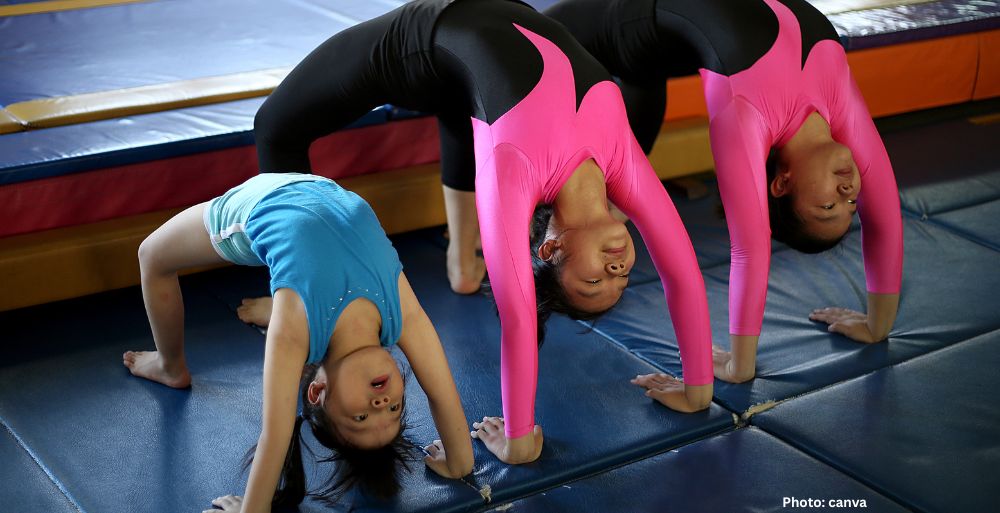
Gymnastics offers a versatile and accessible workout option for individuals of all ages, fostering strength, coordination, and physical competency, according to gymnastics coach Barney Linssen.
As society continues to grapple with health and fitness issues, gymnastics is emerging as a vital exercise modality for promoting longevity and well-being. According to gymnastics coach Barney Linssen, individuals of all ages can benefit from gymnastics, making it a prime candidate for those seeking to maintain or improve their physical fitness.
The Importance of Movement
Linssen emphasizes that a significant divide exists between those who are fit and healthy and those who wish to be. Often, the primary difference lies in the knowledge of how to exercise effectively. He argues that learning gymnastics can empower individuals to transform their bodies into their own personal gyms, providing them with the skills to work out anywhere and at any time.
“The overarching umbrella of gymnastics is bodyweight movement,” Linssen explains, highlighting that this form of exercise develops not only strength but also coordination and physical competency. Such physical attributes significantly enhance a person’s capability, leading to greater confidence in their exercise routines.
Benefits Beyond Aesthetics
The pursuit of gymnastics training can lead to a host of benefits that extend well beyond mere physical appearance. Linssen points out that working toward achievable goals—such as mastering a handstand or achieving a full press-up—can be more rewarding than the often superficial goal of weight loss. “A resilient, healthy, capable body is a welcome by-product of your training efforts,” he notes.
Moreover, gymnastics training can help dismantle common barriers to exercise. For individuals unable to access a gym or afford a membership, bodyweight workouts can be performed at home, often requiring minimal space and time. Linssen suggests starting with just five or ten minutes of movement in a garden or living room to get the ball rolling.
Combatting Inactivity
Statistics indicate that many individuals in the UK lead sedentary lifestyles, despite widespread awareness of the health benefits associated with regular exercise. Linssen underscores the notion that simply knowing about the advantages of exercise is insufficient motivation for many. This is where gymnastics shines, as it can offer individuals a specific goal to work towards, thereby fostering intrinsic motivation.
“If there’s something you’re interested in learning to do, such as your first handstand or full press-up, having that type of goal to work towards is much more likely to keep you intrinsically motivated to exercise,” he explains. The pursuit of these goals can help cultivate robust bones, joints, and muscles while also reducing the risk of chronic diseases and improving heart health.
Starting with the Basics
Despite the common association of gymnastics with Olympic-level athletes performing complex maneuvers, Linssen assures beginners that there are accessible entry points for all fitness levels. He recommends starting with basic bodyweight movements to build strength and alignment before transitioning into more advanced skills.
“The lower your training age, or the less history you have of exercising, the easier it will be for you to make progress, particularly with any form of strength training,” Linssen notes. He advises engaging in two to three sessions per week for several months to experience rapid improvements, as the body adapts quickly to new stimuli.
A Beginner’s Gymnastics Workout
For those ready to embark on their gymnastics journey, Linssen has outlined a beginner-friendly workout plan that combines functional strength training with skill development. The plan includes:
- Preparation Work: Wide stance squats (2 sets of 5 reps, holding the bottom position), scapular press-ups (2 sets of 8-12 reps).
- Strength Work: Squat progression (3 sets of 6-10 reps), press-up progression (3 sets of 6-10 reps).
- Optional Skills Practice: Choose one of the following for five minutes: frog balance, hollow hold or hollow rock, or tuck headstand.
Linssen advises selecting a variation of the squat and press-up that allows for controlled repetitions. Once a participant can perform ten good reps across all sets, they should aim to increase the difficulty rather than simply adding more repetitions.
Furthermore, Linssen highlights the difficulty in training pulling strength at home without equipment. He recommends incorporating resistance band exercises, such as bent-over rows, or utilizing a pull-up bar for hanging and assisted pull-up progressions as excellent additions to the routine.
Barney Linssen is committed to promoting gymnastics as a practical means of enhancing physical fitness and overall health. Through his work with The Gymnastics Course, which offers coaching programs and personalized training, he aims to equip individuals with the tools necessary to master bodyweight movements and achieve their fitness goals.



No Comment! Be the first one.