





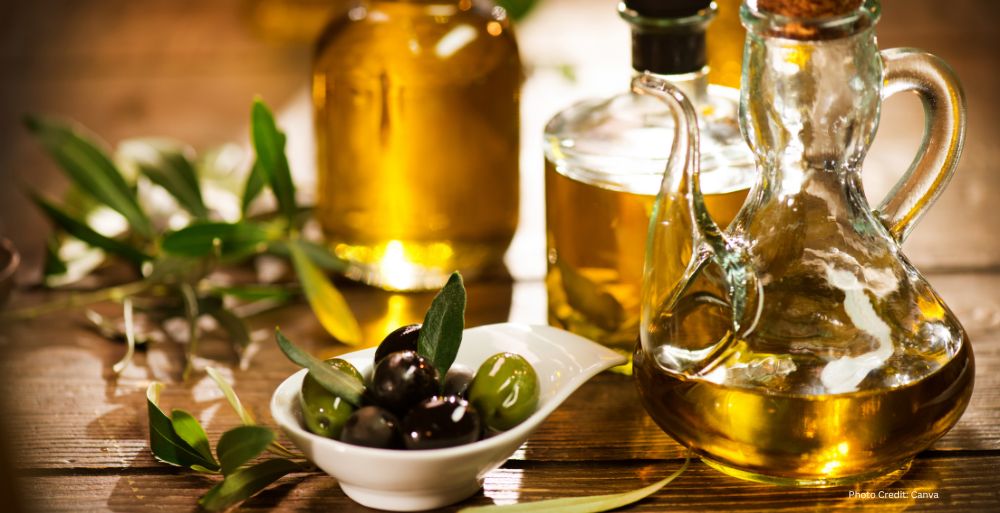
Extra virgin olive oil (EVOO) is a fundamental component of the Mediterranean diet, recognized for its potential health benefits, which include heart protection, cancer prevention, and improved bone health. This article delves into the nutritional specifics of EVOO and its applications in dietary practices.
Extra virgin olive oil (EVOO) has emerged as a pivotal element of the Mediterranean diet, which has garnered acclaim for its numerous health benefits, particularly concerning cardiovascular health. This oil is not only celebrated for its culinary versatility—used in salad dressings, marinades, and as a finishing touch in various dishes—but also for its rich nutritional profile.
Understanding Extra Virgin Olive Oil
The designation “extra virgin” signifies that this olive oil is the least processed form available on the market. To achieve this status, the oil is extracted through methods that avoid chemical refinement and excessive heat, typically using a cold-pressing technique. This approach helps preserve the oil’s natural flavors, antioxidants, and beneficial compounds, including polyphenols, which are recognized for their health-promoting properties.
Nutritional Profile of Extra Virgin Olive Oil
The nutritional content of extra virgin olive oil can vary based on several factors, including olive variety, harvest timing, and processing methods. On average, a single tablespoon of EVOO contains:
- Calories: 126
- Fat: 14 grams (primarily monounsaturated fats)
- Protein: 0 grams
- Carbohydrates: 0 grams
- Fiber: 0 grams
While EVOO contains limited micronutrients, it is a significant source of vitamin E and vitamin K, providing approximately 19% and 3% of the daily recommended values, respectively, per tablespoon.
Health Benefits of Extra Virgin Olive Oil
Extensive medical research has identified several health benefits associated with the regular consumption of extra virgin olive oil. These benefits include:
- Heart Health: The Mediterranean diet, rich in EVOO, is linked to lower cardiovascular disease risk factors. Studies indicate that EVOO possesses anti-inflammatory properties and enhances endothelial function, which is crucial for maintaining vascular health.
- Anticancer Properties: The polyphenols in EVOO may help reduce the risk of certain cancers. Research has shown that individuals consuming a diet high in olive oil have a lower incidence of breast cancer and cancers of the digestive system, although evidence for other cancer types remains inconclusive.
- Bone Health: High olive oil intake has been correlated with improved bone density and a decreased risk of hip fractures, potentially due to the beneficial effects of polyphenols on bone health.
- Diabetes Prevention: Diets that include olive oil may offer protective benefits against type 2 diabetes. One study found that participants who consumed olive oil experienced fewer new cases of diabetes compared to those on other dietary patterns.
- Brain Health: Regular consumption of EVOO may help prevent mild cognitive impairment. A study comparing various diets revealed that participants on a Mediterranean diet enriched with olive oil exhibited less cognitive decline over a 6.5-year period.
Potential Risks and Considerations
While extra virgin olive oil is generally considered safe for consumption, there are few known risks associated with moderate intake. Even oils that have gone rancid typically only affect taste rather than pose significant health threats. The high calorie content of EVOO, while notable, is not regarded as a major health risk. Instead, the calorie density may contribute to satiety, potentially aiding in appetite control and reducing overall food intake.
Factors Influencing Olive Oil Quality
The quality of olive oil is determined by various factors, including extraction methods, olive types, and environmental conditions such as climate and soil. Cold-pressed olive oil is often viewed as superior due to its ability to retain essential nutrients, as this method involves pressing olives without applying heat, thus preserving valuable antioxidants and healthy fats.
Infused olive oils, which are flavored with herbs, fruits, or vegetables, can enhance culinary applications. However, caution should be exercised when preparing homemade infused oils, as the added ingredients may harbor bacteria that could lead to foodborne illnesses. Some popular infused varieties include garlic, hot pepper, and rosemary.
Comparative Analysis with Other Oils
Avocado oil, another popular culinary oil, shares many nutritional similarities with extra virgin olive oil, including its heart-healthy fats and anti-inflammatory properties. Like EVOO, cold-pressed avocado oil is unrefined, retaining essential nutrients and often displaying a greenish hue due to the avocado’s natural color.
Conclusion
Extra virgin olive oil is not only valued for its flavor and culinary versatility but also for its extensive health benefits. As ongoing research continues to explore the effects of olive oil on various health outcomes, it remains a prominent choice for those seeking to enhance their diets with nutritious, heart-healthy fats. With its integration into daily eating habits, EVOO can serve as a delicious and beneficial component of a well-rounded diet.




No Comment! Be the first one.