



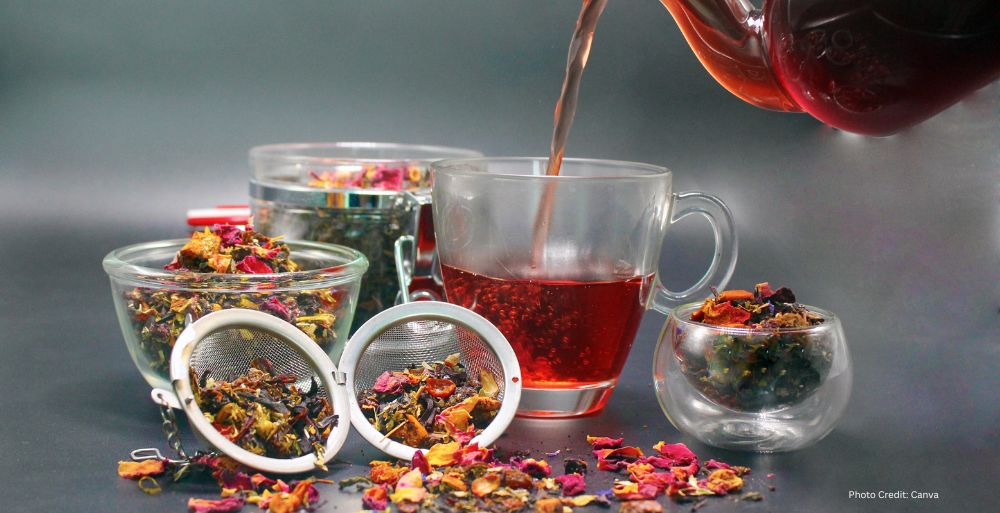
Herbal teas, commonly known as tisanes, offer a variety of potential health benefits and risks based on their ingredients and individual health conditions. This article examines different types of herbal teas, their purported benefits, and the necessary precautions for consumers.
Herbal teas, or tisanes, are beverages created by infusing various plants, flowers, leaves, or spices in hot water. Unlike traditional teas derived from the Camellia sinensis plant, herbal teas are typically caffeine-free, making them a popular choice for individuals seeking soothing or health-promoting options without the stimulating effects of caffeine. This article will delve into the various types of herbal teas, their potential health benefits, and the risks associated with their consumption.
Types of Herbal Teas and Their Health Claims
One of the most recognized herbal teas is rooibos tea, which originates from a plant native to South Africa. Rooibos is praised for its antioxidant properties and is caffeine-free, which adds to its appeal. Preliminary studies, primarily conducted on animal subjects, suggest that rooibos may enhance immune function and possibly reduce cancer risk. However, comprehensive human studies are necessary to substantiate these claims. Health professionals often advise individuals with hormone-sensitive conditions or those undergoing chemotherapy to consult with their healthcare provider prior to incorporating rooibos tea into their diet.
Chamomile tea is another widely consumed herbal option, known for its calming effects. Traditionally, it has been used to alleviate digestive issues and anxiety. Some studies indicate that chamomile may assist in managing generalized anxiety disorder, although the evidence supporting other health claims remains limited. It is important to note that individuals with allergies to ragweed should avoid chamomile, as it may trigger adverse reactions. Furthermore, chamomile can interact with blood-thinning medications, such as warfarin, making it crucial for users to discuss their herbal intake with their healthcare provider.
Rose hip tea, derived from the seed pods of wild roses, is celebrated for its high vitamin C content and potential anti-inflammatory properties. Early research suggests that rose hip tea may alleviate arthritis pain, but more extensive studies are required to verify its effectiveness. Generally, rose hip tea is safe for consumption, although some individuals may experience allergic reactions or gastrointestinal discomfort.
Peppermint tea is often sought after for its purported ability to relieve gastrointestinal discomfort, headaches, and respiratory issues. Despite its longstanding use in traditional medicine, scientific scrutiny of peppermint tea’s health claims is limited. The essential oil derived from peppermint has been studied more rigorously, which indicates a need for additional research into the benefits of the tea itself.
Ginger tea, made from the root of the ginger plant, is commonly used to combat nausea and stimulate appetite. Some research indicates that ginger may effectively alleviate pregnancy-related nausea, but evidence supporting other claimed benefits is sparse. Pregnant individuals are advised to seek guidance from healthcare professionals before regularly consuming ginger tea as part of their diet.
Potential Risks and Interactions
While many herbal teas are generally considered safe, they may still cause adverse effects or interact with medications. For instance, valerian root tea is often associated with promoting relaxation and improving sleep quality. However, excessive consumption can lead to nausea and abdominal pain. Pregnant women are typically advised to avoid valerian tea due to its potential impact on pregnancy.
Dandelion tea, which is often linked to liver and gallbladder health, lacks substantial scientific backing for its effectiveness. Although it is generally safe for most individuals, those allergic to dandelions should exercise caution when consuming this herbal tea.
Hibiscus tea, extracted from the hibiscus flower, is rich in antioxidants and has been shown in small studies to lower blood pressure. Although it holds promise for cholesterol reduction, more extensive research is needed to explore this potential. Moderate consumption of hibiscus tea is generally considered safe.
Echinacea, a commonly used herbal remedy for colds, is believed to enhance the immune system. However, scientific support for its effectiveness remains limited, and pregnant individuals or those with specific allergies should avoid it due to potential drug interactions. Other herbal teas, such as those made from sage or wormwood, have historical uses for various ailments, including digestive problems and anxiety. However, scientific evidence supporting these claims is frequently lacking, and some varieties may contain compounds that could affect the nervous system.
Conclusion
In conclusion, while herbal teas offer a diverse array of potential health benefits, the evidence supporting many of these claims is often inconclusive or based on limited research. Individual reactions to herbal teas can vary significantly, and some may present risks, particularly for those with specific health conditions or those taking certain medications. It is essential for consumers to approach herbal teas with a careful perspective, consult healthcare professionals as needed, and stay informed about ongoing research in this evolving field. As interest in herbal remedies continues to grow, further studies will be necessary to clarify the health implications of various herbal teas and guide consumers in making informed choices.


No Comment! Be the first one.