




Yale Study Reveals Nearly Half of Older Adults Experience Improvement in Cognitive and Physical Abilities

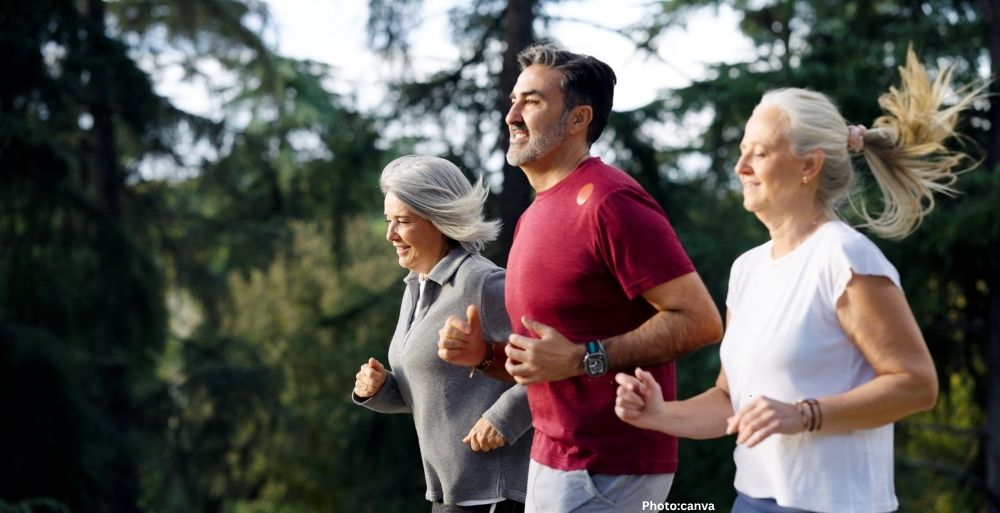
Research from Yale University demonstrates that nearly 50% of older adults show measurable improvement in cognitive and physical functions over time, challenging the prevailing narrative of inevitable decline associated with aging.
A recent study conducted by researchers at Yale University provides a more positive outlook on the aging process, indicating that nearly half of older adults aged 65 and older experience measurable improvements in cognitive and physical abilities over time. This research, published in the journal Geriatrics, was funded by the National Institute on Aging and is based on over a decade of data drawn from a nationally representative sample of older Americans.
The study analyzed data from more than 11,000 participants in the Health and Retirement Study (HRS), a long-term, federally funded survey that monitors the health and economic circumstances of older adults. Researchers assessed cognitive function changes using a global cognitive assessment and evaluated physical function through walking speed, an important metric linked to overall health, disability, hospitalization, and mortality rates.
Insights on Aging
Throughout the study, researchers tracked participants for up to 12 years, discovering that 45% of adults aged 65 and older demonstrated measurable improvement in at least one of the two key areas—cognitive or physical function. Specifically, approximately 32% of participants exhibited cognitive improvements, while 28% showed enhancements in physical abilities. Notably, many of these improvements were significant enough to be clinically meaningful, underscoring the potential for positive change in later life.
Lead author Becca R. Levy, a professor of social and behavioral sciences at the Yale School of Public Health, emphasized the importance of these findings, stating, “Many people equate aging with an inevitable and continuous loss of physical and cognitive abilities. What we found is that improvement in later life is not rare; it’s common, and it should be included in our understanding of the aging process.” This perspective challenges the long-held belief that aging is synonymous with decline.
Examining Age Beliefs
The study also sought to investigate the reasons behind the varying improvement rates among older adults. Researchers examined the influence of age-related beliefs held by participants at the beginning of the study, specifically whether they possessed positive or negative views about aging. Their analysis indicated that older adults with more positive beliefs about aging were significantly more likely to improve in both cognitive performance and walking speed. This relationship persisted even after adjusting for factors such as age, sex, education, chronic illness, depression, and duration of follow-up.
This research builds on Levy’s stereotype embodiment theory, which posits that societal stereotypes about aging, absorbed through various media and cultural narratives, can significantly influence individuals’ beliefs and behaviors, leading to measurable biological outcomes. Previous studies led by Levy have shown that negative beliefs about aging correlate with poorer memory, slower walking speeds, increased cardiovascular risk, and even biomarkers associated with Alzheimer’s disease.
Conversely, the current study demonstrates that those who have internalized more positive beliefs about aging often show a greater capacity for improvement. Levy commented, “Our findings suggest there is often a reserve capacity for improvement in later life,” highlighting the potential for interventions aimed at fostering positive age beliefs at both individual and societal levels.
Challenging Established Narratives
Remarkably, the improvements identified in the study were not limited to participants who initially displayed cognitive or physical impairments. Researchers found that even those who began the study with normal cognitive and physical abilities frequently demonstrated enhancements over time. This finding challenges the conventional view that gains in later life are merely a recovery from illness or a return to previous functional levels following a setback.
The authors hope that these results will contribute to a broader shift in public perceptions regarding aging, challenging the belief that continuous decline is an unavoidable aspect of growing older. They advocate for increased investment in preventive care, rehabilitation programs, and health-promoting services designed to empower older adults in enhancing their resilience and capacity for improvement.
Co-author Martin Slade, a lecturer in occupational medicine at Yale School of Medicine and a member of the Department of Environmental Health Sciences at YSPH, emphasized the significance of these findings in reshaping societal views on aging, stating that “this research opens up new avenues for understanding how we can support our older population in thriving rather than merely surviving.”
Implications for Future Research and Policy
The study represents a pivotal advancement in understanding the complexities surrounding aging, emphasizing that positive age beliefs and proactive health measures can lead to significant improvements in the lives of older adults. As the global population ages, these insights will be crucial for policymakers and healthcare providers aiming to enhance the well-being of older individuals.
Furthermore, the findings underline the necessity for societal shifts in how aging is portrayed and understood, advocating for a narrative that recognizes the potential for growth and improvement at any age. By fostering environments that promote positive beliefs about aging, society can help older adults leverage their inherent capacity for resilience and improvement.
In conclusion, this research not only challenges the prevailing notions about aging but also lays the groundwork for future studies to explore the mechanisms through which positive beliefs can be cultivated and the practical interventions that can be implemented to support older adults in their pursuit of health and well-being.




No Comment! Be the first one.