




Intensive Meditation Retreat Found to Produce Significant Biological Changes, Study Suggests

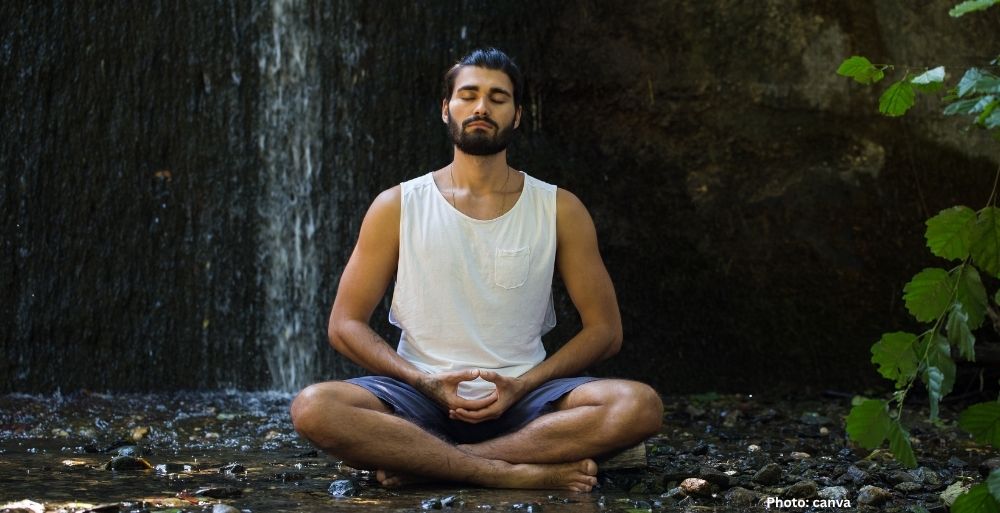
A recent study from the University of California San Diego indicates that just seven days of intensive meditation and mind-body practices can lead to measurable changes in brain activity, metabolism, and immune signaling, with implications for health and well-being.
Researchers at the University of California San Diego (UCSD) have unveiled compelling findings that suggest a mere seven-day intensive meditation retreat can significantly alter biological processes in the human body. The study, published in the journal Communications Biology, highlights changes in brain activity, metabolism, immune signaling, and pain control mechanisms, indicating that such practices may go far beyond mere relaxation.
The research is part of a multi-million-dollar initiative funded by the InnerScience Research Fund and represents the first comprehensive study measuring the biological impacts of multiple mind-body practices conducted in a short, focused program. According to Dr. Hemal H. Patel, the senior author and professor of anesthesiology at UC San Diego School of Medicine, “We’ve known for years that practices like meditation can influence health, but what’s striking is that combining multiple mind-body practices into a single retreat produced changes across so many biological systems that we could measure directly in the brain and blood. This isn’t about just stress relief or relaxation; this is about fundamentally changing how the brain engages with reality and quantifying these changes biologically.”
Study Overview
The study involved 20 healthy adult participants who underwent a seven-day residential program led by neuroscience educator Joe Dispenza, D.C. The retreat featured daily lectures, approximately 33 hours of guided meditation, and group healing practices. Notably, some of these activities employed an “open-label placebo” approach, where participants were aware they were not receiving an active treatment. This method has been explored in research due to its potential to elicit measurable effects through expectation and social interaction.
Before and after the retreat, researchers utilized functional magnetic resonance imaging (fMRI) to analyze changes in brain activity, while blood samples were collected to assess alterations in metabolism, immune responses, and molecular signaling.
Biological Changes Observed
The findings revealed several significant biological changes post-retreat. Notably, brain activity decreased in regions associated with internal mental chatter during meditation, suggesting enhanced efficiency in brain function. Evidence of increased neuroplasticity was also observed; laboratory experiments showed that neurons exposed to post-retreat plasma developed longer branches and formed more connections—traits linked to improved communication among nerve cells.
Metabolic alterations were apparent as well. Cells subjected to plasma collected after the retreat exhibited heightened glycolytic metabolism, indicating a more flexible metabolic state. Furthermore, an increase in endogenous opioids was noted, suggesting that the retreat activated the body’s natural pain control systems. Endogenous opioids are naturally occurring substances that help manage pain without the need for external medications.
Researchers also detected changes in immune signaling, with both inflammatory and anti-inflammatory signals increasing simultaneously. This complex adaptive response might indicate a more nuanced immune system reaction rather than a straightforward increase or decrease in activity.
Mystical Experiences and Neural Connectivity
In addition to the biological changes, the researchers explored participants’ subjective experiences during the retreat. Using the Mystical Experience Questionnaire (MEQ-30), which assesses feelings of unity, transcendence, and altered consciousness, participants reported a significant increase in average scores from 2.37 to 3.02 following the retreat. Those who reported more profound mystical experiences tended to exhibit greater biological changes, particularly an enhanced integration of activity across different brain regions.
This relationship suggests that increased connectivity among brain networks may correlate with heightened experiences of altered consciousness. Intriguingly, some patterns of brain activity observed in the study resembled those documented in individuals using psychedelic substances, despite participants not consuming any drugs. Dr. Patel noted, “We’re seeing the same mystical experiences and neural connectivity patterns that typically require psilocybin, now achieved through meditation practice alone.”
Implications for Health and Future Research
The implications of these findings offer a potential biological framework for understanding how non-drug mind and body interventions may enhance health and well-being. Increased neuroplasticity could support mental health processes, learning, emotional regulation, and resilience against stress. The observed changes in immune activity and the rise in endogenous opioids are particularly noteworthy for pain management research.
However, it is crucial to note that the study was conducted on healthy adults, and further controlled clinical trials are necessary to ascertain whether these biological changes can lead to tangible health benefits, particularly for individuals with chronic pain, mood disorders, or immune-related conditions.
Another area for future inquiry is determining which specific components of the retreat were most responsible for the observed effects. The combination of meditation, reconceptualization, and open-label placebo healing makes it challenging to assess the individual contributions of each practice. Future studies will aim to isolate these elements and examine their effects both separately and in various combinations.
Dr. Alex Jinich-Diamant, a doctoral student involved in the research, remarked, “This study shows that our minds and bodies are deeply interconnected—what we believe, how we focus our attention, and the practices we participate in can leave measurable fingerprints on our biology. It’s an exciting step toward understanding how conscious experience and physical health are intertwined, and how we might harness that connection to promote well-being in new ways.”
The study’s co-authors include researchers from UC San Diego, Metamorphosis LLC, VitaMed Research, and the Institute for Advanced Consciousness Studies. The research received support from the InnerScience Research Fund and a Veterans Administration Research Career Scientist Award.


No Comment! Be the first one.