



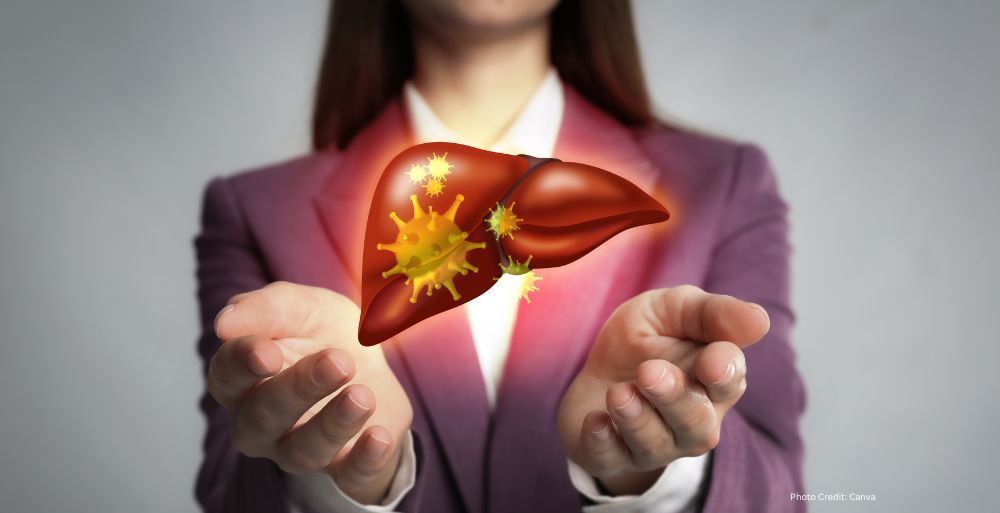
Health experts warn about the potential dangers to liver health from commonly used over-the-counter medications and supplements, urging consumers to exercise caution.
As over-the-counter (OTC) medications become a staple in many American households for alleviating pain, cold symptoms, and other health issues, medical professionals are increasingly emphasizing the risks associated with certain drugs. Acetaminophen, nonsteroidal anti-inflammatory drugs (NSAIDs) such as ibuprofen and naproxen, and various herbal supplements are recognized as potential threats to liver health when misused or overused.
Understanding Acetaminophen’s Risks
Acetaminophen, widely known by its brand name Tylenol, is often the go-to choice for pain relief and fever reduction. While generally safe when used as directed, it poses significant risks for liver damage in cases of overdose or prolonged use. The liver metabolizes acetaminophen efficiently under normal circumstances; however, excessive doses can overwhelm its processing capacity, leading to the buildup of toxic substances that injure liver cells.
Symptoms of liver damage from acetaminophen overdose include fatigue, nausea, vomiting, and jaundice, characterized by a yellowing of the skin and eyes. Health experts stress the critical importance of adhering to recommended dosages and advise against the simultaneous consumption of alcohol, which can exacerbate liver toxicity. In situations of suspected overdose, immediate medical intervention is essential, as early treatment can help prevent severe liver damage.
The Prevalence of Acetaminophen in OTC Products
Many OTC medications contain acetaminophen, including popular cold and flu remedies like DayQuil and NyQuil, along with pain relievers like Excedrin and Alka-Seltzer Plus. The widespread presence of acetaminophen increases the risk of unintentional overdose, particularly among individuals using multiple products concurrently. It is advisable for consumers to read labels carefully and monitor their total acetaminophen intake. Pharmacists and healthcare providers can offer valuable guidance to help individuals navigate potential risks associated with these medications.
NSAIDs: Ibuprofen and Naproxen
Ibuprofen, sold under brand names such as Advil and Motrin, is another commonly used option for pain relief and inflammation. While it is generally safe when taken according to guidelines, prolonged or excessive use can lead to liver damage. At recommended doses, ibuprofen is effectively metabolized by the liver, but high doses can introduce risks of toxicity, resulting in symptoms such as fatigue and jaundice. Individuals with pre-existing liver conditions are advised to consult healthcare providers before using ibuprofen.
Naproxen, known by brand names like Aleve and Anaprox, is also an NSAID with potential risks for liver health. Like ibuprofen, long-term use or high doses of naproxen can lead to liver inflammation and damage. Patients should exercise caution when using naproxen, especially if they have known liver issues or are taking other medications that may affect liver function.
Aspirin and Its Effects on Liver Health
Aspirin, commonly utilized for pain relief and inflammation reduction, can adversely affect liver health, particularly among individuals with liver conditions such as fatty liver disease. While low doses are generally considered safe, higher doses or long-term use may lead to liver toxicity, showing symptoms like nausea and jaundice. Consulting healthcare professionals before initiating or continuing aspirin therapy is advisable, particularly for those with pre-existing liver issues.
The Risks of Pseudoephedrine
Pseudoephedrine, found in decongestants like Sudafed, may pose risks for individuals with advanced liver disease. When liver function is compromised, the use of pseudoephedrine can lead to elevated levels of the drug in the bloodstream, heightening the potential for toxicity. Patients are encouraged to discuss the use of pseudoephedrine and other OTC medications with healthcare providers to identify safer alternatives for symptom management.
The Complex Landscape of Herbal Supplements
While many individuals turn to herbal supplements for various health benefits, the safety and efficacy of these products can be inconsistent. Supplements such as kava, green tea extract, comfrey, and black cohosh have been linked to instances of liver damage. Unlike medications, supplements are not strictly regulated by government agencies, which raises significant concerns about their safety and potential interactions with other drugs.
Excessive use of supplements or combining multiple products can overwhelm the liver, leading to toxicity and subsequent liver damage. Healthcare providers recommend consulting with professionals before adding new supplements to one’s regimen, particularly for those with existing liver conditions or those taking other medications that may influence liver health.
Conclusion: The Importance of Informed Use
In conclusion, while OTC medications and supplements can provide substantial relief from various ailments, it is crucial for consumers to remain aware of their potential risks to liver health. Adhering to recommended dosages, consulting healthcare providers, and being informed about the contents of medications and supplements can significantly mitigate these risks. As the understanding of liver health evolves, maintaining a dialogue with healthcare professionals is essential for safe medication practices and overall well-being.


No Comment! Be the first one.