





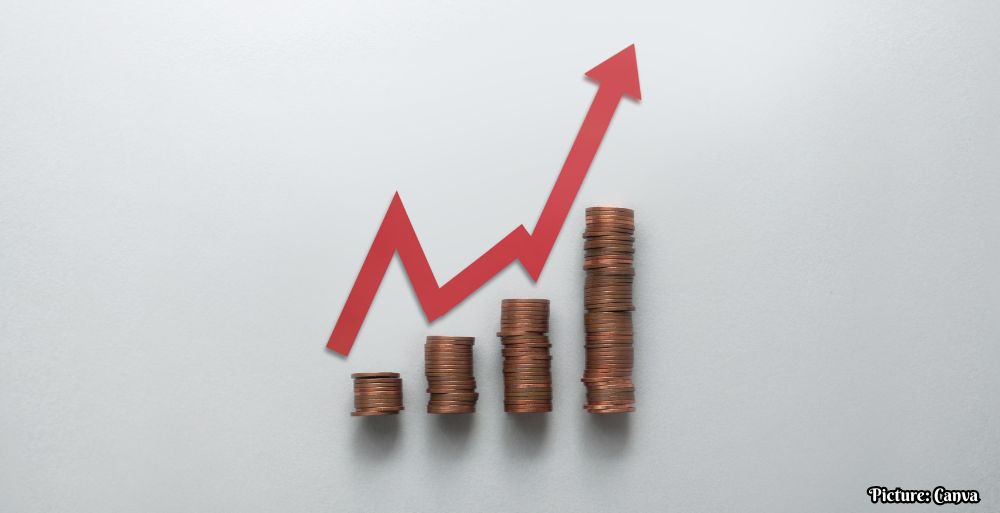
U.S. inflation rates rose unexpectedly in October, raising concerns about persistent price increases affecting consumers and policymakers.
WASHINGTON (AP) — U.S. inflation exceeded expectations in October, with rising prices posing ongoing challenges for the Biden administration and the Federal Reserve. According to data released by the Labor Department on Tuesday, the consumer price index (CPI) increased by 0.4% from September to October, a decrease from the 0.6% rise reported the previous month. However, the government refrained from calculating a yearly inflation rate due to a government shutdown last year that disrupted data collection.
When excluding the volatile categories of food and energy, the core CPI also advanced by 0.3%, consistent with September’s figure. Both inflation measures were a tenth of a point higher than economists had forecast, leading to expectations that annual inflation rates could significantly exceed the Federal Reserve’s target of 2%.
The latest inflation figures have intensified worries that robust consumer and business spending, coupled with increasing gas prices and supply chain disruptions, are contributing to a more entrenched inflationary environment. The economy grew at a 3.4% annualized rate during the third quarter of 2023, primarily driven by consumer expenditures.
Expert Analysis on Inflation Trends
Riccardo Trezzi, founder of Underlying Inflation and a former Federal Reserve economist, expressed concern over the broad and persistent nature of inflation. “It’s worrisome. There is a sense that inflation is broad, persistent, a little bit everywhere,” Trezzi stated. He estimates that consumer prices have increased by approximately 4% year-over-year in October, up from a 3.7% rise in September, while core prices are estimated to have risen by 2.8%, compared to 2.6% the previous month.
These inflationary pressures played a significant role in recent electoral outcomes, as voters expressed discontent with Republican majorities in both the House and Senate. The Associated Press Voter Poll, which surveyed 100,000 voters, revealed that about two-thirds of respondents attributed rising costs to incumbent policies, while 90% stated that the cost of living was a critical factor influencing their votes.
Potential Federal Reserve Actions
Given the persistent inflation, market analysts anticipate that the Federal Reserve may implement a more aggressive approach to monetary policy, potentially raising interest rates at its upcoming meeting in December. The Fed opted to maintain current rates during its last meeting in late October but had previously increased them in September. Christopher Waller, a prominent member of the Federal Reserve’s rate-setting committee, indicated that a half-point increase might be on the table, which would be double the usual quarter-point hike. “Economic activity is strong, the labor market is stable, but inflation is too high, well above” the Fed’s 2% target, Waller commented.
Following the inflation report, stock prices declined in early trading, and Treasury yields rose, reflecting concerns over ongoing inflation and potential rate hikes from the Federal Reserve.
Impact of Rising Gas Prices
In the latest report, gas prices increased by 1% from September to October, continuing a trend that has seen prices surge by more than 37% over the past year. However, recent declines in oil prices raise hopes that the ongoing conflict in the Middle East may be stabilizing, potentially leading to reduced gas costs in the coming months. Despite this, there are indications that higher energy prices are influencing broader sectors of the economy, with airfares, public transportation, and delivery service costs all rising sharply.
Electricity prices rose by 0.9% from September to October, the highest increase since April, while grocery prices saw a significant increase of 0.4%. Notably, beef prices rose by 0.9% last month, following an earlier surge of nearly 14% in the first half of the year. Restaurants have also felt the impact, with prices increasing by 0.5% in the same period—the most substantial rise since January 2024.
Broader Economic Effects
Additionally, inflation has been exacerbated by substantial investments in artificial intelligence, which have driven up costs for computer chips, electricity, and consumer electronics. Following the recent elections, voters supported candidates who pledged to slow the construction of data centers, reflecting concerns about rising costs. The government report indicated that computer prices increased by 0.5% last month, following a nearly 10% rise in the year leading up to September.
Inflation is not confined to sectors directly impacted by energy prices or technological investments. Services such as streaming have also seen price hikes, with Disney raising subscription costs for its ad-supported Disney+ and Hulu bundle from $11.99 to $12.49. The ad-free version saw an increase of $2.50 to $21.49.
Small businesses are experiencing the effects of reduced consumer spending. Chris Butler, CEO of National Tree Company, noted a significant decline in customer spending, with most customers now budgeting $200 or less for holiday trees, a stark contrast to the pandemic period when spending often reached $300 to $400. Butler remarked, “Inflation continues to persist. Gas prices continue to be high, so consumers are hurting from a discretionary perspective.”
While other indicators show the economy remains stable—with the unemployment rate at a low 4.1%—high prices have led to a generally pessimistic outlook among Americans. Jim Baird, chief investment officer at Plante Moran Financial Advisors, summarized the sentiment, stating, “It might not be a recession, but if you’re still living paycheck to paycheck and watching gas prices go up, grocery prices go up, your rent costs go up, it’s not going to feel like a robust economy.”





No Comment! Be the first one.