





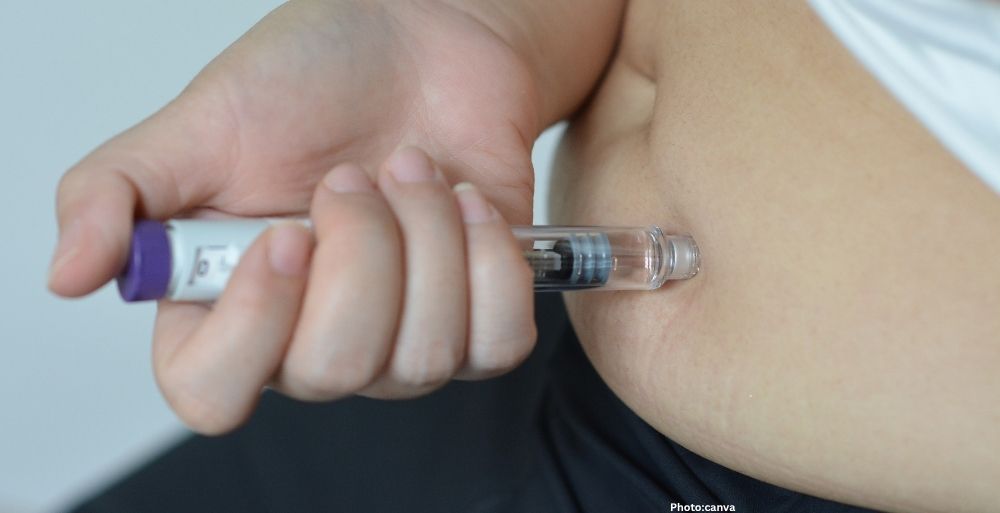
Prescription medications for weight loss are increasingly recognized as effective treatments for obesity, with various options available for patients.
As the prevalence of obesity continues to escalate in the United States, with the Centers for Disease Control and Prevention (CDC) reporting that 42.4% of adults meet the clinical definition of obesity (a body mass index of 30 or higher), prescription weight loss medications have emerged as a viable alternative for individuals who have struggled with traditional weight loss methods such as diet and exercise. These medications are particularly indicated for patients with a BMI of at least 27 who also have weight-related health conditions, including diabetes and hypertension.
Recent Developments in Obesity Treatment
The landscape of weight management has evolved significantly with the introduction of new prescription drugs approved for the treatment of obesity. Among the most noteworthy are semaglutide, marketed under the brand name Wegovy, and tirzepatide, known as Zepbound. These medications represent a significant advancement in pharmacotherapy for weight management, offering patients new hope in combating obesity. In addition to these newer agents, several established medications remain in use, including liraglutide (Saxenda), naltrexone-bupropion (Contrave), orlistat (Alli, Xenical), and phentermine-topiramate (Qsymia).
Understanding GLP-1 Agonists
Glucagon-like peptide-1 (GLP-1) agonists, which include Wegovy and Ozempic, are primarily prescribed for both obesity and type 2 diabetes management. GLP-1 is a hormone released in the gut that plays a critical role in regulating insulin secretion, slowing gastric emptying, and signaling satiety to the brain. Wegovy is administered via a self-injection once a week, typically starting with a lower dose that is gradually increased over a period of several months. In the pivotal clinical trials leading to its FDA approval, participants receiving the highest dose of Wegovy reported an average weight loss exceeding 12% over 17 months.
It is noteworthy that Ozempic, while not officially approved for weight management, is pharmacologically identical to Wegovy and is frequently prescribed off-label for weight loss, particularly among patients with diabetes.
Other Weight Loss Medications
Another GLP-1 agonist, liraglutide, requires daily injections and similarly increases its dosage over time. Patients are typically advised to discontinue use if they do not achieve at least 4% weight loss within the first 16 weeks of treatment. On the other hand, tirzepatide is a weekly injection that, although not yet approved for obesity treatment, has demonstrated promising weight loss results in diabetes trials, where participants experienced significantly greater weight loss compared to those receiving standard diabetes treatments.
Side Effects and Long-Term Considerations
While GLP-1 agonists have demonstrated efficacy, they are associated with a range of potential side effects, including nausea, vomiting, diarrhea or constipation, headache, fatigue, and abdominal pain. Importantly, these medications are intended for long-term use; however, patients often experience a plateau in weight loss after approximately one year, with the likelihood of weight regain if treatment is discontinued. Ongoing research aims to further elucidate the long-term safety and efficacy of GLP-1 agonists.
In addition to GLP-1 agonists, other weight loss medications include a variety of mechanisms. Phentermine-topiramate is a combination of an appetite suppressant and an anticonvulsant, which can cause side effects such as tingling in the extremities, dizziness, insomnia, constipation, and dry mouth. Naltrexone-bupropion combines an opioid antagonist and an antidepressant, effectively controlling food cravings and appetite; potential side effects include nausea, constipation, headache, vomiting, and dizziness.
Orlistat, available both as a prescription and over-the-counter, functions by blocking the absorption of approximately 30% of fat from consumed meals. However, it can induce gastrointestinal side effects, including oily stools and frequent bowel movements. Phentermine, a short-term appetite suppressant, affects the central nervous system but is recommended for use only for a maximum of 12 weeks due to potential adverse effects such as increased heart rate and blood pressure.
Medical Guidance and Individual Considerations
Choosing the appropriate weight loss medication necessitates careful consideration of an individual’s overall health, other medications being taken, potential side effects, and financial implications. It is critical for patients to engage in discussions with their healthcare providers to determine the most suitable medication based on their unique health profiles and treatment goals. Insurance coverage can also significantly impact access to these medications, as not all weight loss drugs are covered by health insurance plans.
In general, patients tend to experience the most significant weight loss during the initial six months of treatment, followed by a gradual slowing or plateauing of weight loss after six to twelve months. For optimal outcomes, these medications should be used in conjunction with lifestyle modifications, including a balanced diet and regular physical activity. Continuous monitoring by healthcare professionals is essential to adjust dosages and manage any side effects that may arise during treatment.
As the understanding of obesity as a multifaceted health issue continues to evolve, prescription weight loss medications are becoming an increasingly vital component of comprehensive obesity management strategies. With ongoing research and development in this field, patients may soon have access to even more effective and tailored treatment options for weight loss.




No Comment! Be the first one.