





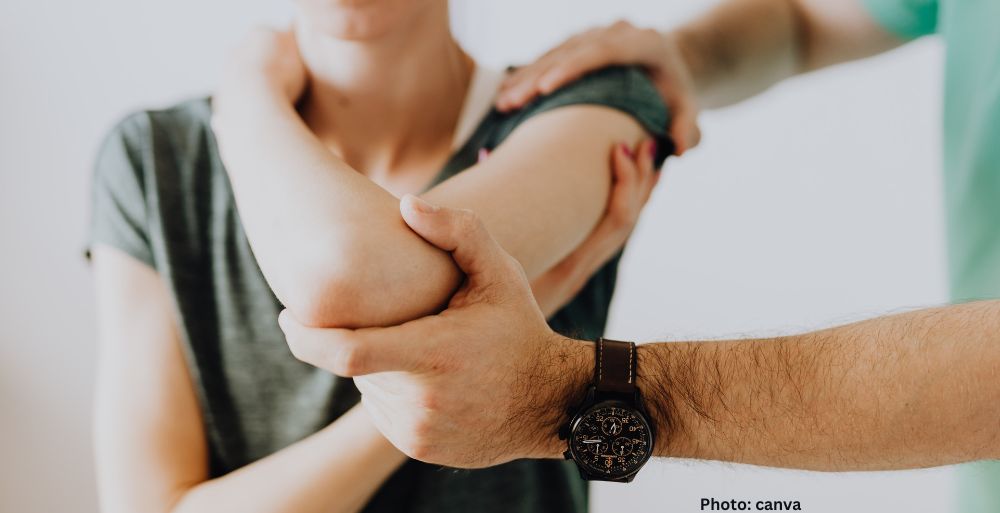
Controlled Articular Rotations (CARs) are emerging as a valuable practice for enhancing joint health, particularly when integrated into yoga routines. These movements offer accessible methods to improve body awareness and maintain joint mobility.
In recent years, health professionals have increasingly emphasized the importance of joint health in maintaining overall physical well-being. A common recommendation that arises in discussions about physical fitness is to engage in practices that promote joint mobility and awareness. One such practice gaining traction is Controlled Articular Rotations (CARs), which physical therapists advocate as an effective means of caring for joints.
CARs involve moving each joint slowly and deliberately through its full range of motion while minimizing movement in other parts of the body. This approach not only fosters better understanding of one’s body but also enhances joint function. Jen Hosler, a physical therapist and mobility specialist trained in the Functional Range Systems (FRS) framework, describes CARs as “a really low-hanging fruit for a lot of people because they’re highly accessible.” She underscores the importance of body literacy, stating, “Everybody tells us to ‘just listen to your body,’ and that advice is good, but nobody teaches you how to actually do it.”
The Role of Joint Health
The joints in our bodies serve as critical connection points between bones, allowing for a range of movements such as bending, twisting, and rotating. As individuals age, joints naturally become stiffer, making regular maintenance essential. Engaging in daily CARs can be seen as a form of “joint hygiene,” helping to preserve mobility and resilience. Furthermore, regular practice can assist individuals in establishing a baseline for how their joints typically feel and function, making it easier to identify any changes or issues that may arise over time.
One of the physiological benefits of CARs is the stimulation of synovial fluid circulation, which is vital for joint health. Synovial fluid lubricates the joints, facilitating smooth movement and supplying nutrients essential for joint maintenance. By incorporating CARs into a daily routine, individuals may enhance their overall joint function and longevity.
Understanding the Levels of CARs
Hosler outlines three levels of CARs that practitioners can utilize based on their specific needs:
- Level One: This is an “unchallenged” CAR where movements are performed freely, such as making wrist circles in the air. This basic form is suitable for daily practice to maintain mobility.
- Level Two: This level incorporates “blocking,” using props such as yoga blocks or foam rollers to immobilize other joints. By limiting compensation, practitioners can focus on stretching and improving the targeted joint’s range of motion.
- Level Three: This level introduces resistance, such as light weights, which can be beneficial for individuals who are hyper-mobile and need to develop greater control over their movements.
It is important to note that the objective of CARs is not necessarily to increase range of motion but rather to maintain and develop a deeper understanding of the existing range.
Incorporating CARs into Yoga Practice
For those who practice yoga, integrating CARs into existing routines can enhance the benefits of the practice. Hosler highlights several methods to seamlessly incorporate CARs into yoga:
- Shoulder Circles in Child’s Pose: This pose limits compensation from the thoracic spine, allowing for isolated shoulder movement. Practitioners can perform shoulder CARs by lifting one arm off the mat while stabilizing the back with the opposite hand.
- Hip Circle in Tabletop Pose: This familiar pose can be adapted to include hip circles, enhancing mobility while grounding the body through the hands and maintaining alignment.
- Wrist Circles in High Lunge: By incorporating wrist circles into High Lunge, individuals can warm up their wrists, which is particularly useful for those who practice handstands or arm balances.
- Ankle Circles in Half Split: Actively rotating the ankles while in Half Split can help practitioners explore additional ranges of motion that are often overlooked.
- Knee CARs in Heron Pose: A modified version of Heron Pose allows for exploration of internal and external tibial rotation, promoting knee health.
When performing CARs, it is common to experience painless clicking or popping in the joints, especially for newcomers. Hosler advises individuals to make their circles smaller if they experience discomfort and to seek professional guidance if pain or instability arises.
Conclusion
As the focus on joint health continues to grow, practices like Controlled Articular Rotations are becoming integral components of physical wellness strategies. These movements not only enhance body awareness but also promote joint mobility, making them a valuable addition to fitness routines, particularly in yoga. By understanding and implementing CARs, individuals can take proactive steps toward maintaining their joint health and overall physical well-being.

No Comment! Be the first one.