




Recent studies indicate that hibiscus tea, along with green and black teas, may assist in managing high blood pressure, but these should not replace prescribed medical treatments.
Current research highlights hibiscus tea as the most effective herbal option for managing high blood pressure, followed closely by green tea and black tea. These teas have garnered attention for their potential health benefits, particularly in supporting cardiovascular function and blood vessel health. However, experts emphasize that these beverages should complement a comprehensive lifestyle approach rather than serve as substitutes for medical treatment.
Evidence Supporting Tea for Blood Pressure Management
Studies have consistently favored hibiscus tea for its blood pressure-lowering properties. Meta-analyses reveal that regular consumption of hibiscus tea can lead to modest reductions in both systolic and diastolic blood pressure readings, especially in individuals with mild to moderate hypertension. The primary active compounds in hibiscus, such as anthocyanins, have been linked to these beneficial effects.
In contrast, green tea is recognized for its high levels of catechins, which are antioxidants that support blood vessel function. Black tea, containing theaflavins and thearubigins, has also shown modest cardiovascular benefits. A meta-analysis on black tea indicates that consistent consumption may result in small yet statistically significant decreases in blood pressure.
Dietary Considerations and Lifestyle Integration
While these teas can contribute positively to blood pressure management, they should be integrated into a broader framework of healthy lifestyle choices. Regular blood pressure monitoring, reduced sodium intake, physical activity, adequate sleep, and adherence to prescribed medications are critical components of effective hypertension management.
It is important to note that the observed benefits of tea consumption are typically small and should be viewed as part of an overall dietary strategy. Individuals who drink tea regularly and maintain a balanced diet may experience more meaningful improvements in their blood pressure readings.
Hibiscus Tea: The Evidence Leader
Among herbal options, hibiscus tea stands out due to the volume of clinical evidence supporting its efficacy in lowering blood pressure. Several systematic reviews have confirmed significant associations between hibiscus intake and reductions in systolic and diastolic pressures. Experts recommend hibiscus tea, particularly for those targeting blood pressure support, although it is essential to recognize that effects may be modest.
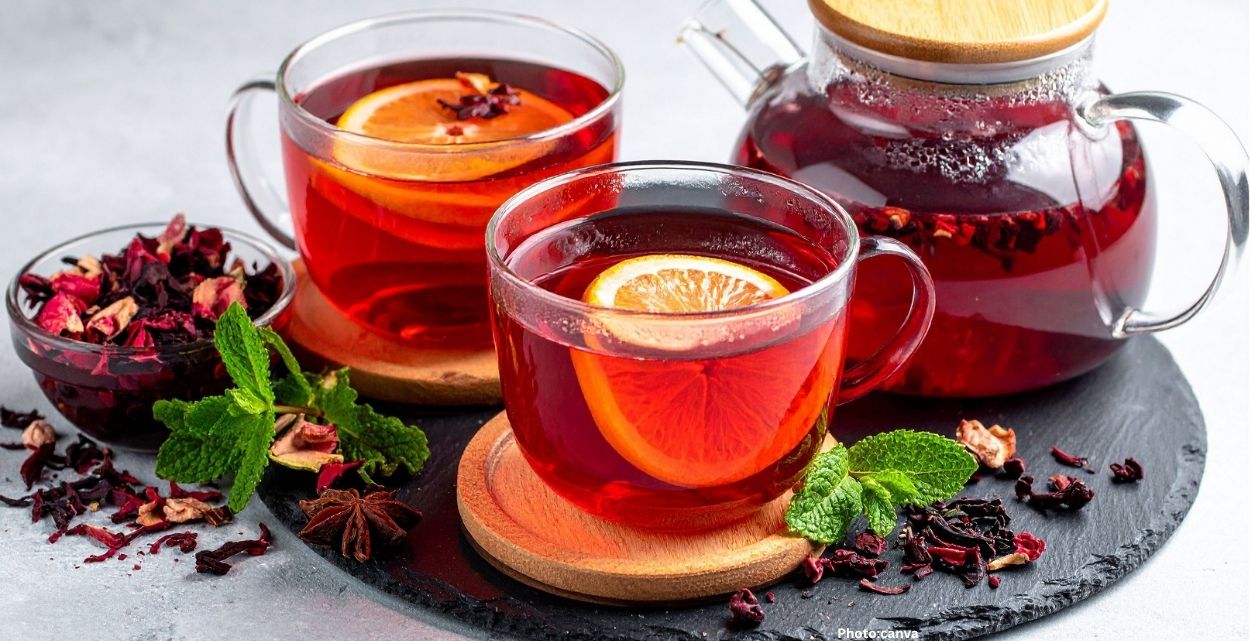
Hibiscus tea, derived from the calyces of the Hibiscus sabdariffa plant, is caffeine-free and known for its tart flavor, often enjoyed hot or iced. However, individuals taking antihypertensive medications or those with existing health conditions should consult healthcare professionals before incorporating hibiscus tea into their daily routines, as it may interact with certain medications.
Black Tea’s Role in Blood Pressure Management
Black tea, while not as robustly supported as hibiscus, can still contribute to blood pressure reduction when consumed consistently. Research indicates that regular black tea consumption is associated with small reductions in blood pressure, although these effects are not substantial enough to serve as a standalone treatment for hypertension.
It is crucial for consumers to prepare black tea without excessive sweeteners or high-sodium foods, as these can negate its potential health benefits. Furthermore, individual responses to caffeine vary, and those with severe hypertension should monitor their caffeine intake closely.
Preparing Tea for Optimal Benefits
To maximize the health benefits of black tea, experts recommend brewing it without added sugars or cream. Drinking black tea alongside high-sodium foods or consuming it late in the day could disrupt sleep patterns and impact blood pressure negatively. Therefore, establishing a consistent, health-conscious tea-drinking routine is advisable.
Herbal Tea Options and Recommendations
While hibiscus tea is the most strongly supported option for blood pressure management, other herbal teas such as chamomile and rooibos may offer indirect benefits by promoting relaxation and overall wellness. Chamomile, for instance, may improve sleep quality, which is essential for managing blood pressure.
Individuals should aim to consume 1 to 3 cups of green or black tea per day and 1 to 2 cups of hibiscus tea, adjusting for personal health factors and tolerances. The incorporation of unsweetened or lightly sweetened tea into daily habits is encouraged to maintain potential health benefits.
Caffeine Considerations
Caffeine consumption can lead to temporary spikes in blood pressure, particularly in those unaccustomed to it. However, habitual tea drinkers typically develop a tolerance, making moderate tea consumption generally safe for blood pressure levels. Those with severe hypertension or irregular heart rhythms should consult their healthcare providers regarding caffeine intake.
Conclusion
The selection of teas for managing high blood pressure should be based on scientific evidence, individual safety, and personal enjoyment. Replacing sugary beverages with unsweetened tea and establishing it as a daily habit can be a practical approach to supporting blood pressure management. Ultimately, these teas should complement, not replace, prescribed medical treatments and professional medical advice.





No Comment! Be the first one.