





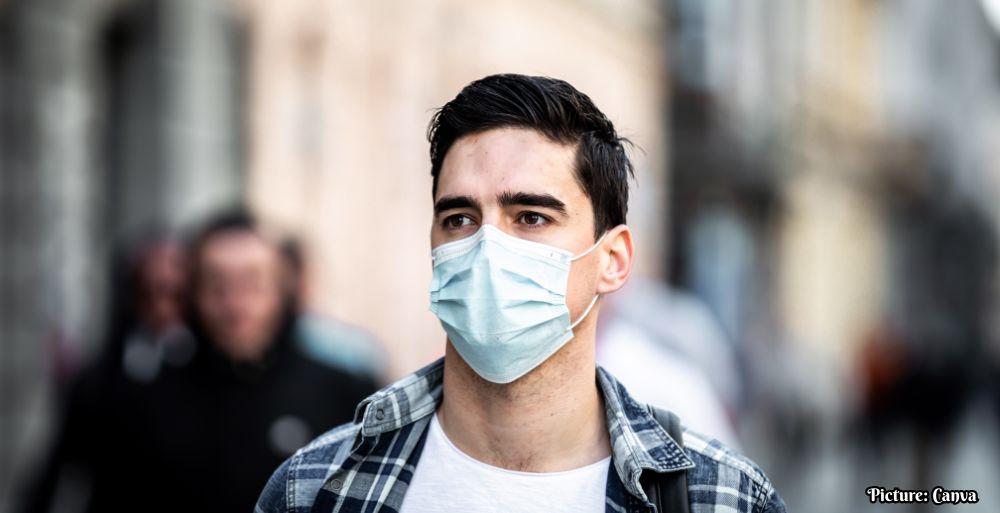
The Global Council on Inequality, AIDS and Pandemics has published research indicating that economic inequality is a primary determinant of how effectively countries handle pandemics, challenging traditional metrics of preparedness.
A new study published in the New England Journal of Medicine has brought to light the significant role that economic inequality plays in determining how nations respond to pandemics. The research, which will be presented at an AIDS conference in Brazil, calls for a fundamental reassessment of pandemic preparedness strategies globally.
Co-authored by Nobel laureate Joseph Stiglitz, the study posits that for decades, pandemic readiness has been evaluated based on the presence of medical infrastructure, such as laboratories and stockpiles of medical supplies. Stiglitz noted, “For decades the world judged how ready a country is for a pandemic by counting its laboratories, stockpiles and response plans. This research shows that this is not enough. High economic inequality can leave even wealthy, well-equipped nations dangerously exposed.”
The findings challenge the notion that countries deemed highly prepared, such as the United States and the United Kingdom, were able to effectively manage the COVID-19 pandemic. Both nations recorded significantly higher cases and mortality rates than the global average, raising questions about the efficacy of their pandemic preparedness strategies.
Contrasting Outcomes Based on Inequality
Interestingly, countries that were identified as less prepared but had lower levels of economic inequality—such as Vietnam, Mauritius, Ethiopia, Uruguay, and Norway—fared significantly better during the pandemic. This suggests that underlying social structures might be more influential in pandemic outcomes than previously acknowledged.
Lead author Matthew Kavanagh of Georgetown University emphasized the correlation between economic inequality and pandemic severity, stating, “The deeper the inequality in the country is, the deeper that pandemic is going to be.” He clarified that the goal is not to achieve an unrealistic standard of equality but to reach levels akin to those of more equitable societies, such as South Korea.
Stiglitz further added that the good news is that economic inequality is not an inescapable condition; rather, it results from specific policy choices. “We know how to change them,” he affirmed, highlighting the need for a shift in government approaches toward pandemic preparedness.
Recommendations for Policy Changes
The research advocates for what the authors term “inequality-informed pandemic preparedness.” This framework includes the implementation of social protections such as paid sick leave and unemployment support, which can provide essential financial stability during crises. Kavanagh explained that such measures would allow individuals to stay home without the burden of financial distress, thereby reducing the spread of disease.
Furthermore, the researchers emphasized the necessity for low-income countries to receive debt relief in the wake of a pandemic declaration. Access to life-saving technologies must also be equitable, ensuring that innovations are available to all nations, particularly during health emergencies.
Global Vaccine Distribution Issues
The COVID-19 pandemic highlighted significant disparities in vaccine distribution, as wealthier nations secured the majority of initial doses, leaving developing countries with limited access. This troubling trend has sparked discussions about how future therapeutics will be shared, a topic that is currently a major point of contention in negotiations for a global pandemic treaty.
Protests at the ongoing AIDS conference in Rio have underscored the demand for increased access to essential medications, particularly in Latin America, where rates of HIV are on the rise. Activists are calling for the availability of generic versions of new HIV drugs, such as lenacapavir, to combat this public health challenge.
The research advocates for a departure from traditional patent systems in favor of reward structures that incentivize innovation while allowing wide-scale production of essential medicines and vaccines. Kavanagh warned that allowing pharmaceutical companies to dictate access to crucial medical resources poses a risk of perpetuating global health crises.
Expert Opinions and Critiques
While the study has garnered attention for its insights, some experts urge caution. Raina MacIntyre, a professor of global biosecurity at the University of New South Wales, acknowledged that the study raises important points but also noted that it makes assumptions not fully supported by quantitative methods such as modeling or risk analysis. MacIntyre highlighted her own research findings, which suggest that factors like universal healthcare, strong national leadership, and cultural considerations also play critical roles in pandemic responses.
The findings from this study may serve as a catalyst for future policy discussions and reforms surrounding global health preparedness. By prioritizing economic equity, nations may be better equipped to handle future pandemics, potentially saving lives and resources in the process.





No Comment! Be the first one.