



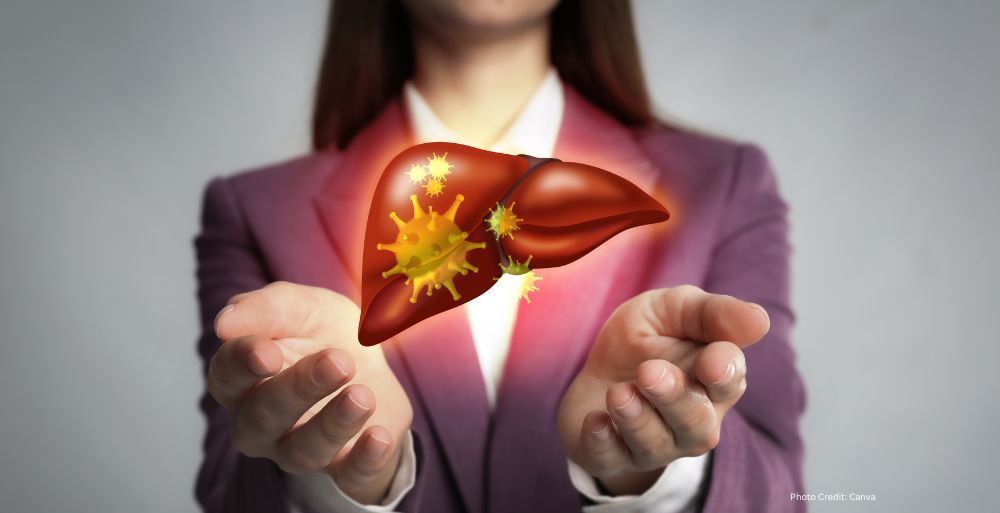
Over-the-counter (OTC) medications, while widely used for pain relief and symptom management, can pose significant risks to liver health when misused or taken in excess. Understanding these risks is crucial for safe medication practices.
Over-the-counter (OTC) medications are a staple in many households, utilized for their convenience in treating pain, cold symptoms, and various other ailments. However, a growing body of research indicates that certain OTC drugs can have harmful effects on liver health, particularly when taken in high doses or over extended periods. Notable examples include acetaminophen, nonsteroidal anti-inflammatory drugs (NSAIDs) like ibuprofen and naproxen, as well as some herbal supplements, all of which may lead to liver toxicity, inflammation, or even liver failure if consumed improperly.
Acetaminophen: A Common Yet Potentially Harmful Pain Reliever
Acetaminophen, commonly known by the brand name Tylenol, is one of the most widely used pain relievers in the United States. It effectively alleviates pain and reduces fever, making it a go-to option for many. However, health experts warn that taking excessive amounts can overwhelm the liver’s ability to metabolize the drug, resulting in toxic buildup. Symptoms of acetaminophen-related liver damage can include fatigue, nausea, vomiting, and jaundice, which is characterized by a yellowing of the skin and eyes.
The U.S. Food and Drug Administration (FDA) advises adults to adhere to a maximum daily dosage of 4,000 milligrams. Yet, acetaminophen is present in numerous combination medications for colds and flu, such as DayQuil, NyQuil, and various formulations of Mucinex. This ubiquity increases the risk of unintentional overdose, especially for individuals using multiple medications simultaneously. Patients are encouraged to read labels carefully and consult with healthcare providers or pharmacists when uncertain about acetaminophen content in their medications.
Nonsteroidal Anti-Inflammatory Drugs (NSAIDs): Ibuprofen and Naproxen
Ibuprofen, marketed under names such as Advil and Motrin, along with naproxen, known as Aleve and other brand variants, are popular NSAIDs that provide relief from pain and inflammation. While generally safe when used as directed, long-term use or excessive dosages can lead to liver damage. At recommended doses, the liver typically metabolizes these medications without issue. However, high doses can disrupt this process, resulting in liver toxicity.
Symptoms associated with liver damage from NSAIDs include fatigue, nausea, and jaundice, which are similar to those seen with acetaminophen overdose. The FDA cautions against excessive use of these drugs, particularly in individuals with pre-existing liver conditions. Patients experiencing any adverse symptoms while taking these medications should seek medical attention promptly.
The Role of Aspirin
Aspirin, another widely utilized medication for pain relief and inflammation reduction, also carries risks for liver health. While low doses are generally safe, high doses or prolonged usage can result in liver toxicity, particularly in individuals with liver conditions such as fatty liver disease. Symptoms indicative of liver damage from aspirin include nausea, vomiting, and jaundice. As with other medications, adhering to recommended dosages is crucial, and those with liver issues should consult healthcare providers regarding the safe use of aspirin.
Decongestants and Their Implications for Liver Health
Pseudoephedrine, a common ingredient in decongestants such as Sudafed, poses additional risks, particularly for individuals with advanced liver disease. Impaired liver function can lead to elevated levels of pseudoephedrine in the bloodstream, increasing the risk of toxicity. Some formulations of decongestants may also contain acetaminophen, compounding the risk of liver damage. Symptoms of worsening liver health associated with pseudoephedrine use can include nausea, vomiting, and jaundice. Individuals with liver disease should consult healthcare providers before using medications containing pseudoephedrine or any other OTC medications.
Herbal Supplements: An Overlooked Risk
In addition to traditional medications, certain herbal supplements can adversely affect liver health. Substances such as kava, green tea extract, comfrey, and black cohosh have been linked to liver damage. Unlike medications, supplements are not strictly regulated by government agencies, leading to uncertainty regarding their safety and efficacy. Overuse of supplements or combining multiple products can overwhelm liver function, resulting in toxicity.
Given these potential risks, healthcare providers recommend that individuals consult a medical professional before starting any new supplement, particularly those with existing liver conditions or those taking other medications. By understanding the risks associated with OTC medications and supplements, patients can make informed decisions regarding their health and avoid potentially severe complications.
Conclusion: Caution is Key
As OTC medications are an integral part of self-care for many, awareness of their potential risks is essential. Patients are encouraged to educate themselves about the medications they consume, adhere to recommended dosages, and consult healthcare providers when in doubt. By taking these precautions, individuals can better protect their liver health and ensure that their use of OTC medications remains safe and effective.


No Comment! Be the first one.