



Strength Training for Seniors: Four Essential Dumbbell Exercises to Rebuild Strength After 65

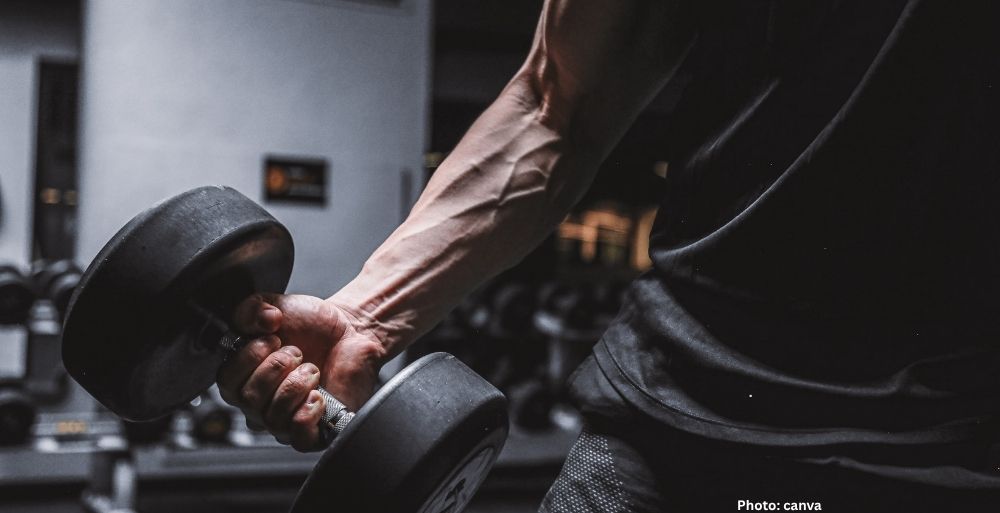
Approximately 25% of adults aged 65 and older engage in little to no physical activity, according to the CDC. However, a straightforward regimen of resistance training, including dumbbell exercises, can significantly aid in rebuilding strength and maintaining functional independence.
The importance of physical activity for older adults cannot be overstated. A report from the Centers for Disease Control and Prevention (CDC) indicates that approximately one in four adults aged 65 and older do not engage in any physical activity beyond their daily routines. This lack of exercise can stem from various factors, including injuries, busy lives, health setbacks, or a general loss of motivation. Despite these challenges, research emphasizes the necessity of strength training for older populations, highlighting its role in preserving muscle mass, protecting bone density, and maintaining the functional strength essential for daily tasks such as carrying groceries, climbing stairs, and getting up from a chair.
Among the simplest and most effective tools for rebuilding strength are dumbbells. Amanda Capritto, a certified personal trainer with Garage Gym Reviews, notes that following an extended period away from exercise, the focus should be on reestablishing movement patterns and safely reintroducing load to the muscles. “The goal isn’t to push hard; it’s to rebuild movement patterns and remind your muscles how to work under load,” Capritto states. She recommends a series of four dumbbell exercises tailored for older adults, particularly those who may be new to working out or recovering from health issues.
Understanding the Importance of Resistance Training
Research consistently shows that resistance training is beneficial for older adults. According to a study published in the Journal of the American Geriatrics Society, engaging in regular strength training can lead to improved muscle mass and functional mobility, which are critical for maintaining independence as one ages. Furthermore, resistance exercises can enhance balance and coordination, reducing the risk of falls—a significant concern for the elderly population. As Capritto explains, the focus should be on gradual progression rather than intensity, making dumbbell exercises an ideal starting point.
Goblet Squat
The goblet squat is a fundamental movement that mimics the action of standing up from a seated position, such as a chair or a toilet. This exercise not only promotes strength but also encourages proper posture, which can alleviate pressure on the lower back. To perform this exercise, an individual should:
- Hold one dumbbell close to the chest with both hands.
- Stand with feet shoulder-width apart.
- Push the hips back and bend the knees, lowering into a squat.
- Keep the chest upright and core engaged.
- Press through the feet to return to a standing position.
Capritto suggests completing two to three sets of 8 to 10 repetitions, with a rest period of 60 to 90 seconds between sets.
Seated Shoulder Press
The seated shoulder press targets the shoulders, upper back, and triceps, facilitating movements necessary for daily activities such as reaching for items on a shelf or putting on a jacket. To execute the seated shoulder press:
- Sit upright in a sturdy chair, holding a dumbbell in each hand at shoulder height.
- Ensure feet are flat on the floor and core is engaged.
- Press the weights overhead without shrugging the shoulders, pausing briefly at the top.
- Lower the weights back to shoulder height slowly.
Aim for two to three sets of 8 to 10 repetitions, using a manageable weight to ensure proper form, and rest for 60 to 90 seconds between sets.
Dumbbell Chest Press
The dumbbell chest press is essential for building upper body strength, which is crucial for activities such as pushing open doors or getting up from the floor. To perform the chest press:
- Lie on a bench or the floor with a dumbbell in each hand.
- Keep feet flat on the ground and the lower back in a neutral position.
- Start with the weights near the chest, elbows bent.
- Press the weights straight up until the arms are fully extended.
- Lower them back down with control.
Capritto recommends two to three sets of 8 to 12 repetitions, with a rest of 60 to 90 seconds between sets.
Farmer’s Carry
The farmer’s carry is a functional exercise that enhances core stability, grip strength, and overall balance—critical aspects of fall prevention as individuals age. To perform the farmer’s carry:
- Hold a dumbbell in each hand at your sides.
- Stand tall with relaxed shoulders and a braced core.
- Walk steadily while keeping a neutral posture.
- Aim for 20 to 30 seconds of walking, repeating for two to three rounds as needed.
Engaging in these exercises not only helps improve strength but also supports overall health and longevity. As always, individuals should consult their healthcare provider before embarking on any new fitness regimen, particularly if they are managing existing health conditions.
Conclusion: Enhancing Quality of Life Through Strength Training
For older adults, incorporating simple yet effective strength training into their routine can dramatically enhance their quality of life, enabling them to perform daily activities with greater ease and confidence. By recognizing the importance of strength training and engaging in accessible exercises like those recommended by Capritto, seniors can work towards maintaining their independence and improving their overall health outcomes.
As the demographic of older adults continues to grow, promoting physical activity through strength training will be critical in addressing public health concerns related to aging. Encouraging participation in resistance training can not only improve individual health but also reduce healthcare costs associated with falls, frailty, and other age-related conditions.



No Comment! Be the first one.