





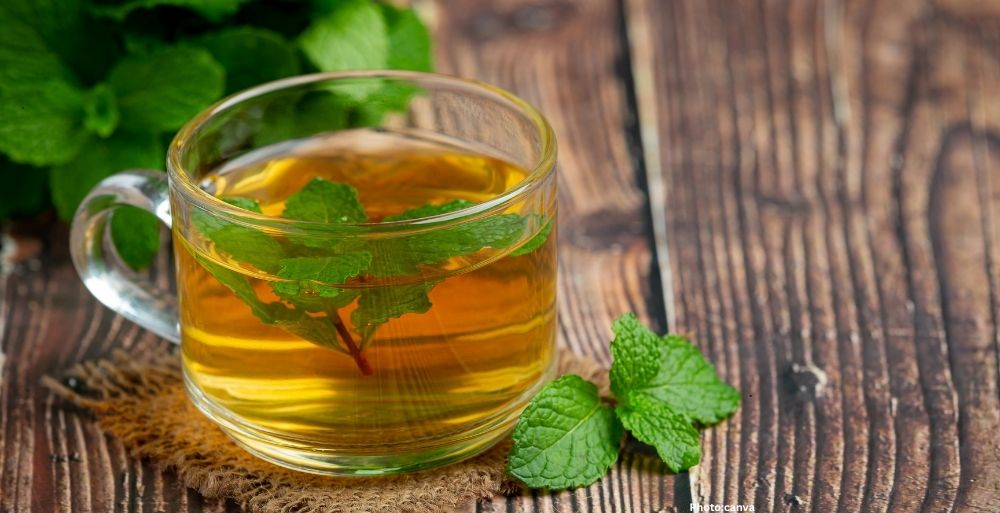
Dietitians recommend peppermint tea as a natural remedy for easing bloating, nausea, and digestive discomfort after meals due to its muscle-relaxing properties and calming effects.
Peppermint tea is gaining attention as a natural remedy for digestive discomfort following meals, with dietitians endorsing its efficacy in alleviating common symptoms such as bloating, nausea, and cramping. This warm, caffeine-free beverage is celebrated not only for its soothing qualities but also for its ability to support the digestive system’s functions.
Understanding the Digestive Benefits of Peppermint Tea
One of the primary reasons peppermint tea is recommended for digestive health is its active compound, menthol. According to Gabrielle Kishner, M.S., RD, CDN, menthol acts as a smooth muscle relaxant, which can significantly reduce cramping and pain in the gastrointestinal (GI) tract. After consuming food, the muscles in the GI tract contract to facilitate digestion. However, if these contractions are excessively strong or poorly coordinated, they can lead to discomfort and a sensation of fullness. Peppermint works by blocking calcium channels in the muscles of the digestive tract, allowing them to relax and preventing spasms.
Kerry Conlon, M.S., RDN, CPT, elaborates on this mechanism, stating that the relaxation of digestive muscles enables gas produced during digestion to pass more efficiently, thereby reducing bloating and cramping. The calming effects of peppermint tea can facilitate smoother digestion, making it an appealing choice for individuals who experience discomfort after meals.
Alleviating Nausea with Peppermint
Another noteworthy benefit of peppermint tea is its potential to alleviate nausea. Avery Zenker, RD, points out that peppermint tea may possess antiemetic properties, which can help mitigate feelings of nausea and prevent vomiting. While much of the research on peppermint’s effects has primarily focused on peppermint oil, particularly through inhalation, the therapeutic properties of peppermint tea are likely to be beneficial as well. The act of sipping the tea and inhaling its aroma may work synergistically to reduce nausea, providing a gentle and effective remedy for those who struggle with post-meal discomfort.
The Role of Relaxation in Digestion
Digestion is not solely influenced by dietary choices; it is also significantly affected by one’s psychological state. Stress and anxiety can disrupt the gut-brain axis, leading to increased gut sensitivity and digestive issues. Research indicates that when the body is in a heightened state of stress, often referred to as ‘fight or flight,’ digestion can become impaired. In contrast, consumption of peppermint tea may encourage the body to transition into a ‘rest and digest’ state, promoting relaxation and improved digestive function.
Zenker notes that the process of preparing and drinking peppermint tea can itself be a mindful practice, allowing individuals to slow down and engage in a calming ritual that may further enhance digestive health. Mindfulness techniques have been shown to alleviate stress-related digestive symptoms, underlining the importance of a holistic approach to digestion.
Choosing the Right Post-Meal Beverages
What individuals choose to drink after meals can greatly influence their digestive health. The following guidelines, recommended by experts, can assist in selecting beverages that promote optimal digestion:
- Opt for caffeine-free or low-caffeine options: Conlon advises limiting caffeine intake for those prone to digestive upset, as caffeine can stimulate peristalsis and may lead to diarrhea or cramping.
- Select soothing herbal teas: Teas such as peppermint, ginger, and chamomile are known for their digestive benefits and can help alleviate symptoms like bloating and discomfort.
- Avoid carbonated drinks: Carbonated beverages can increase stomach pressure, leading to feelings of fullness or triggering reflux symptoms.
- Moderate alcohol consumption: Alcohol can irritate the digestive tract and disrupt normal digestion, particularly when consumed shortly after meals.
- Prioritize water: Water is essential for healthy digestion and can aid in normal bowel movements.
- Be aware of personal triggers: Individuals should pay attention to how specific beverages affect their digestion and adjust their choices accordingly.
Conclusion: The Role of Peppermint Tea in Overall Digestive Health
In summary, peppermint tea emerges as a simple yet effective method to support digestion after meals. Its ability to relax the GI tract and alleviate common digestive symptoms positions it as a valuable addition to one’s dietary habits. However, experts emphasize that no single beverage can replace the importance of a balanced and varied diet, particularly one rich in plant-based and probiotic foods. While peppermint tea can contribute positively to digestive health, long-term wellness is achieved through consistent, well-rounded dietary practices.




No Comment! Be the first one.