





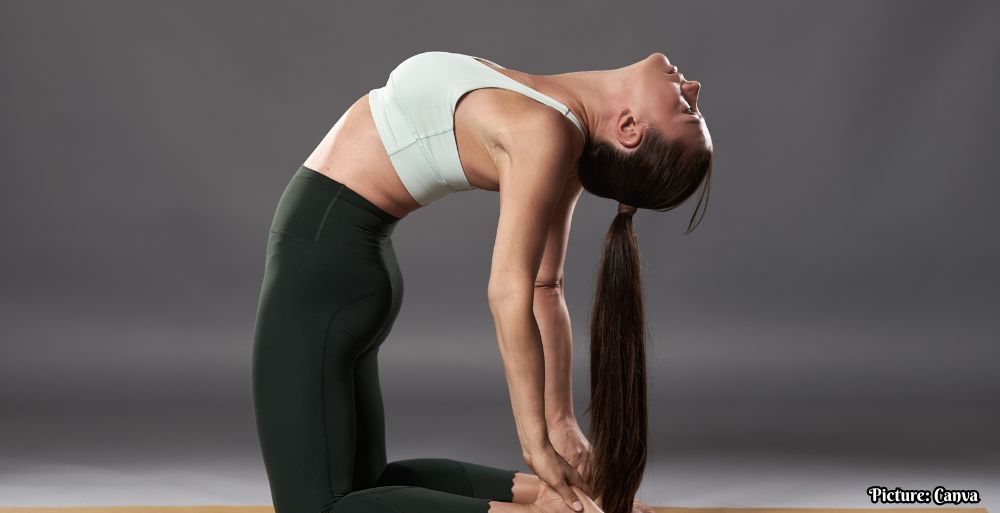
A new perspective on achieving balance in yoga encourages practitioners to embrace flexibility both on and off the mat, as illustrated through a series of yoga postures.
In a recent exploration of yoga practices, the concept of balance—both in physical postures and in life—was emphasized as a vital skill. Practitioners are encouraged to understand that the ability to sway and adjust is not only beneficial but necessary for maintaining stability. This philosophy aligns with the architectural design of skyscrapers, which are engineered to sway slightly in response to high winds. Such flexibility prevents structural damage, illustrating a key principle applicable to yoga and life.
The discussion, inspired by the author’s experiences in New York City, highlights how the perception of stability can sometimes be misleading. Many individuals, including the author, initially found the slight movement of tall buildings disconcerting, despite reassurances of their safety. This analogy serves to underline the importance of adaptability and the acceptance of minor deviations from the ideal as a means of achieving true balance.
Understanding Balance Through Yoga
In yoga, the notion of embracing the “wobble” is central to achieving balance in postures. This approach is not only relevant to yoga but can be translated into various life situations where adaptability is crucial. For example, during transitions between standing poses, practitioners can physically experience the balance between being grounded and adapting to change.
As practitioners engage in different yoga poses, they are encouraged to explore the concept of steadfast flexibility through specific movements. This includes the use of micromovements, which allow individuals to maintain stability while still accommodating slight shifts in position. For instance, maintaining a steady breath rhythm while performing postures aids in enhancing physical steadiness.
Four Key Yoga Poses for Steadiness
The following four yoga postures are recommended for those looking to cultivate a sense of balance and flexibility:
1. Warrior 2 to Extended Side Angle
To perform this pose, begin in Warrior 2 (Virabhadrasana II) with the right foot forward. With hands on hips, ensure that your hips and chest face the long side of the mat. As you breathe slowly, extend your arms outwards. Transition into Extended Side Angle (Utthita Parsvakonasana) by leaning toward the front of the mat and pressing your right forearm against your right thigh. Reach your left arm overhead, spiraling your chest upward with each inhalation. This movement emphasizes the importance of pressing down through the outer edge of the back foot, creating a balance between grounding and upward extension.
2. Warrior 2 to Reverse Warrior
This pose begins similarly in Warrior 2. As you exhale, lower your left hand to your left thigh while raising your right arm overhead in Reverse Warrior (Viparita Virabhadrasana). Maintain your alignment by keeping your hips and chest directed toward the long side of the mat. This sequence helps practitioners focus on balancing pressure between the two edges of their feet, fostering a sense of equilibrium.
3. Standing Forward Bend
In this pose, begin with feet together or slightly apart, pressing into the outer edges of your feet. As you fold forward, allow for a slight bend in your knees. This posture encourages exploration of flexibility, as practitioners can shift their weight from one foot to another while maintaining a stable foundation. Attention should be given to where tension is felt, allowing breath to alleviate discomfort in various areas.
4. Mountain Pose to Tree Pose
Start in Mountain Pose with feet together and a slight bend in the knees. As you lift one foot to the opposite ankle, shin, or thigh in Tree Pose, it is essential to exert equal pressure between the standing leg and the lifted foot. This balance is crucial for maintaining stability and can be enhanced by focusing on micromovements as adjustments are made in the hips. Practitioners are also encouraged to explore arm movements that mimic the swaying of trees, reinforcing the idea of flexibility within steadiness.
Lisette Cheresson, a writer and yoga teacher specializing in yoga for seniors, emphasizes that the practice of yoga offers much more than physical exercise; it provides valuable lessons in adaptability and balance that can be applied to everyday life. As individuals continue to practice these principles, they may find that embracing flexibility leads to a more resilient and balanced existence both on and off the mat.





No Comment! Be the first one.