





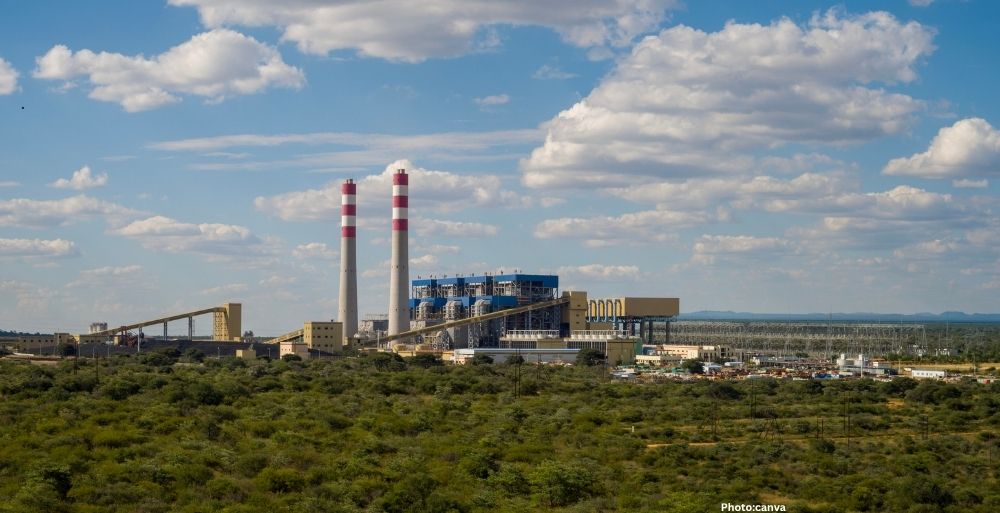
Colombia, in collaboration with the Netherlands and over 50 countries, will host a significant global conference in April aimed at initiating the transition away from fossil fuels amidst rising energy costs and geopolitical tensions.
Santa Marta, Colombia – On April 28 and 29, Colombia will host a pivotal conference aimed at addressing the global reliance on fossil fuels, marking a significant moment in climate diplomacy. This initiative, co-convened with the Netherlands and supported by more than 50 countries, comes in response to frustrations with the stalemates that have characterized annual UN climate summits, where discussions around fossil fuels have often been sidelined.
The backdrop for this conference is a dramatic surge in global energy prices, exacerbated by geopolitical tensions, particularly the ongoing conflict involving Iran. Colombia, known as the largest coal and fourth largest oil exporter in the Americas, is uniquely positioned to lead this conversation, having been directly impacted by the challenges of fossil fuel dependency.
Rising Stakes of Fossil Fuel Dependency
Irene Vélez Torres, Colombia’s Minister of Environment and Sustainable Development, emphasized the urgency of this conference, stating, “We, of course, didn’t know that war was going to break out, but we knew the challenges of a dependency on fossil fuels. This conference comes at the best possible moment.” The ongoing oil crisis, triggered by the US-Israeli attack on Iran, has intensified scrutiny on the reliance on traditional energy sources, prompting countries to reconsider their energy strategies.
According to the Centre for Research on Energy and Clean Air, global power generation from coal and gas has seen a decline, with renewable energy sources experiencing a surge. For instance, solar power generation has increased by 14% and wind energy by 8% over recent periods. This shift signals a potential turning point in global energy consumption patterns, compelling nations to reevaluate their energy portfolios.
A Coalition for Change
The Santa Marta conference aims to create a “coalition of the willing,” a gathering of nations committed to advancing the energy transition without being hindered by those resistant to change. Vélez indicated that 54 countries have confirmed their attendance, representing approximately one-fifth of global fossil fuel production and one-third of demand. Notable participants include the European Union, Canada, and several developing nations, many of which are among those most vulnerable to climate change impacts.
However, significant global players such as the United States, China, India, Russia, and major Gulf states will not attend the event. Vélez pointed out, “Whatever nations have not yet taken that decision, then this is not the space for them. We are not going to have boycotters or climate denialists at the table.” This decision underscores a growing divide in international climate policy, distinguishing proactive nations from those hesitant to embrace change.
Complementing Existing Frameworks
The conference is set to complement existing structures like the UN Framework Convention on Climate Change (UNFCCC), which has struggled with consensus on fossil fuel dependency. Tzeporah Berman, founder of the Fossil Fuel Non-Proliferation Treaty Initiative, remarked that the UN process has become deadlocked, and this initiative is designed to overcome that stalemate. “Year after year, we’ve seen this deadlock exploited to delay meaningful action on fossil fuel supply,” she stated.
Despite the agreement reached at the COP28 UN climate summit in Dubai in 2023 to transition away from fossil fuels, concrete steps towards this goal remain vague. Vélez highlighted the urgent need for action, citing the geopolitical instability and energy market volatility as drivers for immediate change.
Broader Implications and Future Directions
The implications of fossil fuel dependency extend beyond economic factors; Vélez argues that there is a direct correlation between fossil fuel economies and global conflict. “There is a straight line of connection between the fossil fuel economy and armed conflicts at the global scale,” she said, linking current crises to a larger narrative of energy insecurity.
Colombia has taken a decisive step by halting new licenses for coal, oil, or gas exploration, pivoting towards renewable energy, tourism, and agriculture. This strategic shift aims to foster a sustainable economy that prioritizes ecological health and community well-being. “We want to invite people to be on the right side of history,” Vélez added.
However, some participating nations, including Norway and Nigeria, plan to expand fossil fuel production amidst the current energy crises. Claudio Angelo from Brazil’s Observatório do Clima noted, “The risks of fossil fuel dependency have literally exploded in front of us,” warning that the climate crisis is slipping down the list of government priorities.
Financing the Transition
One of the critical discussions at the conference will involve financing mechanisms to assist developing nations in transitioning to renewable energy sources. Maina Talia from Tuvalu emphasized the need for financial pathways that prioritize people over oil reserves, advocating for technology transfer without incurring debt burdens.
Carola Mejia from the climate justice network Latindadd expressed concern over shifting government spending priorities due to military expenditures resulting from conflicts, noting a 21% decrease in international cooperation financing over the past year. “Santa Marta must be a milestone for a future based on peace and solidarity,” she insisted.
Engaging Marginalized Voices
The conference will also feature a “people’s summit” aimed at amplifying the voices of Indigenous peoples and marginalized communities, with over 2,800 representatives expected to attend. Oswaldo Muca Castizo, a leader in the Indigenous community, stressed the importance of equitable representation in discussions surrounding the energy transition. He remarked, “Many stress the energy transition must be fair to prevent their lands from being exploited for critical minerals or carbon credits.”
The Santa Marta conference is poised to set a precedent for future discussions on energy transition, with plans for a follow-up conference scheduled for next year in Tuvalu. The outcomes of this initial gathering, particularly the anticipated scientific reports and discussions on financial mechanisms, will be crucial in shaping the path forward for global energy policy.




No Comment! Be the first one.