




World Meteorological Organization Warns of Looming El Niño Effects Amid Global Climate Concerns

The World Meteorological Organization has issued a warning about an impending El Niño climate pattern, indicating an 80% likelihood of conditions developing this summer, with potential far-reaching impacts on global weather systems.
On June 2, 2026, the World Meteorological Organization (WMO), the weather agency of the United Nations, issued a critical alert regarding the imminent development of the El Niño climate phenomenon. The WMO has indicated an 80% probability that El Niño conditions will begin this summer, a situation that raises significant concerns about potential disruptions to weather patterns worldwide, including increased global temperatures and severe marine heat waves.
El Niño is characterized by warmer-than-average sea surface temperatures in the central and eastern tropical Pacific Ocean and is known for its profound impact on global weather systems. The WMO’s forecasts suggest a persistent likelihood of El Niño conditions continuing through November, with estimations of probabilities near or exceeding 90%. This raises alarms about the potential for exacerbated climate challenges, including intensified heat and altered precipitation patterns.
Understanding the Implications of El Niño
The implications of El Niño are wide-ranging and can significantly affect weather across the globe. Historical data indicates that El Niño events are typically associated with increased rainfall in southern South America, the southern United States, the Horn of Africa, and central Asia, while causing drought conditions in Australia, Indonesia, and parts of southern Asia. The current forecasts point to a significant El Niño event, driven by unusually warm ocean waters.
“The science is clear: El Niño is arriving on our doorstep in the coming months with 90% certainty,” stated United Nations Secretary-General António Guterres in a recent video statement. He emphasized the need for urgent global action, framing the situation as an “urgent climate warning” and highlighting that the impacts of El Niño are likely to be severe and far-reaching. Guterres elaborated that these impacts “will hit even harder, travel even farther, and cross borders with devastating speed.”
Potential for a Strong El Niño Event
Climate experts are particularly concerned about the prospect of a strong El Niño, with some scientists suggesting it could potentially qualify as a “Super” El Niño, a term not officially recognized by the WMO or the National Oceanic and Atmospheric Administration (NOAA). WMO Secretary-General Celeste Saulo emphasized the importance of preparedness, stating, “We need to prepare for a potentially strong El Niño event — which will exacerbate drought and heavy rainfall and increase the risk of heat waves both on land and in the ocean.”
Historical context provides insight into the significance of El Niño events. The last notable El Niño, which occurred between 2023 and 2024, was among the five strongest on record, contributing to unprecedented global temperature levels in 2024. Such cyclical climate patterns have been documented since the 1600s, when fishermen off the coast of South America first recognized the phenomenon associated with unusually warm water appearing around Christmas time.
Current Ocean Conditions and Future Predictions
Recent assessments indicate that sea surface temperatures in the El Niño region, particularly west of South America, have risen sharply. This increase is a critical indicator of the developing El Niño conditions. Climate scientist Daniel Swain from the University of California Agriculture and Natural Resources noted that the atmospheric and oceanic conditions are aligning with model forecasts, suggesting that a significant El Niño could develop by mid-summer. NOAA’s latest forecasts anticipate that El Niño might form as early as June or July, with further updates expected on June 11.
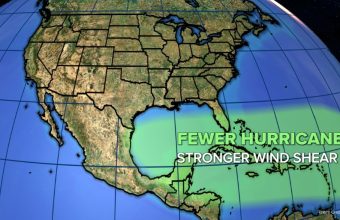
In addition to its direct weather implications, the formation of El Niño is projected to influence the upcoming Atlantic hurricane season, possibly resulting in a slightly below-normal season, while the Pacific hurricane season may experience heightened activity. These forecasts underscore the interconnectedness of global weather patterns and the need for preparedness against potential disasters.
The Broader Context of Climate Change
The WMO’s warning also highlights the broader context of climate change and its ongoing impacts. As the world grapples with the consequences of long-term warming, the interplay between El Niño and global climate patterns remains a critical area of scientific inquiry. The cyclical nature of El Niño events, coupled with the accelerating pace of climate change, poses increasing challenges for policymakers and communities worldwide.
As governments and organizations prepare for the potential impacts of this impending El Niño event, the WMO’s alert serves as a stark reminder of the urgency to address climate variability. Enhanced monitoring, preparedness, and adaptive strategies at local, national, and international levels are essential to mitigate the risks associated with this powerful climate phenomenon.





No Comment! Be the first one.