





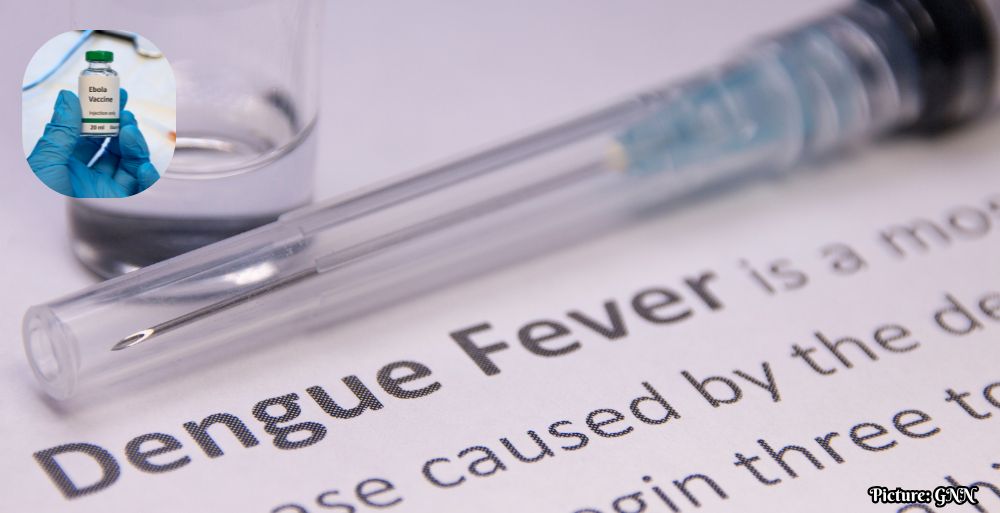
The Central Drugs Standard Control Organisation has authorized Takeda’s QDENGA, the first dengue vaccine approved in India, in response to a significant increase in dengue cases over the past two decades.
NEW DELHI: In a significant public health initiative, the Central Drugs Standard Control Organisation (CDSCO) of India has approved QDENGA (TAK-003), developed by the Japanese pharmaceutical company Takeda. This marks the first dengue vaccine authorized for use in India, targeting individuals aged 4 to 60 years. The approval, announced on July 20, 2026, comes as the country grapples with a dramatic rise in dengue fever cases, which have surged elevenfold in the last 20 years.
According to Takeda, India now accounts for nearly one-third of the global dengue burden, with over 113,000 reported cases in 2025. However, experts suggest that actual infection rates may be significantly higher than reported figures, indicating a pressing need for effective preventive measures.
Vaccine Overview and Administration
QDENGA is a tetravalent live-attenuated vaccine specifically designed to provide protection against all four serotypes of the dengue virus. It is administered in two subcutaneous doses spaced three months apart, eliminating the requirement for pre-vaccination testing or documentation of prior dengue exposure. This feature is particularly advantageous in high-burden regions, allowing for easier implementation of vaccination programs.
Dr. Mahender Nayak, Head of Intercontinental Markets at Takeda, stated, “Dengue is a growing public health challenge, and India needs sustained, evidence-based prevention. The latest seven-year data for QDENGA show continued protection against dengue infection and hospitalization across all four serotypes; an important milestone for communities and health systems.”
The World Health Organization (WHO) has recommended QDENGA for use in dengue-endemic areas and has granted the vaccine prequalification status, signaling its safety and efficacy based on extensive evaluation.
Clinical Trials and Efficacy Data
The approval of QDENGA is underpinned by a comprehensive global clinical development program that involved 19 Phase 1, 2, and 3 clinical trials with more than 28,000 participants. A pivotal Phase III trial, known as TIDES (DEN-301), included over 20,000 participants across eight countries and demonstrated an overall vaccine efficacy of 80.2% against virologically confirmed dengue 12 months after the second dose. The study also reported a remarkable 90.4% efficacy in preventing dengue-related hospitalizations at 18 months and sustained efficacy of 84.1% in preventing these hospitalizations after 4.5 years.
In India, a specific Phase III clinical trial involving individuals aged 4 to 60 years corroborated the vaccine’s safety, tolerability, and immunogenicity, facilitating its approval. Takeda has committed to collaborating with Indian regulatory authorities, public health stakeholders, and healthcare providers to ensure the effective rollout of QDENGA throughout the country.
Broader Implications for Public Health
The approval of QDENGA is not only a critical addition to India’s public health tools but also aligns with global efforts to combat dengue fever. The vaccine is already part of Brazil’s National Immunization Program and is accessible through public health initiatives in Argentina, Colombia, and Indonesia. This highlights the increasing international recognition of the vaccine’s potential to mitigate the risks associated with dengue fever, particularly in tropical and subtropical regions where the disease is endemic.
Peter Streibl, General Manager for Southeast Asia and India Cluster at Takeda, emphasized the collaborative nature of addressing dengue: “Dengue is a shared regional challenge that requires collaboration across borders and sectors.” His comments underscore the necessity for comprehensive strategies that integrate vaccination efforts with vector control, disease surveillance, and community engagement initiatives.
Future Directions and Public Awareness
As India prepares for the rollout of QDENGA, health authorities are focusing on ensuring equitable access and fostering public awareness regarding the crucial role of vaccination in reducing dengue’s impact. Dengue fever remains a significant health concern, particularly in densely populated urban areas where the Aedes mosquito, the primary vector for the virus, thrives.
Public health strategies in India will need to encompass not only the deployment of vaccines but also enhanced vector control measures, community education campaigns, and improved disease surveillance systems. These efforts are essential to build a robust defense against dengue and to empower communities to take proactive steps in their health management.
In conclusion, the approval of QDENGA represents a pivotal advancement in India’s ongoing battle against dengue fever, providing a scientifically validated means to prevent this debilitating disease. The focus will now turn to the successful implementation of vaccination programs and the integration of QDENGA into broader public health initiatives aimed at reducing the burden of dengue across the nation.






No Comment! Be the first one.