





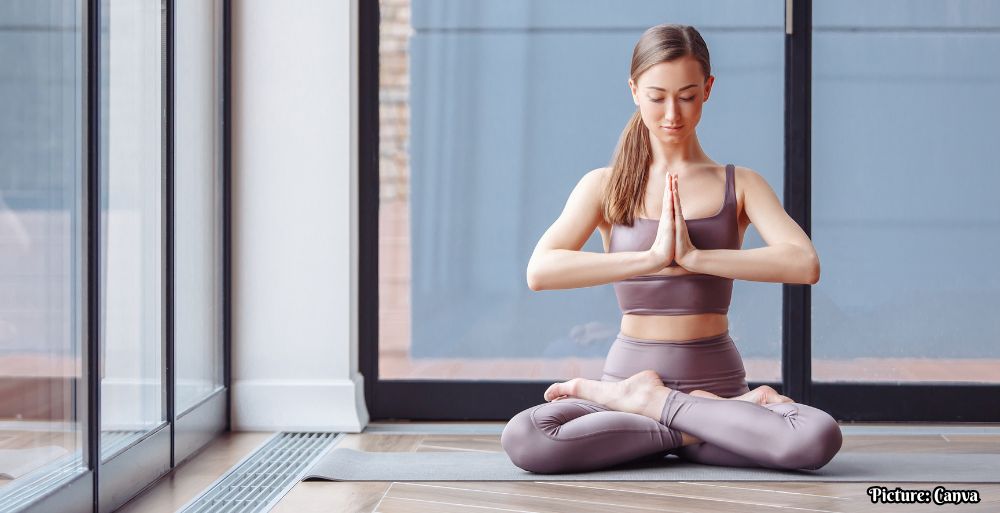
Practicing yoga provides individuals with effective tools to manage anxiety, utilizing physical postures and mindful breathing techniques to cultivate a greater sense of calm and presence in daily life.
Anxiety disorders affect millions of people worldwide, manifesting through symptoms such as rapid heart rates, physical tension, racing thoughts, and even panic attacks. In today’s fast-paced and often stressful environment, finding effective strategies to cope with these feelings is essential. While yoga is not a cure-all, it offers practices that can significantly help individuals navigate through anxious moments.
Yoga integrates physical postures (asanas), breath control (pranayama), and mindfulness, all of which contribute to reducing anxiety symptoms. Research has shown that regular yoga practice can decrease anxiety levels and improve overall mental well-being. A systematic review published in the journal Psychological Bulletin found that yoga can be an effective intervention for anxiety, highlighting its ability to enhance emotional regulation and decrease stress. This article explores five specific yoga poses that can provide immediate relief from anxiety.
1. Tree Pose (Vrksasana)
Tree Pose is an excellent entry point for those seeking focus amid chaotic thoughts. By standing on one foot and balancing, practitioners are encouraged to shift their attention away from racing thoughts and towards the present moment. This pose fosters both physical strength and mental resilience. The practice encourages individuals to fix their gaze on a still point straight ahead, grounding themselves through their standing foot. Importantly, wobbling is part of the process and should be embraced as a natural aspect of the practice, allowing for personal growth and acceptance of imperfection.
2. Downward-Facing Dog (Adho Mukha Svanasana)
Often considered a foundational pose in yoga, Downward-Facing Dog allows for moments of pause and reflection. This inversion not only provides a break in the sequence of movements but also stimulates the parasympathetic nervous system, which is responsible for relaxation. According to a study published in the journal Journal of Alternative and Complementary Medicine, participants who practiced Downward-Facing Dog reported reduced levels of stress and anxiety. By letting the head hang heavy and establishing a solid stance, practitioners can clear their minds and return to a state of calm. This pose can be revisited multiple times during a yoga practice, offering ongoing support and grounding.
3. Sphinx Pose (Salamba Bhujangasana)
Sphinx Pose encourages individuals to open their hearts and breathe deeply from a supported position. This pose features a gentle backbend that allows practitioners to stretch the front body while maintaining a sense of ease. By focusing on breath and stability, individuals can release tension and cultivate a calm demeanor, making it an effective choice for those experiencing anxiety. The supported nature of Sphinx Pose also allows for a prolonged hold, giving practitioners the opportunity to deepen their breath and connect with their inner tranquility.
4. Bridge Pose (Setu Bandhasana)
Bridge Pose is particularly effective for those looking to expand their lung capacity and ease anxiety-induced physical tension. By opening the upper body, this pose enhances the ability to take deep breaths, counteracting hunching that often accompanies anxiety. The inverted nature of Bridge Pose activates the parasympathetic nervous system, reinforcing the benefits of relaxation. A study published in The Journal of Clinical Psychology found that participants practicing Bridge Pose reported improved mood and reduced anxiety levels. Regularly incorporating this pose into one’s practice can facilitate a greater sense of calm and emotional balance.
5. Child’s Pose (Balasana)
Child’s Pose embodies stillness and surrender, making it an ideal choice for individuals feeling overwhelmed or anxious. By curling the body into a bow-like shape and allowing the forehead to touch the ground, practitioners can activate their relaxation response, effectively deactivating the stress response. This pose offers a moment of respite, where individuals can reconnect with their breath and find solace in stillness. In a culture that often glorifies busyness, Child’s Pose serves as a reminder to slow down and nurture oneself.
In conclusion, while yoga is not a one-size-fits-all solution for anxiety, these five poses—Tree Pose, Downward-Facing Dog, Sphinx Pose, Bridge Pose, and Child’s Pose—offer practical tools for individuals seeking to manage their anxiety. Incorporating these practices into a regular routine can foster a greater sense of tranquility and presence, allowing individuals to navigate the complexities of daily life with greater ease. As awareness of mental health continues to grow, yoga remains a valuable resource for those seeking holistic approaches to anxiety management.





No Comment! Be the first one.