





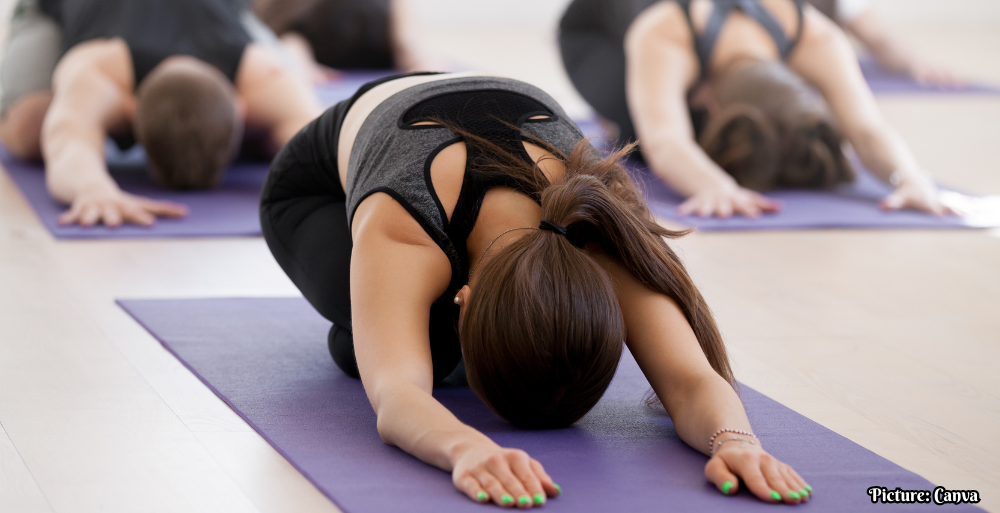
A concise 15-minute yoga session aims to provide a full-body stretch, allowing participants to reset both physically and mentally through a series of gentle exercises.
On June 4, 2026, yoga enthusiasts and newcomers alike are invited to participate in a structured 15-minute yoga routine that emphasizes gentle movements aimed at achieving a comprehensive full-body stretch. This practice is designed for individuals seeking a quick yet effective way to relieve stress and enhance both physical and mental well-being.
Overview of the Practice
The yoga session is intentionally designed to be accessible to all, requiring no specialized props, although the use of yoga blocks may provide additional support for those who desire it. The routine consists of a series of carefully structured poses that flow seamlessly into one another, thereby enabling participants to connect their breath with their movements. The overall intention is to create a calming environment that facilitates mindfulness, relaxation, and a sense of well-being.
Step-by-Step Routine
The practice begins with the foundational pose known as Child’s Pose. In this initial position, participants kneel on their mats, shifting their hips back toward their heels while extending their arms forward. This pose fosters grounding and relaxation, allowing for an initial 1-2 minutes of stillness, which sets a tranquil tone for the session.
After Child’s Pose, participants transition into the Broken Wing pose. In this position, individuals gently roll onto their front side, placing the left hand beneath the left shoulder while extending the right arm out to the side. This pose is designed to open the chest and shoulders, promoting flexibility and releasing tension. Participants are encouraged to hold this pose for six cycles of breath, further enhancing the connection between mind and body.
The next pose, Resting Half Frog, encourages participants to stack their hands and rest their foreheads on top, with elbows bent out to the sides. The left knee is drawn outward to the side, resting on the floor. This pose fosters hip flexibility and relaxation, with a focus on breath for three cycles before repeating the sequence on the opposite side.
Transitioning into Dynamic Cobra Pose, participants extend their right leg straight back, placing their hands wide off the edges of the mat. As they inhale, they lift their chests, flowing between Cobra and gentle side dips. This dynamic movement is performed in coordination with rhythmic breathing, which helps to strengthen the back and open the chest further.
Returning to Child’s Pose after this dynamic sequence allows for recovery and reflection. Participants are encouraged to stay for at least two cycles of breath, maintaining a focus on grounding and awareness of their breathing.
The practice then moves to the Thread the Needle pose, where participants extend one arm upwards before threading it beneath the opposite arm. This twist aids in spinal mobility and shoulder flexibility, with options to extend the opposite leg for added intensity. Maintaining this pose for three cycles of breath emphasizes the importance of mindful breathing throughout the routine.
Lizard Pose follows, which encourages participants to step their foot to the outside of their hand, promoting hip openings. They hold this position for a full breath cycle before transitioning into Half Splits. In Half Splits, participants flex their front foot and fold towards it, enhancing hamstring flexibility.
As the session progresses, participants will experience Head-to-Knee Pose, where one leg is extended while the other remains bent. This is then followed by a Seated Twist to promote spinal health and mobility. Finally, the Pigeon Pose provides deep hip stretches, allowing participants to fold forward if comfortable. Each of these poses is held for several cycles of breath, fostering a gradual release of tension in the body.
The routine culminates in Downward-Facing Dog, a classic posture that encourages full-body engagement and lengthening. Following this, participants move into a Standing Forward Bend, and finally roll up to Mountain Pose to conclude the practice.
Conclusion and Reflection
Following the completion of the poses, participants are invited to transition into a comfortable seated position. This closing segment encourages reflection on the practice, with participants bringing their hands together at heart center as a gesture of gratitude for the time dedicated to their well-being. This structured yet flexible routine emphasizes the vital connection between mind and body, making it an excellent choice for those seeking a brief escape from the pressures of daily life.
Yoga, with its deep roots in ancient traditions, offers modern practitioners a pathway to enhance their physical health while also cultivating mental clarity. In just 15 minutes, this session illustrates how a short commitment to mindfulness and movement can yield significant benefits for both the body and mind. The simplicity and accessibility of this practice make it a valuable tool for anyone looking to rejuvenate themselves, regardless of their experience level.
As interest in yoga continues to grow in contemporary society, practices like this serve as a reminder that effective self-care does not always require extensive time or elaborate routines. Instead, a focused, mindful 15-minute session can provide a powerful reset, enabling participants to return to their daily lives refreshed and more centered.



No Comment! Be the first one.