





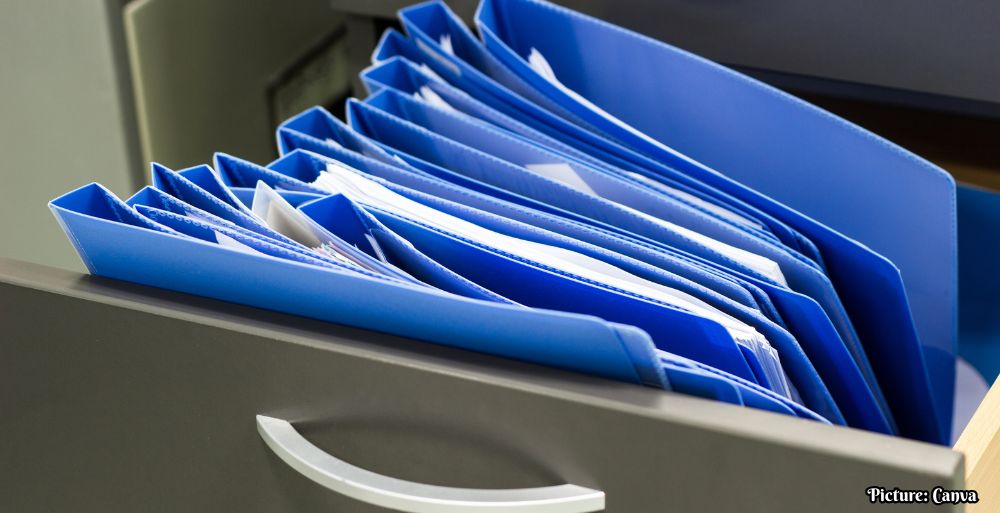
A brag folder serves as a tool for self-reflection and acknowledgment of personal achievements, enabling individuals to combat self-doubt and maintain perspective on their growth.
In a culture often focused on future goals and perceived shortcomings, the value of recognizing past achievements can be overlooked. Experts recommend creating a ‘brag folder’—a curated collection of personal accomplishments, positive feedback, and milestones that individuals can revisit to reinforce their self-esteem and counteract negative self-assessments.
Performance psychologist Cindra Kamphoff from Minneapolis emphasizes the psychological benefits of maintaining a record of successes. She recounts a poignant experience when her father was hospitalized after heart surgery. To help sustain their morale, her family created a ‘win wall’ in his hospital room, where they documented daily victories, no matter how minor. This practice shifted their focus from setbacks to progress, providing them with renewed energy to face challenging circumstances. ‘I have to see something different,’ Kamphoff recalls of her mindset during that time.
The psychological principles behind a brag folder reflect a broader understanding of human cognition. According to Kamphoff, individuals often succumb to a negativity bias, wherein the brain instinctively focuses more on failures or challenges than successes. This skewed perception can lead to an eroded sense of self-worth. A brag folder acts as a remedy, offering tangible evidence of one’s capabilities and accomplishments. ‘It’s a bank account for your self-esteem,’ Kamphoff explains. ‘Every win you log, however small, is a deposit to draw on the next time self-doubt creeps in.’
Understanding the Contents of a Brag Folder
Despite its benefits, many individuals struggle with the initial step of compiling a brag folder. Adebisi Gbadamosi, a therapist from Deltona, Florida, suggests reframing the approach to gathering accomplishments. Rather than fixating solely on proud moments, individuals should reflect on past experiences that excited them—projects they looked forward to and challenges they enjoyed. This perspective can yield a more comprehensive list of achievements that may not have been initially recognized.
Once individuals identify their accomplishments, Gbadamosi recommends documenting four key elements: the accomplishment itself, the reason for pride, the value it brought to others, and the lessons learned. This structured approach not only enriches the documentation but also provides language to articulate achievements when modesty might otherwise impede expression.
In addition to written records, collecting tangible evidence—such as emails, photographs, handwritten notes, or testimonials—further enriches the brag folder. Harvind Singh, a consulting engineering firm CEO in Chicago, reflects on her experience of creating a brag log mid-career. Initially tasked with compiling a list of accomplishments for an award submission, she recognized numerous achievements that had faded into the background of her daily responsibilities. ‘Being humble doesn’t mean you don’t acknowledge what you’ve done,’ Singh asserts, highlighting the importance of recognizing both professional milestones and personal endeavors.
Maintaining and Using Your Brag Folder
The format of a brag folder is flexible; whether it be an Excel spreadsheet, a physical journal, or a digital note-taking app, the key is consistency in updating it. Singh maintains a structured Excel file, categorizing her achievements, while others may prefer a more visual approach such as a bulletin board. Regardless of the method, the most significant challenge lies in regularly adding to the folder. Singh advises setting monthly reminders to reflect on recent accomplishments, emphasizing that without documentation, memories can easily fade.
It is important to note that starting a brag folder at any point in life is beneficial, and individuals should not feel constrained by time. Gbadamosi reassures that the process is not about perfection; it is a personal record with no external judgment. ‘No one’s going to grade this,’ she states, emphasizing that the folder is a private reflection of one’s journey.
When to Revisit Your Brag Folder
Experts suggest engaging with the brag folder during specific moments of self-doubt or anxiety. Dr. Linda Dolin, chief medical officer at the Sylvia Brafman Mental Health Center in Fort Lauderdale, recommends revisiting this collection during challenging times, such as job losses or personal setbacks. During these periods, feelings of inadequacy can proliferate, and a brag folder offers concrete evidence to counteract these thoughts. ‘Reading those reminders anchors your self-worth,’ Dolin notes, explaining how a brag folder can stabilize one’s sense of identity.
Additionally, reviewing the folder before significant events—such as job interviews or important conversations—can bolster confidence. Abramovici advises utilizing the folder to remind oneself of past capabilities and achievements, reinforcing a positive self-image rather than relying solely on affirmations. She notes that this practice cultivates a healthier relationship with oneself over time.
In conclusion, while the societal stigma may associate bragging with vanity, maintaining a brag folder is an intimate and constructive way to acknowledge personal growth and resilience. As Dolin aptly puts it, ‘No brag is too big or too small.’ The ultimate goal of this practice is not to inflate one’s ego, but rather to provide a necessary reminder of past achievements and the potential to navigate future challenges.






No Comment! Be the first one.