





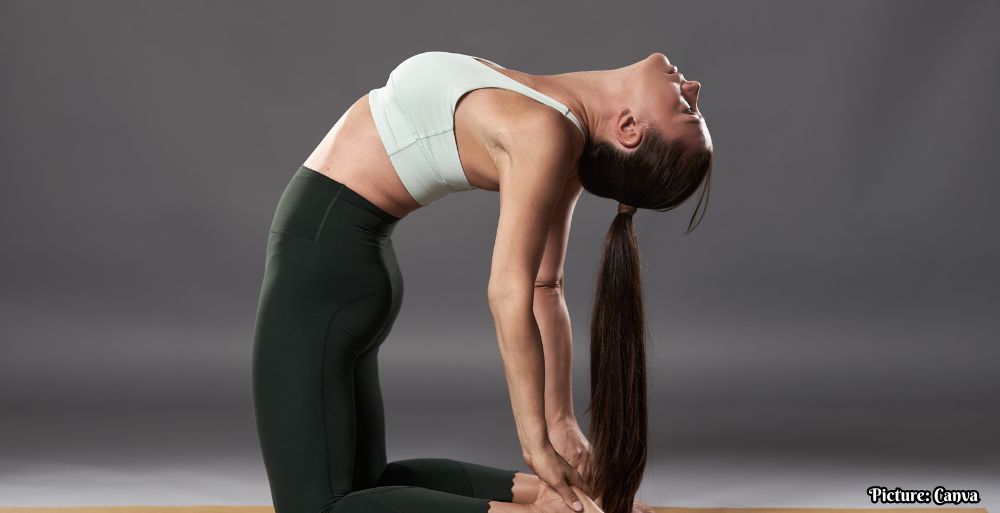
Research underscores that yoga is not only beneficial for stretching the back but also essential for strengthening the upper back, a crucial area often overlooked in traditional practices.
Published on October 19, 2026, the focus of this report is on the significance of upper back strength within yoga practice. Amber Sayer, a certified yoga instructor and trainer, highlights the necessity of targeting this underappreciated area of the body, especially in relation to overall health and posture.
When individuals think of yoga for back health, they typically envision poses that provide relief for the neck and lower back. While there are numerous poses aimed at alleviating tension in these regions, the upper back warrants equal attention, as it plays a vital role in maintaining posture and supporting daily activities. The upper back encompasses key muscle groups, including the trapezius, rhomboids, and erector spinae, which are instrumental in sustaining an upright position and facilitating a range of movements.
The Role of Upper Back Strength in Health
Recent studies have illuminated the benefits of yoga in enhancing upper back muscle strength. For instance, a contemporary study indicated that yoga poses stimulate a more varied activation of upper back and shoulder muscles compared to conventional gym exercises. Specifically, poses such as Downward-Facing Dog and a version of Bridge pose with interlaced hands have been shown to effectively engage these muscles.
Long-term yoga practice has also been associated with improved posture and spinal curvature. Data from one study revealed that participants who engaged in yoga three times a week over a period of one to fifteen years experienced fewer instances of thoracic kyphosis (the rounding of the upper back) and lumbar lordosis (swayback). Additionally, another study found that a six-month yoga program led to significant improvements in upper back strength. These findings suggest a direct correlation between upper back strength and enhanced quality of life, reflecting how physical improvements can ease daily activities.
Yoga Poses Targeting the Upper Back
According to Sayer, several yoga poses are particularly effective for strengthening the upper back. These poses often involve isometric contractions, enabling practitioners to engage the muscles without necessitating weights or specialized equipment. Below is a detailed overview of select poses that can bolster upper back strength:
1. Sphinx Pose
This pose is beginner-friendly and involves resting on the forearms while lifting the chest off the mat. By pressing through the forearms and actively lifting, practitioners can engage the erector spinae and draw their shoulder blades together, activating vital upper back muscles.
2. Cobra Pose
As a progression from Sphinx Pose, Cobra Pose requires practitioners to rest their palms on the mat beneath their shoulders while engaging their upper back muscles to lift their chest off the ground. This action further enhances muscle activation.
3. Cat-Cow Pose
This dynamic movement encourages spinal mobility through its flexion and extension sequences. Practitioners are advised to exaggerate the shapes of the upper back during transitions between Cat and Cow poses to maximize muscle engagement.
4. Downward-Facing Dog
This widely practiced pose not only challenges the arms and shoulders but also necessitates significant engagement from the upper back. By drawing the shoulders away from the ears and pressing the hips towards the ceiling, practitioners can enhance the activation of the lower trapezius.
5. Dolphin Pose
Similar to Downward-Facing Dog, Dolphin Pose requires the forearms to rest on the mat, thereby reducing wrist strain while transferring more of the workload to the upper back and shoulders. In this pose, practitioners should focus on pressing their forearms down while lifting their shoulders away from the mat.
6. Reverse Plank
This variation of the standard Plank pose often gets overlooked, yet it effectively challenges the upper body to support a significant portion of body weight against gravity. Reverse Plank strengthens the upper back, triceps, and shoulders, particularly the rear deltoids and rotator cuff muscles.
7. Forearm Plank
Practicing Plank on the forearms is not only a core-strengthening exercise but also fortifies the upper back muscles by stabilizing the shoulder blades along the rib cage. Maintaining body alignment is crucial, and practitioners can use a strap around the upper arms to prevent outward rolling.
8. Warrior 3
This full-body pose strengthens multiple muscle groups, including the upper back, especially when the arms are held straight ahead against gravity.
9. Half Moon Pose
Typically regarded for its emphasis on the lower body, Half Moon Pose also engages the upper body significantly. Practitioners can enhance muscle activation in the upper back by rolling the top shoulder slightly back while maintaining proper alignment.
10. Locust Pose
In Locust Pose, practitioners should focus on allowing the upper back to lift the body off the mat instead of using the hands, which effectively targets various back muscles. Research indicates that this pose is particularly effective for activating the trapezius.
11. Bridge Pose
Bridge Pose emphasizes the upper back through the interlacing of fingers behind the back while lifting the hips. This action promotes muscle engagement through the arms and upper body.
12. Staff Pose
Although it may appear simple, maintaining an upright posture in Staff Pose can present a challenge to postural muscles. Practicing this pose against a wall can further enhance isometric engagement and stability.
13. Bow Pose
This intense backbend should only be approached after warming up with gentler backbends to prevent injury. In Bow Pose, practitioners should focus on using their glutes for support while actively engaging the upper back muscles.
Incorporating these yoga poses into a regular practice can significantly improve upper back strength, promote better posture, and contribute positively to overall physical health. As Sayer emphasizes, focusing on the upper back is crucial for achieving a balanced yoga practice that supports bodily health and enhances everyday life.



No Comment! Be the first one.