



A variety of natural beverages may assist in managing cholesterol levels, offering potential health benefits alongside traditional medical treatments. This report outlines ten drinks that have shown promise in scientific studies for lowering cholesterol.
In the ongoing battle against high cholesterol, many individuals rely on medication to manage their levels. However, emerging research suggests that dietary choices, particularly beverages, can also play a significant role in cholesterol management. This report examines ten natural drinks that may contribute to lowering cholesterol levels, supported by scientific studies and expert opinions.
Green Tea: A Powerful Antioxidant
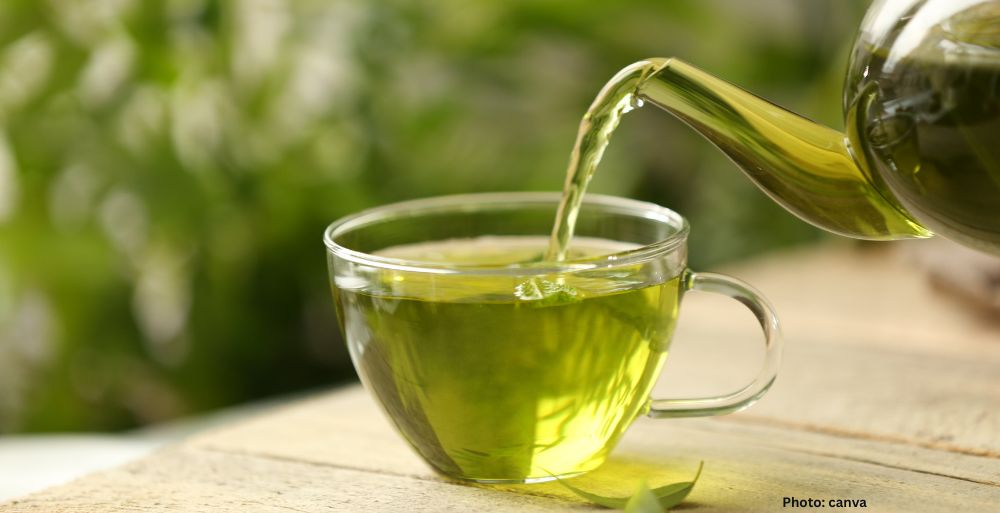
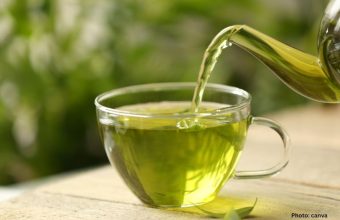
Green tea has garnered attention for its potential health benefits, including its ability to lower cholesterol. The beverage is rich in antioxidants, which combat inflammation and may reduce the risk of various diseases. A comprehensive meta-analysis encompassing 31 trials revealed that regular consumption of green tea is associated with lower total cholesterol levels, as well as reductions in LDL cholesterol, often referred to as the “bad” cholesterol.
Black Tea: A Beneficial Alternative
Similar to green tea, black tea is derived from the Camellia sinensis plant but undergoes a different processing method. A study indicated that participants who consumed black tea alongside a low-fat, low-cholesterol diet experienced up to a 10% decrease in both total and LDL cholesterol levels. This suggests that incorporating black tea into a balanced diet may support cholesterol management.
Coffee: Filtering for Health
While coffee is often associated with increased cholesterol levels, the method of preparation plays a crucial role. Brewing coffee using a paper filter is recommended, as it effectively removes diterpenes—compounds that can elevate LDL cholesterol. Conversely, unfiltered coffee, such as espresso or French press, may contribute to higher cholesterol levels. Therefore, consumers are encouraged to be mindful of their brewing methods.
Oat Milk: A Heart-Healthy Option
Oat milk is a plant-based alternative that has gained popularity for its nutritional benefits. It contains a soluble fiber known as beta-glucan, which has been shown to lower cholesterol. In a study where participants consumed oat milk daily for five weeks, researchers observed a significant reduction in both total and LDL cholesterol levels. This positions oat milk as a heart-healthy choice for those seeking to manage cholesterol.
Soy Milk: A Dual Action Beverage
Soy milk not only shows potential in lowering LDL cholesterol but may also aid in increasing HDL cholesterol, commonly referred to as the “good” cholesterol. A meta-analysis of over 40 studies indicated that soy protein consumption resulted in a 3% to 4% reduction in LDL levels. Furthermore, research demonstrated that daily intake of 25 grams of soy milk led to a 5% decrease in LDL compared to dairy milk, highlighting its effectiveness in cholesterol management.
Kefir: Probiotic Power
Kefir, a fermented milk drink rich in probiotics, has mixed findings regarding its impact on cholesterol. However, some studies suggest that regular consumption of kefir can lead to lower total cholesterol and LDL levels. In one study, participants who drank kefir over an eight-week period experienced more favorable cholesterol levels compared to those who consumed regular dairy products.
Tomato Juice: A Nutrient-Rich Choice
Tomato juice is notable for its high lycopene content, an antioxidant linked to heart health. Research indicates that individuals who consumed tomato juice four times weekly over two months experienced a significant reduction in LDL cholesterol, alongside a slight increase in HDL cholesterol. To maximize health benefits, unsalted tomato juice is recommended.
Barley: A Fiber-Rich Grain
Barley is a nutrient-dense grain packed with fiber, particularly beta-glucan, which has been associated with lower cholesterol levels. Consuming barley dissolved in water can be an easy way to incorporate this beneficial grain into one’s diet. Studies have shown that beta-glucans can effectively lower overall cholesterol and LDL cholesterol, making barley a valuable addition to cholesterol-lowering strategies.
Psyllium: A Fiber Supplement
Psyllium, commonly found in fiber supplements like Metamucil, is often used to aid digestive health. Additionally, research indicates that regular intake of approximately 10 grams of psyllium daily can significantly reduce LDL cholesterol over a three-week period. This positions psyllium as a practical option for individuals looking to lower cholesterol through dietary adjustments.
Stanols and Sterols: Natural Cholesterol Blockers
Plant-derived stanols and sterols are compounds that inhibit cholesterol absorption in the body. These compounds are commonly added to fortified juices and yogurt drinks. Research suggests that a daily intake of 2 grams (2,000 mg) of stanols and sterols can lead to a reduction in LDL cholesterol by as much as 10%. For optimal effectiveness, it is advised to consume these fortified beverages with meals or snacks.
Consultation Recommended
While these drinks may offer benefits in managing cholesterol levels, it is essential for individuals to consult their healthcare providers before making significant changes to their diet. Individual responses to these beverages can vary, and professional guidance can help tailor an effective approach to cholesterol management.



No Comment! Be the first one.