





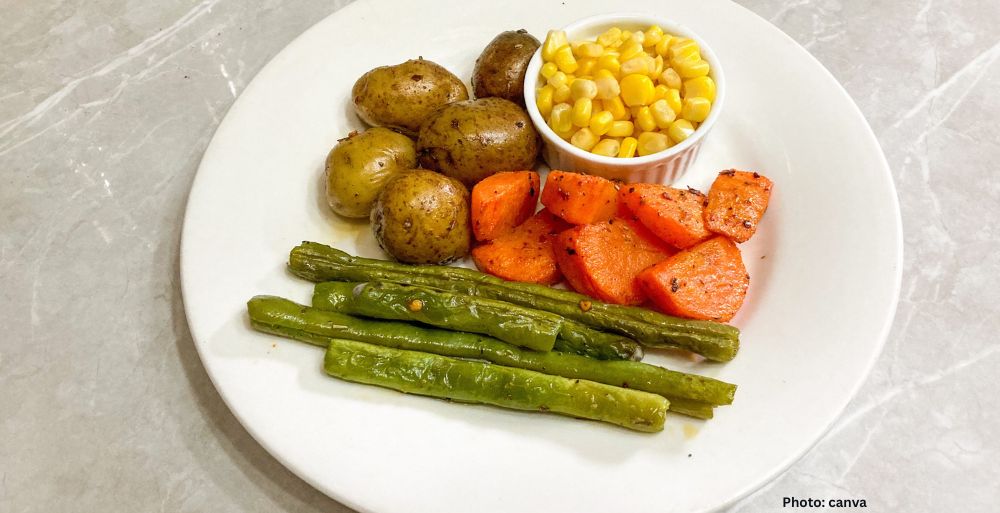
Many vegetables provide essential carbohydrates alongside nutrients and fiber, making them valuable additions to a healthy diet.
In the realm of nutrition, understanding carbohydrate sources is crucial for maintaining a balanced diet. This report delves into various vegetables that are not only rich in carbohydrates but also packed with essential nutrients, fiber, and flavor. Each vegetable is presented with its carbohydrate content per serving and preparation suggestions to enhance their appeal.
Carrots: Versatile and Nutrient-Rich
Carrots are a staple in many diets, serving as both a nutritious snack and a versatile cooking ingredient. A typical serving size of one cup of raw carrots contains approximately 12 grams of carbohydrates. For those who find traditional cooked carrots unappetizing, consuming them raw can be a delightful alternative. Smaller carrots can be enjoyed whole, while larger ones can be sliced at an angle for a more appealing presentation. They pair excellently with a healthy dip made from low-fat yogurt, lemon juice, and fresh dill, making them a nutritious snack option that is both satisfying and flavorful.
Corn: A Summer Favorite
Sweet corn is a staple during the summer months, with a carbohydrate content of around 30 grams per cup when chopped or from one large ear. This popular vegetable also provides approximately 4 grams of fiber per serving, which can help regulate blood sugar levels. Grilling fresh corn enhances its natural sweetness and flavor; however, for quick preparation, microwaving whole ears in their husks for a few minutes before grilling can significantly reduce cooking time, making it a convenient option for busy households.
Potatoes: A Starchy Delight
Potatoes are one of the most popular comfort foods globally, offering a carbohydrate content of 27 grams per cup when chopped or mashed, whether raw or cooked. These starchy vegetables are not only high in carbohydrates but also rich in potassium, calcium, and vitamin C. They can be transformed into a healthier alternative to traditional French fries by slicing thin and baking under a broiler with a light brushing of olive oil. This preparation method retains the nutrients while creating a satisfying crunch that can appeal to both children and adults.
Beets: A Nutrient Powerhouse
Beets are often celebrated for their vibrant color and distinctive flavor, offering 13 grams of carbohydrates per cup when chopped or sliced. To expedite cooking time, beets should be peeled and sliced into smaller pieces before baking. Roasting beets at 425 degrees Fahrenheit for about 20 minutes allows them to develop a rich flavor, making them a perfect addition to salads combined with arugula, pecans, and low-fat feta cheese. This combination not only adds taste but also enhances the nutritional profile of the dish.
Squash Varieties: Flavorful Options
Squash, including varieties like butternut and acorn, offers a high carbohydrate count of about 21 grams per cup when cooked. These vegetables provide additional nutritional benefits, including 6.6 grams of fiber, which promotes digestive health. Roasting squash at 400 degrees for about 30 minutes can transform them into a delicious side dish or a flavorful taco filling, showcasing their versatility in various culinary applications.
Brussels Sprouts: A Fiber-Rich Choice
Brussels sprouts are often dismissed due to past experiences with overcooking, which can lead to a bitter flavor. However, when prepared correctly, they can be a delightful addition to meals. A serving of one cup, whether raw or cooked, contains around 12 grams of carbohydrates and boasts a significant 8 grams of fiber, which aids in digestion. Tossing them with olive oil, salt, and pepper and roasting at 500 degrees Fahrenheit for 20 minutes can revitalize their flavor, especially when drizzled with balsamic vinegar for added depth.
Zucchini: The Versatile Summer Squash
Zucchini, known for its delicate flavor, can be enjoyed raw or cooked. A serving size of one cup, sliced, contains only 3.5 grams of carbohydrates, making it a low-carb option for those looking to reduce their carbohydrate intake. Slices can be used as dippers for various dips, or zucchini can be transformed into noodles using a spiral slicer, providing a low-carb alternative to traditional pasta. This flexibility makes zucchini a popular choice in health-conscious cooking.
Chickpeas: Protein and Fiber Power
Chickpeas, also known as garbanzo beans, are recognized for their versatility and nutritional value. A serving of one cup, cooked, contains approximately 45 grams of carbohydrates while also being packed with protein and fiber. This makes them an excellent choice for vegetarians and those seeking to increase their protein intake. Chickpeas can be incorporated into various dishes, including salads and soups. When blended with olive oil, lemon juice, and tahini, they create hummus, a popular dip enjoyed with pita bread, chips, or raw vegetables.
Conclusion: Embracing Healthy Carbohydrate Sources
Incorporating a variety of vegetables into one’s diet is essential for obtaining carbohydrates as well as ensuring an adequate intake of vitamins, minerals, and fiber. Each vegetable discussed contributes to a balanced diet and can be prepared in numerous ways to maintain flavor and nutrition. As consumers become increasingly health-conscious, understanding the benefits of these vegetables can aid in making informed dietary choices. This knowledge not only promotes healthier eating habits but also encourages culinary creativity, allowing individuals to enjoy a wide range of flavors while maintaining nutritional integrity.




No Comment! Be the first one.