





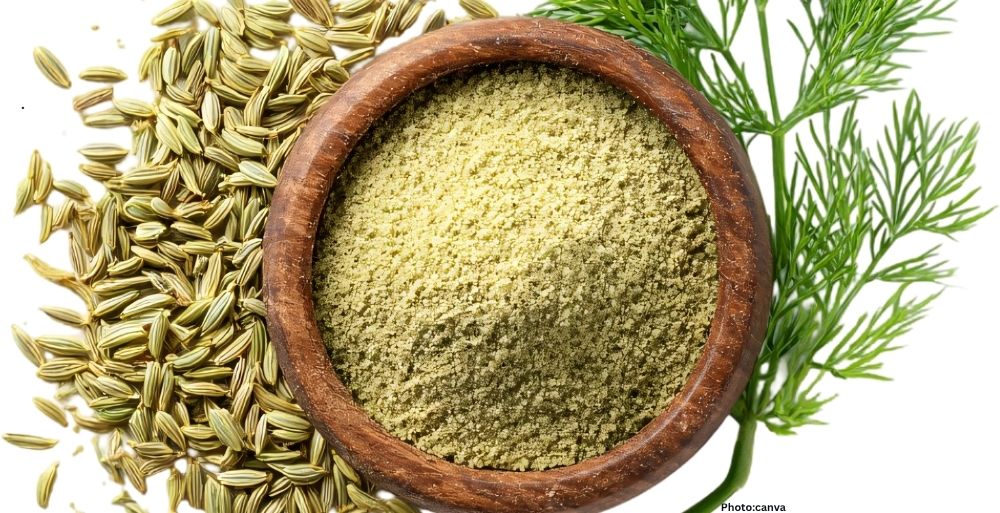
Dr. Alessia Roehnelt emphasizes the importance of dietary choices in promoting metabolic health, identifying fennel as a vegetable particularly beneficial for blood sugar regulation and weight management.
In an era where metabolic health has become a focal point for many individuals seeking to improve their overall wellness, Dr. Alessia Roehnelt, a double board-certified endocrinologist and founder of EndoHealth MD, has shed light on the significant benefits of incorporating specific vegetables into one’s diet. In a recent consultation, Dr. Roehnelt identified fennel as a standout choice for enhancing metabolic health, particularly in managing blood sugar levels, mitigating insulin resistance, and supporting weight management.
Maintaining metabolic health is vital for preventing a range of chronic conditions, notably type 2 diabetes and obesity. According to the Centers for Disease Control and Prevention (CDC), approximately 34.2 million Americans are currently living with diabetes, and millions more are at risk due to unhealthy eating habits and sedentary lifestyles. The emphasis on metabolic health has led to a growing interest in functional foods that provide nutritional benefits beyond basic dietary needs.
Fennel’s Nutritional Benefits
Dr. Roehnelt elaborated on the multifaceted benefits of fennel, stating, “Fennel can benefit your metabolism in multiple ways.” She highlighted that this vegetable is particularly rich in dietary fiber, a nutrient that plays a crucial role in slowing down digestion and glucose absorption. This process helps to mitigate spikes in blood sugar and insulin levels, both of which are closely linked to insulin resistance—a condition where the body’s cells become less responsive to insulin, resulting in elevated blood sugar levels.
Research supports the notion that dietary fiber not only aids in digestion but also promotes a sense of fullness, which can assist individuals in managing their appetite. Furthermore, Dr. Roehnelt noted that fennel contains a variety of beneficial compounds, including polyphenols, flavonoids, and anethole, which may contribute to reducing inflammation and oxidative stress. Chronic inflammation has been recognized as a significant factor in the development of various metabolic disorders, including obesity and metabolic syndrome.
Who Can Benefit from Fennel?
Dr. Roehnelt indicated that a diverse group of individuals could benefit from incorporating fennel into their diets. This vegetable may be especially advantageous for those aiming to lose weight, as it is low in calories while being rich in essential nutrients such as vitamin C and potassium. She remarked, “Fennel is packed with nutrients while remaining low in calories, making it a helpful addition for those looking to reduce caloric intake while still maintaining adequate nutrition.” This nutrient density is crucial for individuals who are conscious of their caloric consumption but still wish to meet their nutritional needs.
Additionally, those suffering from digestive issues, such as irritable bowel syndrome (IBS), may find fennel beneficial, as it has been noted to help alleviate symptoms like bloating. This aligns with ongoing research that underscores the role of dietary choices in managing gastrointestinal health.
Comprehensive Dietary Recommendations
In conjunction with her recommendation of fennel, Dr. Roehnelt emphasized the importance of adopting a holistic dietary approach to enhance metabolic health. She advised individuals to limit their intake of ultra-processed foods, which can have detrimental effects on metabolic functioning. Such foods include refined carbohydrates—like white bread and pastries—as well as sugar-sweetened beverages and highly processed snacks laden with added sugars.
Dr. Roehnelt recommended a balanced diet that incorporates a variety of food categories to promote gut health and stabilize blood sugar levels. Key food groups she suggested include:
- Fiber-rich vegetables, such as broccoli and leafy greens
- High-quality proteins, such as fish and eggs
- Healthy fats, such as olive oil and avocados
- Whole fruits
- Fermented foods, such as kefir and sauerkraut
Moreover, she shared a practical guideline for maintaining good metabolic health: “Stick with fresh foods. If a food can sit on a shelf for years without changing, it is probably not ideal for your metabolism. Real food is meant to spoil, and when it doesn’t, it’s usually because it’s been highly processed or altered.” This perspective aligns with broader public health recommendations that advocate for the consumption of whole, minimally processed foods to enhance overall health and well-being.
The Implications of Dietary Choices on Health
The dialogue surrounding metabolic health continues to evolve, with the integration of nutrient-dense vegetables like fennel being recognized as a potential strategy for improving health outcomes. As rates of metabolic disorders rise, the guidance from healthcare professionals like Dr. Roehnelt serves as a crucial reminder of the power of dietary choices in managing health. Fennel’s unique properties not only support metabolism but also contribute to overall wellness, highlighting the importance of informed nutritional decisions in today’s health landscape.
In conclusion, as individuals become increasingly aware of the impact of their dietary habits on metabolic health, the inclusion of beneficial foods such as fennel could play a significant role in preventing chronic health issues and enhancing quality of life. The insights provided by Dr. Roehnelt underscore the critical relationship between nutrition and metabolic function, advocating for a proactive approach to health through dietary choices.






No Comment! Be the first one.