





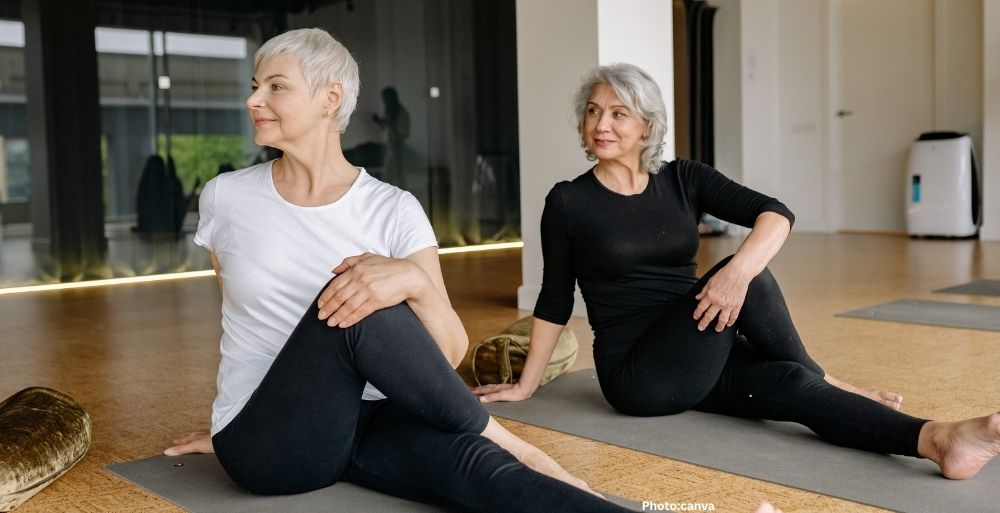
Recent studies indicate that daily multivitamin intake, enhanced cardiorespiratory fitness, and specific dietary adjustments may contribute to slowing biological aging in older adults.
A series of recent studies published in 2026 have shed light on potential strategies to mitigate biological aging, revealing that daily multivitamin consumption, improved cardiorespiratory fitness, and short-term dietary modifications can have significant health benefits for older adults.
Multivitamins and Biological Aging
A study involving 958 older adults examined the effects of daily multivitamin intake, specifically Centrum Silver, alongside 500 milligrams of cocoa flavanols over a two-year period. Researchers utilized epigenetic clocks, which measure chemical alterations in DNA, to assess biological aging. The findings indicated that participants who adhered to this regimen exhibited a slower rate of biological aging compared to those receiving a placebo. Notably, the study found that while multivitamins may influence biological markers, they do not necessarily correlate with a longer lifespan or a decrease in incidence of chronic diseases.
Michelle Routhenstein, a preventive cardiology dietitian, remarked, “These are changes in biomarkers, not direct evidence of fewer heart attacks, cancers, or longer life span. So I would view the findings as encouraging but still preliminary.”
Cardiorespiratory Fitness and Longevity
In another study assessing the relationship between cardiorespiratory fitness and longevity, researchers analyzed data from 24,576 adults aged 65 and younger. The study utilized treadmill tests to evaluate participants’ fitness levels. Results showed that men with higher cardiorespiratory fitness levels enjoyed a 2% longer health span, 9% fewer diseases, and a 3% longer life span compared to their less fit counterparts. Women exhibited similar benefits.
Cheng-Han Chen, a board-certified interventional cardiologist, stated, “This study confirms our understanding of cardiorespiratory fitness as a marker of future health outcomes and should encourage all of us to make physical activity a part of our daily lives.”
Impact of Short-term Dietary Changes
A separate study published in April 2026 explored how short-term dietary changes could influence biological aging. Participants were placed on various dietary regimens, including omnivorous/high fat (OHF), omnivorous/high carbohydrate (OHC), semi-vegetarian/high fat (VHF), and semi-vegetarian/high carbohydrate (VHC) diets over a four-week period. Results indicated that those adhering to the OHC, VHC, and VHF diets experienced significant reductions in the disparity between their biological and chronological ages, particularly those consuming diets rich in complex carbohydrates and plant-based foods.
Routhenstein commented on the findings, saying, “It doesn’t surprise me that this study showed that, in just four weeks, dietary changes that shift eating habits toward a more plant-forward pattern can have a meaningful impact on blood pressure, cholesterol, insulin sensitivity, and energy levels.”
Conclusions and Implications
While the studies present promising evidence suggesting that multivitamins, increased physical activity, and dietary modifications can collectively contribute to healthier aging, Routhenstein cautioned against labeling these findings as “true age reversal.” She emphasized that sustained dietary changes are necessary for long-term health benefits and that improvements in cardiometabolic health can indirectly support longevity.
Overall, these findings underscore the importance of lifestyle choices in promoting health and longevity, suggesting that it is never too late to adopt healthier habits. The studies not only highlight the potential of multivitamins and fitness but also advocate for a shift towards plant-based dietary patterns as a strategy for improving health outcomes in older populations.
Broader Context and Future Research
These findings align with a growing body of research that emphasizes the link between lifestyle choices and longevity. As the global population ages, understanding how to effectively slow biological aging becomes increasingly important for public health. The World Health Organization has projected that by 2050, the number of people aged 60 years and older will reach 2 billion, highlighting the urgency of research into healthy aging.
Moreover, while the studies provide initial evidence of the benefits associated with multivitamins and fitness, they also call for further investigation into the long-term effects of these interventions. Routhenstein noted that future research should focus on the sustainability of dietary changes and their impact on overall health outcomes. She stated, “It’s crucial to determine how long these benefits last and whether they can be maintained over the years.”
Implications for public health policy may also arise from these studies. With rising healthcare costs associated with aging populations, adopting strategies that promote healthier lifestyles could potentially reduce the burden on healthcare systems. Public health initiatives aimed at encouraging physical activity and healthier eating habits may prove beneficial not only for individual health but also for community health as a whole.
In summary, the interplay between multivitamins, fitness, and diet offers a compelling narrative in the quest for healthier aging. The research suggests that simple, actionable changes can lead to meaningful improvements in health and longevity, reinforcing the notion that proactive health management is achievable at any age.

No Comment! Be the first one.