





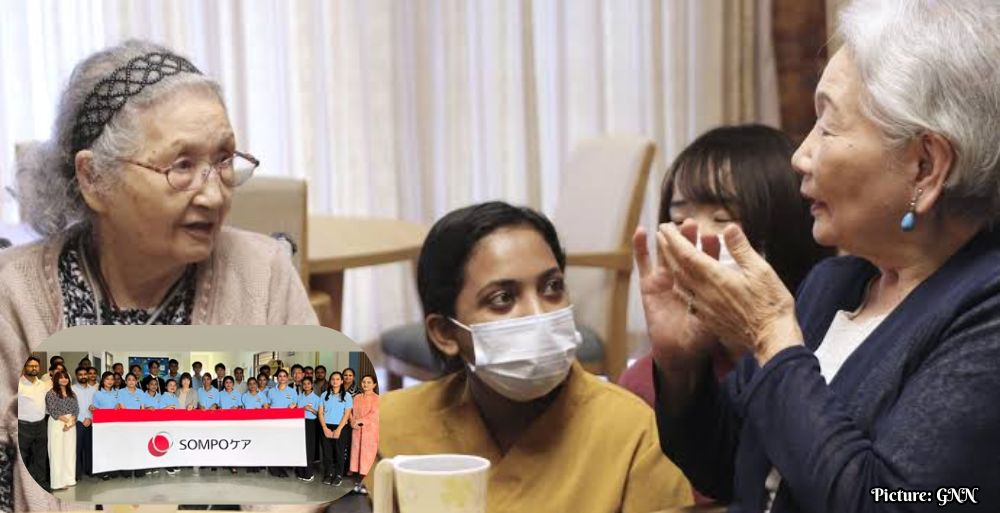
In Mizoram, India, an increasing number of young people are studying Japanese to seek job opportunities in Japan, which is facing a significant demand for caregivers due to an aging population.
In the northeastern Indian state of Mizoram, a growing cohort of young adults is immersing themselves in Japanese language studies, driven by the promise of improved employment prospects in Japan. This trend emerges against the backdrop of Japan’s escalating need for caregivers, a sector grappling with substantial labor shortages. These language classes are conducted by the Youth4Japan Academy, part of the Japan Centre of Excellence (Jaceex), an educational initiative founded in 2019 aimed at equipping young talent from northeast India with the necessary skills for successful careers in Japan.
Japan is currently experiencing a demographic shift characterized by an aging population and a declining birthrate, which has intensified the demand for foreign workers, particularly in caregiving roles. According to data from Japan’s Ministry of Health, Labour and Welfare, the country is projected to face a shortfall of approximately 1.3 million caregivers by 2025. This looming crisis has prompted the Japanese government to relax immigration policies to encourage foreign workers to fill these essential roles.
Educational Initiatives and Career Aspirations
The Youth4Japan Academy offers comprehensive programs that include Japanese language instruction and cultural orientation, aiming to prepare students for life and employment in Japan. As students in Aizawl, the capital of Mizoram, engage in these courses, many view this opportunity as a vital pathway to achieving a better quality of life. Participants express aspirations for earning salaries significantly higher than the average monthly income in India, which hovers around ₹30,000 (approximately $400), depending on the region and industry.
One student, who wished to remain anonymous, reflected on the challenges of learning Japanese, stating, “Learning Japanese is challenging but worthwhile. The opportunities in Japan are what motivate me.” This sentiment resonates with many of her peers, who are eager to secure employment in sectors such as healthcare, hospitality, and education in Japan. The potential for upward mobility and financial security is a compelling factor for these young individuals.
Migration Trends and Local Economic Implications
The trend of skilled migration has broader implications for local communities and economies. While the outflow of talented individuals can lead to a brain drain, where the most skilled workers leave for better opportunities abroad, proponents argue that remittances sent back to India can significantly enhance local economies. In Mizoram, where development is ongoing, the prospect of increased income through overseas employment serves as a strong incentive for young people.
The local government is taking notice of this trend, exploring partnerships with Japanese institutions to facilitate smoother transitions for students seeking work abroad. This includes potential collaborations to streamline the visa application process and provide additional support for cultural acclimatization.
Challenges on the Path to Employment
Despite the promising landscape, aspiring workers face numerous challenges as they navigate the migration process. Key obstacles include language barriers, cultural differences, and the bureaucratic complexities associated with obtaining work visas. The Japanese language, known for its intricate writing systems and grammatical structures, presents a formidable challenge for many non-native speakers.
Moreover, while Japan actively seeks foreign caregivers, successful integration requires a deep understanding of societal norms and workplace expectations. Programs like those offered by Jaceex aim to tackle these challenges directly, providing practical training alongside language instruction. This dual approach helps students not only to communicate effectively but also to adapt to the cultural nuances they will encounter in Japan.
A Broader Trend in Northeast India
The interest in Japan as a viable employment destination extends beyond Mizoram, reflecting a broader trend across India’s northeastern states. Many young people in regions such as Manipur, Nagaland, and Arunachal Pradesh are increasingly viewing international migration as a pathway to upward mobility. The expansion of educational programs focused on language and cultural training is likely to play a critical role in shaping the future workforce that will support Japan’s care economy.
As these educational initiatives develop, they provide students with the tools necessary to navigate the complexities of working abroad. Increased collaboration between Indian educational institutions and Japanese organizations may further enhance these prospects, creating a more structured approach to preparing young Indians for roles in Japan’s caregiving sector.
Conclusion: Navigating Future Opportunities
The movement of young Indians toward Japan in search of better job prospects highlights a significant response to both local economic conditions and international labor demands. This trend underscores a transformative shift in how young people envision their futures, extending beyond the borders of India. While challenges such as language acquisition and cultural adaptation remain, the determination of these students to overcome barriers signifies a promising evolution in India’s workforce landscape.
As the global economy continues to evolve, the interplay between Japan’s labor needs and India’s burgeoning youth population is likely to shape future migration patterns and economic opportunities for years to come.






No Comment! Be the first one.