





True financial freedom isn’t determined by the size of a bank account, but by the ability to define what ‘enough’ means and build a life aligned with that vision.
A growing number of personal finance experts are challenging the idea that wealth alone leads to happiness, arguing instead that financial freedom comes from cultivating a healthier relationship with money rather than simply accumulating more of it.
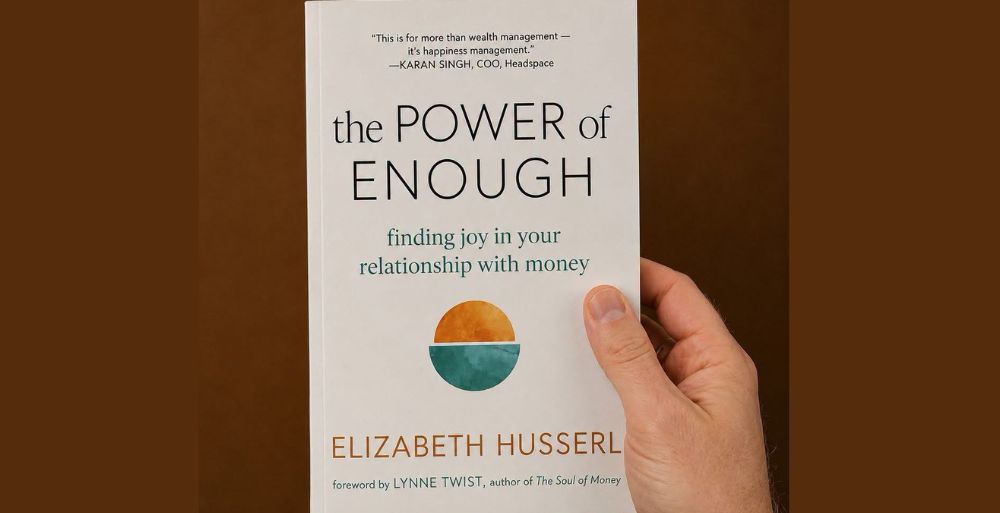
In her book, The Power of Enough: Finding Joy in Your Relationship with Money, author Elizabeth Husserl explores how emotional well-being, personal values and self-awareness can reshape the way people think about finances.
The book contends that individuals can possess significant wealth yet continue to feel financially insecure, while others with modest means may experience greater peace by understanding what is “enough” for their lives.
On the book’s cover, Karan Singh, COO of Headspace, describes the work as “more than wealth management — it’s happiness management,” highlighting its emphasis on emotional well-being over financial accumulation.
Among the book’s central themes is the importance of shifting from a scarcity mindset to one of sufficiency. Rather than constantly focusing on what is lacking, Husserl encourages readers to recognise the value of what they already have as the foundation of genuine financial well-being.
The book also examines the emotional side of money, urging readers to pay attention to feelings such as anxiety, guilt and fear that often accompany financial decisions. According to Husserl, understanding these emotional responses is an important step toward building healthier financial habits.
Another key message is encouraging individuals to define their own version of “enough” instead of pursuing ever-changing societal standards of success. By establishing clear personal goals and values, readers may be less likely to become trapped in an endless pursuit of greater wealth.
Husserl also argues that money should be viewed as a tool for creating meaningful experiences, relationships and peace of mind rather than simply accumulating assets. The book suggests aligning financial decisions with personal values instead of external expectations.
Finally, the author encourages readers to examine the financial beliefs they may have inherited from childhood and to consciously develop healthier attitudes toward money. She argues that people are capable of rewriting long-held financial narratives that contribute to stress and insecurity.
At a time when rising living costs, economic uncertainty and financial anxiety are affecting households around the world, The Power of Enough offers a perspective that places emotional well-being alongside financial planning, suggesting that lasting prosperity depends as much on mindset as it does on income.






No Comment! Be the first one.