





World leaders have reached a consensus on a new UN declaration aimed at addressing the pressing issue of rising sea levels, a challenge that poses an existential threat to many low-lying nations.
On September 24, 2026, representatives from around the globe convened to endorse the UN Declaration on Sea Level Rise, a crucial initiative aimed at fostering international cooperation to support nations most vulnerable to the impacts of climate change. This declaration, which was finalized the previous month, reflects growing concerns over rising sea levels as a direct consequence of global warming.
The UN Intergovernmental Panel on Climate Change (IPCC) has released alarming data indicating that the global mean sea level is not only rising but doing so at an accelerating pace. Currently, approximately 770 million people live in coastal regions that are susceptible to the adverse effects of this phenomenon. Projections suggest that even a modest increase of half a meter in sea levels by the century’s end could displace between 150 million and 300 million individuals from their homes, leading to widespread humanitarian crises.
Impacts on Vulnerable Nations
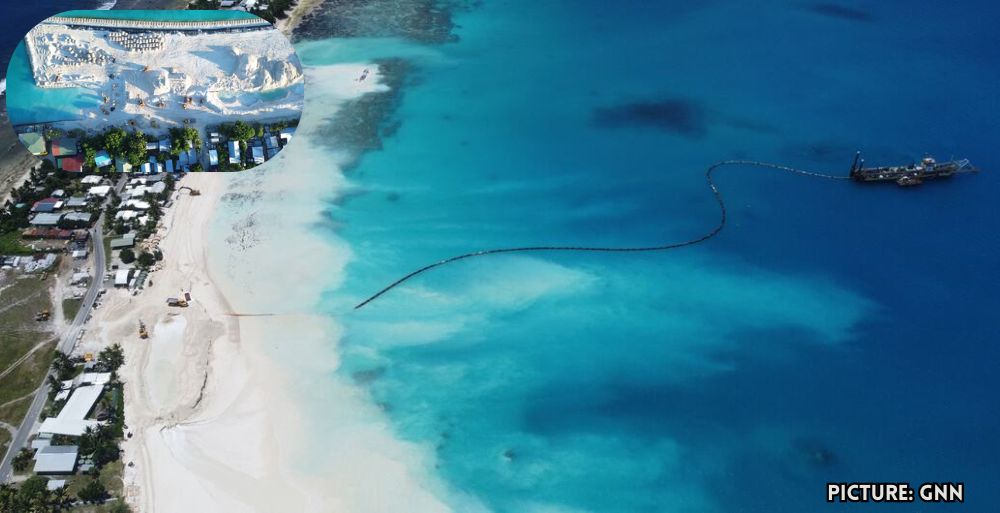
Small island nations are among those most at risk from rising sea levels. For instance, Tuvalu, an island nation in the Pacific, faces the imminent threat of losing significant portions of its territory to the encroaching sea. In response, Tuvalu is pioneering efforts to transition into what it hopes to be the world’s first “digital nation.” This initiative aims to preserve the country’s cultural identity and heritage in the event of large-scale displacement, illustrating the profound impacts of climate change on national sovereignty and identity.
The plight of nations like Tuvalu highlights a critical disparity in the global climate crisis; those countries that have contributed the least to greenhouse gas emissions are often bearing the brunt of its most severe consequences. This inequity raises significant ethical questions regarding climate justice, as wealthier nations are frequently criticized for their disproportionate contributions to climate change while often failing to offer sufficient support to those most affected.
Global Cooperation and Future Steps
The adoption of the UN Declaration on Sea Level Rise signifies a crucial acknowledgment among world leaders of the urgent need for enhanced collaboration in tackling the challenges associated with rising sea levels. The declaration underscores the necessity of international support for adaptation and resilience-building efforts in vulnerable coastal communities. It aims to promote a unified approach to addressing the multifaceted challenges posed by climate change.
Moreover, the declaration calls for increased funding and technology transfer to aid these nations in their adaptation efforts. This includes investments in infrastructure to protect coastal areas, as well as initiatives to develop sustainable practices that can mitigate the impacts of rising sea levels. As the global community grapples with the realities of climate change, it is crucial for nations to come together and forge comprehensive strategies to confront the impending crisis.
During the discussions leading to the declaration, leaders emphasized the need for innovative solutions and equitable approaches to climate action. The recognition of rising sea levels as a critical issue requiring immediate and coordinated action marks a significant moment in the evolution of global climate policy. It underscores the moral imperative for solidarity and support for nations at the front lines of climate change.
Historical Context and Broader Implications
Historically, the issue of sea level rise has been a growing concern since the Industrial Revolution, when human activities began to significantly increase greenhouse gas emissions. Over the past century, global sea levels have risen approximately 20 centimeters, and the rate of increase has accelerated in recent decades. As temperatures continue to rise, driven by fossil fuel consumption and deforestation, projections indicate that sea levels could rise by more than one meter by the end of this century, with potentially devastating consequences for coastal communities worldwide.
This situation has prompted international bodies, including the United Nations, to prioritize climate change in discussions among member states. The 2015 Paris Agreement aimed to limit global warming to below 2 degrees Celsius, ideally to 1.5 degrees Celsius, but achieving these targets requires unprecedented global cooperation and action. The recent declaration serves as a reaffirmation of this commitment, highlighting the urgent need to operationalize climate agreements into actionable policies that can effectively support vulnerable populations.
Furthermore, the declaration could catalyze local and regional initiatives aimed at enhancing climate resilience. By fostering partnerships between nations, NGOs, and the private sector, there is potential for innovative solutions that integrate scientific research with community needs. These efforts could range from improved coastal defenses to sustainable development practices that prioritize environmental preservation alongside economic growth.
A Call to Action
The implications of the UN Declaration on Sea Level Rise extend beyond the immediate concerns of displacement and environmental degradation. It serves as a call to action for all nations to acknowledge their role in the global climate system and to contribute to a collective response that prioritizes the well-being of the most vulnerable. The challenges posed by climate change are monumental, but history has shown that when nations unite for a common cause, progress can be made.
As the world moves forward, the focus must shift towards implementing the strategies outlined in the declaration, ensuring that commitments translate into tangible support for those at risk. The commitment to tackle rising sea levels is not just about safeguarding land; it is fundamentally about protecting lives, cultures, and the future of our planet.

No Comment! Be the first one.