




Public Health Data Details Rising Prevalence of Hearing Loss and Advanced Therapeutic Interventions

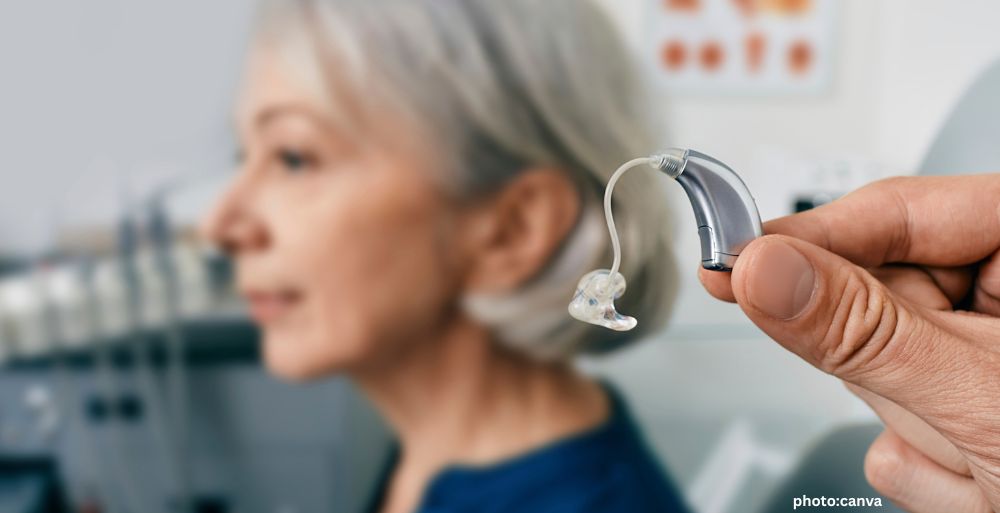
A comprehensive public health analysis indicates that hearing loss now affects approximately 48 million Americans, remaining the third most common chronic physical condition in the United States. Epidemiological tracking underscores that age-related degradation, occupational noise exposure, and ototoxic pharmaceuticals represent primary drivers of auditory impairment. However, clinical advances—ranging from digital audiometry and personal listening systems to newly approved gene therapies such as lunsotogene parvec-cwha—are transforming treatment paradigms. Health experts emphasize that early diagnosis, systematic noise mitigation, and barrier-free assistive technology are critical to preserving long-term cognitive function and preventing social isolation.
WASHINGTON — Hearing loss represents one of the most widespread yet frequently undetected public health challenges facing the United States. According to epidemiological estimates from the Centers for Disease Control and Prevention (CDC) and national health surveys, approximately 48 million Americans suffer from some degree of auditory impairment, making it the nation’s third most prevalent chronic health condition.
Despite its pervasive nature, public health officials note that progressive hearing loss often remains underdiagnosed due to its gradual onset. Left unmanaged, auditory decline severely degrades interpersonal communication, exacerbates cognitive fatigue, and correlates directly with elevated rates of clinical depression, social isolation, and accelerated cognitive decline in aging populations.
Anatomical Subtypes and Clinical Graduations
Physiologically, hearing loss is categorized into three primary structural types, determined by the location of anatomical damage:
- Conductive Hearing Loss: Occurs when sound waves are prevented from efficiently traveling through the outer ear canal or middle ear. Common triggers include cerumen (earwax) impaction, middle ear fluid, infection, or bony growth disorders such as otosclerosis.
- Sensorineural Hearing Loss: Involves damage to the delicate hair cells within the fluid-filled cochlea or the auditory nerve pathways connecting the inner ear to the brain. This form represents the vast majority of permanent hearing loss cases.
- Mixed Hearing Loss: Represents a concurrent combination of conductive and sensorineural conditions affecting both the outer/middle ear and inner ear structures.
Clinically, audiologists classify hearing impairment across four primary severity thresholds. Individuals with mild hearing loss can maintain one-on-one conversations in quiet environments but struggle to discern high-frequency speech in noisy backgrounds. Moderate hearing loss requires frequent repetition during daily interactions and telephone conversations. Severe hearing loss renders unassisted verbal communication nearly impossible, while profound hearing loss prevents the perception of speech altogether without powerful amplification, cochlear implants, or specialized neural devices.
Etiology: Occupational Risk, Aging, and Ototoxicity
The etiology of auditory degradation spans natural biological aging, environmental stressors, and systemic medical conditions. Advanced age remains the strongest demographic predictor of hearing loss: one-third of adults aged 65 to 74 experience measurable hearing loss, a figure that rises to 50% for individuals over 75 years of age.
Environmental and workplace hazards represent another primary cause. The CDC estimates that approximately 22 million American workers face hazardous noise levels on the job annually. High-risk occupations include construction workers, soldiers, miners, industrial factory workers, carpenters, and professional musicians. Environmental noise exceeding 85 decibels systematically degrades the cochlea’s hair cells over time.
Furthermore, more than 200 pharmaceutical agents and industrial chemicals are classified as ototoxic—meaning they possess inherent side effects that damage auditory or balance structures. Primary ototoxic drugs include:
- Aminoglycoside Antibiotics: Specific heavy-duty antibiotics used for severe infections.
- Chemotherapy Agents: Platinum-based antineoplastic drugs such as cisplatin and carboplatin.
- Loop Diuretics: High-potency medications prescribed for fluid retention and heart failure.
- Aspirin & Antimalearials: High-dose salicylates and medications like quinine.
- Erectile Dysfunction Pharmaceuticals: Certain PDE5 inhibitors with documented auditory side effects.
Systemic vascular and metabolic diseases—including hypertension, coronary artery disease, and diabetes—further compromise hearing health by restricting microvascular blood supply to the inner ear.
Diagnostic Methodologies and Advanced Interventions
Accurate diagnosis relies on a tiered evaluation framework. Primary care clinicians utilize physical otoscopy to eliminate cerumen blockage or structural trauma, alongside tuning fork tests to differentiate between conductive and sensorineural deficits. Comprehensive diagnostic audiometry, performed in sound-attenuated booths by certified audiologists, establishes exact decibel thresholds across varying frequencies. Digital screening applications on smartphones and tablets have also expanded consumer baseline self-testing.
A major milestone in therapeutic intervention occurred with the development of lunsotogene parvec-cwha (marketed as Otarmeni), a prescription gene therapy engineered to treat severe-to-profound genetic hearing loss caused by mutations in the OTOF gene. Approved for both pediatric and adult populations, the treatment manufacturer, Regeneron, announced in July 2026 that it would provide the therapy at no cost to eligible patients in the United States, greatly expanding access to curative genetic medicine.
Cognitive Complications and Preventive Protocols
Unaddressed hearing loss carries profound neurological and psychosocial consequences. Longitudinal clinical studies demonstrate a clear correlation between unmanaged hearing loss and cognitive decline. When the brain must dedicate excessive cognitive resources to decoding degraded auditory signals, executive processing and memory storage suffer. Conversely, clinical research confirms that restoring auditory input through hearing aids, captioning systems, or implants directly improves cognitive test scores and memory retention.
Preventive measures remain essential, given that sensorineural damage is largely irreversible. The National Institute for Occupational Safety and Health (NIOSH) recommends engineering controls—such as acoustic barrier walls and mufflers in industrial settings—alongside universal personal protective equipment (PPE) like custom earplugs or earmuffs during high-decibel recreational and workplace activities.
Public health officials advise that proactive hearing conservation, regular audiometric screenings, and prompt therapeutic intervention are vital to maintaining cognitive health, economic productivity, and social connection throughout life.





No Comment! Be the first one.