





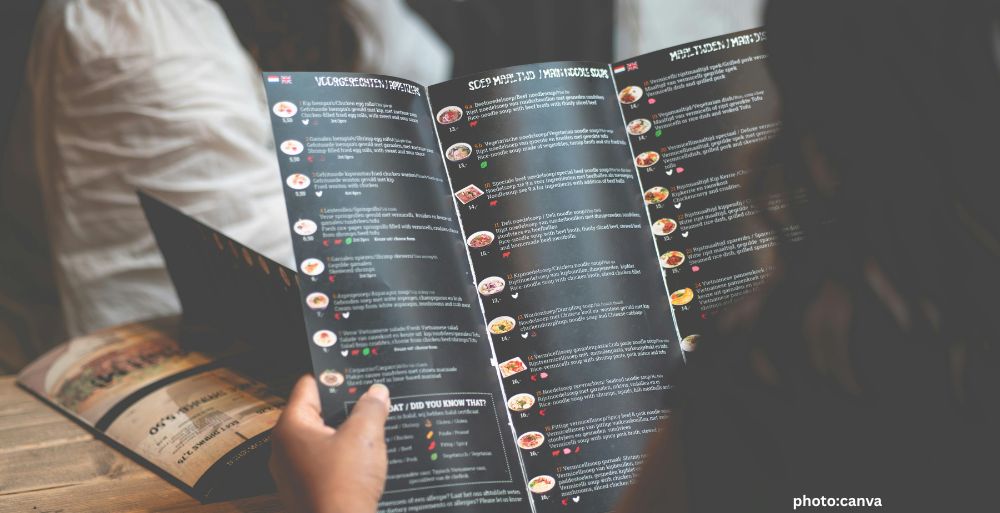
A comprehensive evaluation of nutritional data and clinical dietary guidelines indicates that while dining out represents a major component of American consumer lifestyle, standard restaurant offerings present hidden cardiovascular, metabolic, and obesity-related risks through elevated levels of saturated fats, sodium, and caloric density. Public health experts and preventative care clinical nutritionists emphasize that systematic menu navigation—specifically prioritizing unsaturated fats, demanding custom preparation methods, identifying descriptive culinary terminology, and leveraging regional cuisine profiles—allows consumers to maintain rigorous nutritional standards without abstaining from social dining.
WASHINGTON — Restaurant dining remains an integral element of modern American culture and daily economy, yet navigating commercial menus poses a continuous challenge for consumers seeking to maintain cardiovascular health, manage diabetes, or achieve sustainable weight management. According to public health data, commercial food preparation routinely relies on elevated concentrations of sodium, saturated fats, refined carbohydrates, and hidden caloric additives to enhance flavor and shelf stability.
However, preventive medicine researchers and registered dietitians note that dining outside the home does not inherently require compromising long-term wellness goals. By developing nutritional literacy, recognizing descriptive culinary cues, and asserting explicit custom preparation preferences, consumers can successfully align restaurant meals with evidence-based dietary guidelines, such as those recommended by the American Heart Association and the Mediterranean diet framework.
Cardiovascular Protection: Lipid Profiles and Sodium Mitigation
Understanding the biological impact of distinct fat categories serves as the foundational step in healthy menu selection. Clinical literature divides dietary lipids into protective and harmful classifications:
- Monounsaturated Fats: When substituted for saturated fats, monounsaturated lipids actively reduce bad low-density lipoprotein (LDL) cholesterol levels while preserving beneficial high-density lipoprotein (HDL) cholesterol. Primary sources include canola oil, extra virgin olive oil, whole olives, avocados, nuts, and natural nut butters.
- Polyunsaturated Fats: These essential fatty acids assist in reducing overall serum cholesterol levels. Polyunsaturated fats are abundant in fatty cold-water fish, vegetable oils, sunflower seeds, and walnuts.
- Omega-3 Fatty Acids: A specialized class of polyunsaturated fats found in high concentrations in salmon, tuna, walnuts, and edamame (steamed soybeans). Omega-3s directly decrease systemic vascular inflammation and lower long-term risk metrics for coronary artery disease.
Conversely, commercial restaurant items frequently conceal high levels of saturated fats, dietary cholesterol, and sodium. Saturated fats derived primarily from grain-fed red meat, whole-fat dairy, butter, and tropical oils (such as palm and coconut oil) drive elevations in total serum cholesterol.
Equally concerning is the excessive sodium content characteristic of professional kitchens. For individuals monitoring blood pressure or managing hypertension, high-sodium triggers can be identified by specific menu indicators, including items that are pickled, smoked, cured, or served in concentrated broths (au jus). High-sodium condiments include traditional soy sauce, teriyaki sauce, cocktail sauce, and monosodium glutamate (MSG). Clinical nutritionists recommend requesting low-sodium alternatives and asking kitchens to prepare dishes without added table salt or MSG.
“The modern restaurant environment is engineered around flavor concentration, which historically translates to added butter, heavy salt, and reduced fiber,” noted Dr. Aris Thorne, a clinical nutritionist and public health researcher. “Consumers must realize that the menu is a point of negotiation. Requesting lighter preparations, sauces on the side, or dry broiling is a fundamental health self-defense strategy.”
Descriptive Menu Literacy: Decoding Culinary Terms
To identify cardiovascular hazards before ordering, consumers must learn to decode standard culinary nomenclature. Restaurant menus routinely employ specific descriptors that indicate either excessive saturated fat and caloric density or light, nutrient-dense preparations.
When selecting protein sources, consumers should opt for lean cuts. While traditional hamburgers, ribeye, porterhouse, and T-bone steaks score poorly in saturated fat evaluations, lean alternatives include London broil, filet mignon, flank steak, sirloin tip, lean pot roast, skinless poultry, and fresh seafood options like boiled shrimp or oysters on the half shell.
Furthermore, managing portion sizes represents a critical arm of caloric control. Because commercial serving sizes frequently exceed standard single-meal energy requirements by two- to three-fold, dietitians suggest requesting a carryout box prior to the meal to package half the portion immediately, or sharing large entrées across the table.
Navigating Global Cuisines: Regional Analysis and Strategic Substitutions
Different global culinary traditions present unique nutritional benefits alongside distinct structural pitfalls. Navigating international menus successfully requires understanding regional cooking mediums and ingredient bases.
For custom orders in establishments that enforce rigid “no substitution” policies, practical workarounds can mitigate nutritional damage:
- Request Exclusion: Instruct the server to omit French fries, chips, or high-calorie sides entirely from the plate to prevent passive grazing.
- Manual Modification: Manually strip the skin and breading from fried poultry, which dramatically lowers overall saturated fat absorption.
- Condiment Control: Abstain from butter spreads and opt for unsweetened tea or water rather than dairy-heavy coffee beverages.
- Pizza Modifications: Choose thin crust options, double the vegetable toppings, request half the standard cheese allocation, and limit consumption to one or two slices paired with a fresh side salad.
“By applying structured decision-making to restaurant ordering, individuals can effectively manage chronic health conditions like hypertension, hyperlipidemia, and type 2 diabetes without forfeiting their social life,” concluded Dr. Elena Rostova, a preventive medicine clinician. “Nutritional literacy transforms the restaurant menu from a liability into an adaptable tool for long-term health.”





No Comment! Be the first one.