




Public Health Agencies Weigh Nutritional Profiles of Starchy Staples as Dietitians Compare Rice and Potatoes

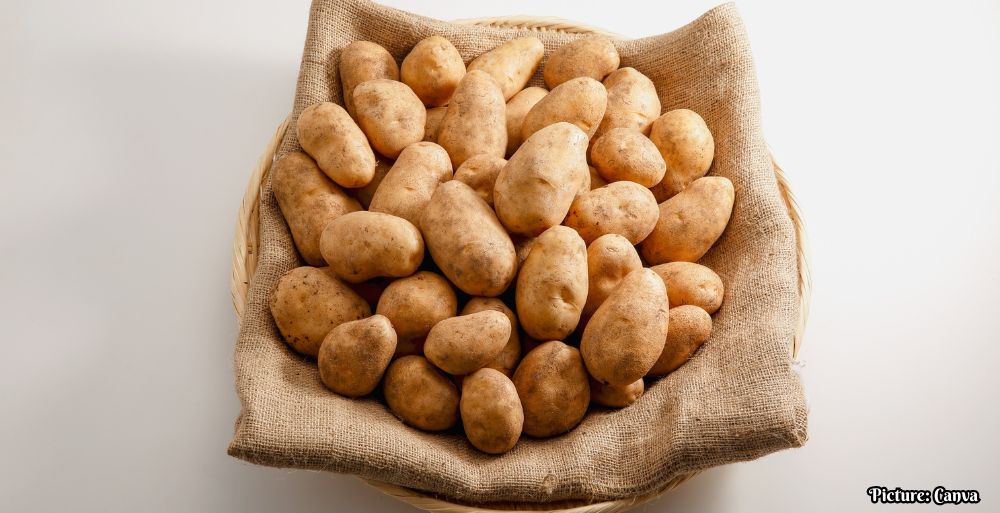
Public health experts and nutritionists are reassessing the dietary roles of rice and potatoes, two foundational staple crops that form the backbone of national agricultural policies and daily caloric intake. While both foods provide essential carbohydrates, emerging clinical data and comparative nutritional analyses indicate that potatoes offer higher density in key micronutrients like potassium and vitamin C, whereas specific whole-grain rice varieties provide targeted metabolic benefits. Understanding these distinctions is increasingly vital as policymakers confront rising national rates of type 2 diabetes and metabolic syndrome.
WASHINGTON — As the federal government updates its national dietary guidelines, a growing debate among clinical nutritionists and public health policy analysts is shedding light on the comparative health benefits of the world’s two most dominant starchy staples: rice and potatoes. Often positioned interchangeably on plates alongside proteins and vegetables, these crops are increasingly scrutinized not just as sources of cheap caloric energy, but as critical variables in chronic disease prevention.
With cardiovascular diseases and metabolic syndrome contributing significantly to healthcare expenditures, understanding how these carbohydrates interact with human physiology has moved from personal dietary preference to a matter of public health strategy.
The Micronutrient Breakdown: Why Preparation Dictates Policy
Data from agricultural and nutritional databases indicate a stark contrast in the baseline nutrient density of these two staples. When evaluated on a per-calorie basis, potatoes consistently demonstrate higher concentrations of several critical micronutrients.
“Potatoes are much more nutrient-dense, offering significantly higher amounts of potassium, vitamin C, and vitamin B6 per calorie than standard rice,” stated Amanda Pasko, M.S., M.P.H., R.D., a nutrition expert at the wellness platform BetterMe, speaking from a recent public health panel on metabolic health. Her demeanor was clinical and focused as she presented comparative slides to the committee. “They are also exceptionally filling, meaning they score higher on the satiety index and can help individuals feel satisfied with a smaller volume of food.”
Furthermore, white potatoes are a top dietary source of potassium, a mineral critical for regulating fluid balance and managing systemic blood pressure. However, public health statistics show that the vast majority of potato consumption occurs in highly processed forms.
“The biggest downside is the potato’s preparation,” noted Jordan Langhough, R.D., C.P.T., a registered dietitian and founder of Wildflower Fertility + Nutrition, during an interview at her office. She gestured toward recent dietary survey data with a look of concern. “Most often we consume potatoes as fries, chips, and buttered mashed potatoes, which are calorie-dense and lack many of the nutrients that potatoes can provide.”
The addition of heavy saturated fats like butter, sour cream, and commercial frying oils can entirely counteract the innate cardiovascular benefits of the tuber, converting a low-fat, nutrient-rich crop into a driver of metabolic dysfunction.
Whole-Grain Rice Varieties: Targeted Interventions in Glycemic Control
While potatoes hold a baseline advantage in raw micronutrient density, whole-grain rice varieties offer distinct epidemiological advantages, particularly regarding long-term blood sugar regulation. Refined white rice, which consists solely of the starchy endosperm, has been consistently linked in large-scale cohort studies to an elevated risk of developing type 2 diabetes. Conversely, whole-grain alternatives retain their nutrient-dense outer layers.
The primary structural differences among healthy rice options include:
- Brown Rice: Retains its bran, germ, and endosperm, providing higher concentrations of protein, fiber, magnesium, and phosphorus than white rice. Long-term research published in BMJ Open associated regular brown rice consumption with a lower risk of type 2 diabetes and increased levels of high-density lipoprotein (HDL) cholesterol.
- Black Rice (Forbidden Rice): Characterized by a deep purple hue derived from anthocyanins—potent antioxidants that clinical trials suggest improve peripheral insulin sensitivity. It possesses a lower glycemic index than brown rice alongside elevated protein and fiber metrics.
- Red Rice: Contains similar high levels of anthocyanins. These compounds have demonstrated protective qualities against age-related conditions, including cardiovascular disease, metabolic syndrome, and neurodegenerative decline.
- Wild Rice: Botanically classified as the seed of an aquatic grass rather than a true grain, wild rice features roughly double the protein and fiber content of standard white rice. A study published in the International Journal of Molecular Sciences noted that wild rice consumption helped reduce body weight, inflammation, and hepatic fat accumulation while improving gut microbiome diversity.
“Because these options retain their fiber-rich outer bran layers, they digest at a much slower rate than refined white rice,” Pasko explained, emphasizing the structural biochemistry of whole grains. “This prevents a rapid influx of glucose into your bloodstream, which keeps your energy levels steady and helps avoid the post-meal lethargy that often follows high-carbohydrate meals.”
Addressing Systemic Challenges: Arsenic and Glycemic Spikes
Despite the nutritional utility of whole-grain rice and unrefined potatoes, both staples present distinct challenges that public health officials urge consumers to manage through proper preparation.
For rice, the presence of environmental contaminants remains an ongoing regulatory and consumer safety topic. “Rice can be high in arsenic because it absorbs more arsenic from the soil than other crops,” Langhough explained. To mitigate this exposure without abandoning the grain, food safety experts recommend culinary interventions. Rinsing rice thoroughly prior to cooking, diversifying grain intake with options like quinoa or millet, and boiling rice in a large volume of excess water—similar to cooking pasta—before draining can significantly reduce heavy metal concentrations.
For potatoes, the primary physiological challenge is a high raw glycemic index when consumed hot. A hot, freshly boiled white potato causes a rapid surge of glucose into the bloodstream, demanding a substantial insulin response.
To circumvent this, clinical nutritionists point to a unique biochemical transformation that occurs during cooling. When a cooked potato is cooled completely in refrigeration, its starches crystallize into “resistant starch.”
“Resistant starch bypasses your small intestine entirely,” Pasko noted. “Instead of breaking down into glucose and spiking your blood sugar, it travels to your large intestine where it acts like dietary fiber, feeding your beneficial gut bacteria and improving long-term insulin sensitivity.” Crucially for consumer adoption, the potato can be reheated prior to consumption without destroying this newly formed resistant starch structure.
Ultimately, public health agencies emphasize that neither carbohydrate should dominate the plate in isolation. Mitigating the glycemic impact of both rice and potatoes requires pairing them systematically with lean, minimally processed proteins, healthy monounsaturated fats, and non-starchy vegetables to slow digestion and support stable metabolic health.



No Comment! Be the first one.