




New Australian Study Reveals How Aging Affects Walking Mechanics and Increases Fall Risk

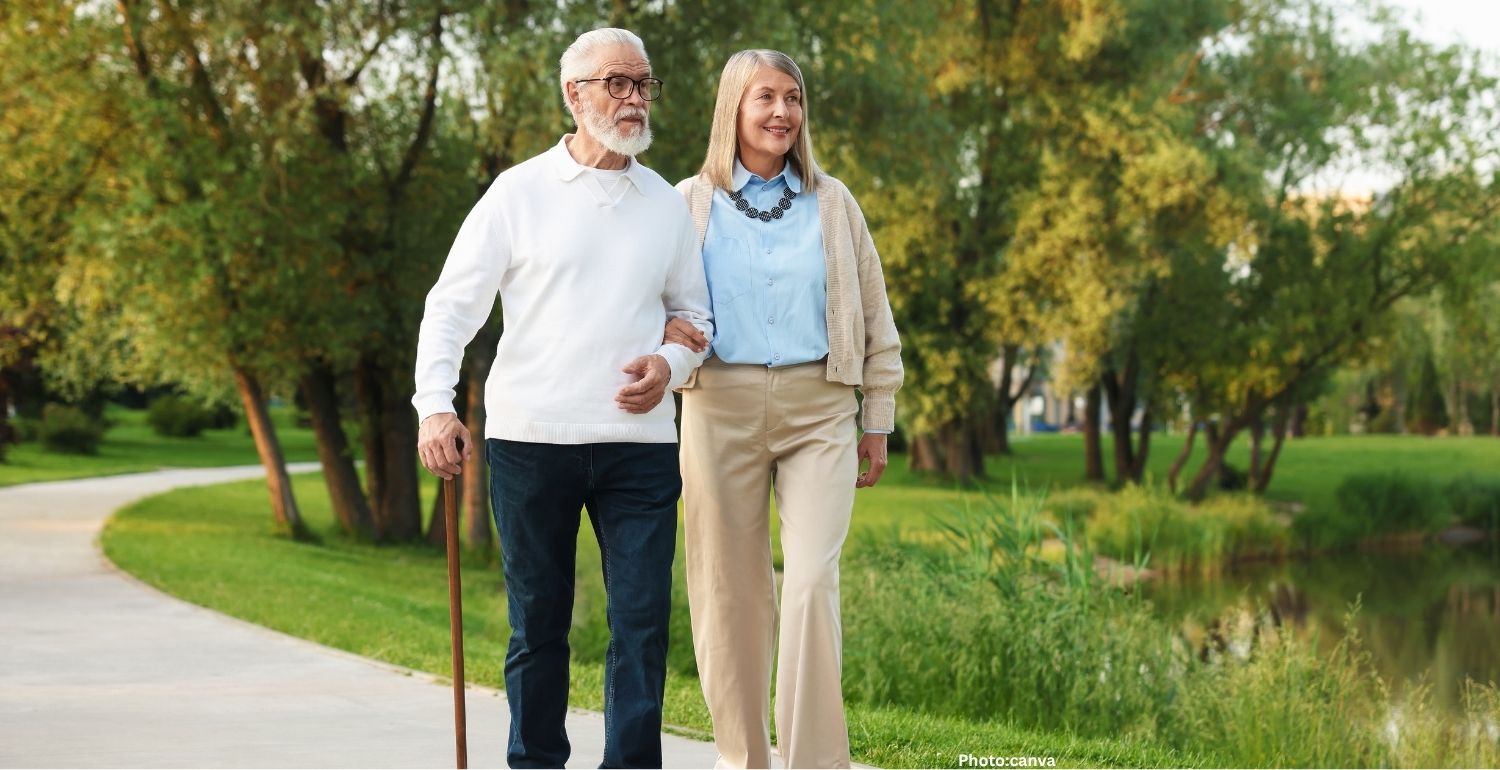
Recent research from Australia indicates that aging alters walking biomechanics, leading to increased fatigue and a heightened risk of falls among older adults due to a shift toward prioritizing stability over efficiency.
A study led by researchers from Flinders University and the University of Canberra has provided new insights into the biomechanics of walking as individuals age. The findings reveal that the body’s approach to walking changes significantly, with older adults increasingly adopting a ‘safety-first’ strategy that prioritizes stability at the expense of speed and energy efficiency. This shift helps explain why older adults may tire more easily and face a greater risk of falls.
Research Methodology and Key Findings
The research analyzed movement data from 107 healthy adults, ranging in age from 26 to 86. The study’s lead author, Dr. Cody Lindsay, an expert in sport and exercise technology, explained that the ankle plays a vital role in maintaining balance and facilitating forward motion. He noted, “As we get older, the body starts to favour stability over efficiency. That helps keep us upright, but it also makes walking more of an effort.” This observation marks a significant shift in understanding the mechanics of aging.
One of the central findings of the study is the phenomenon of co-contraction, where older adults increasingly activate opposing muscles around the ankle simultaneously. This adaptation serves to stiffen the joint, enhancing balance as the foot strikes the ground. However, Dr. Lindsay pointed out the downside of this adaptation: “Stiffening the joint makes walking safer, but it also means the muscles are working harder without generating as much forward movement.” This mechanism contributes to shorter strides and slower walking speeds, which are common in older populations.
Understanding Broader Implications
Co-author Associate Professor Maarten Immink added that these observed changes reflect a broader trend within the nervous system’s approach to movement in older adults. He stated, “The nervous system adopts a safety-first approach, compensating for age-related changes by favouring stability over performance.” This shift not only increases fatigue but also complicates the ability to walk longer distances and diminishes the capacity to recover from slips and trips, which are significant factors leading to falls among older individuals.
Moreover, the researchers highlighted that even gradual changes in walking mechanics could adversely affect an older person’s confidence and independence. Individuals may begin to notice they tire more quickly or feel less stable, particularly on uneven surfaces. These subtle shifts can significantly impact their mobility and overall quality of life.
Recommendations for Maintaining Mobility with Age
The findings from this research underscore the need for innovative strategies to maintain mobility in older adults. The researchers advocate for exercise programs that do not merely focus on strength training but also emphasize balance and coordination. Understanding how different muscle groups collaborate during each step is crucial for developing effective interventions.
Dr. Lindsay recommends several practical actions for older Australians aimed at preserving mobility. Regular physical activity, balance-focused exercises such as tai chi, lower-leg strengthening routines, and activities that challenge coordination can all contribute positively. He stated, “Staying active is one of the most important things people can do, and small, consistent exercises can help you stay confident, mobile, and independent for longer.” This approach not only aids in maintaining physical health but also fosters psychological well-being.
Implications for Future Research and Public Health Initiatives
The researchers express hope that their findings will inform better prevention and rehabilitation strategies to reduce the risk of falls, thereby supporting healthy aging among older populations. As global demographics shift and the population of older adults continues to grow, understanding the physical changes associated with aging becomes increasingly critical for promoting long-term health and well-being.
Published in the journal Gait & Posture, this study highlights the importance of recognizing how aging alters movement mechanics. With a focus on stability rather than speed, these adaptations present unique challenges for older adults as they navigate their daily lives. Future research and public health initiatives must prioritize strategies that enhance mobility while simultaneously addressing the increased risk of falls, fostering a healthier aging society.
Conclusion
In conclusion, this recent study sheds light on the complex interplay between aging and walking efficiency. It emphasizes the necessity for tailored interventions that consider the unique biomechanical changes experienced by older adults. By adopting a comprehensive approach to physical activity that incorporates balance, coordination, and strength, it is possible to improve both mobility and quality of life for older individuals, ultimately contributing to healthier aging.




No Comment! Be the first one.