





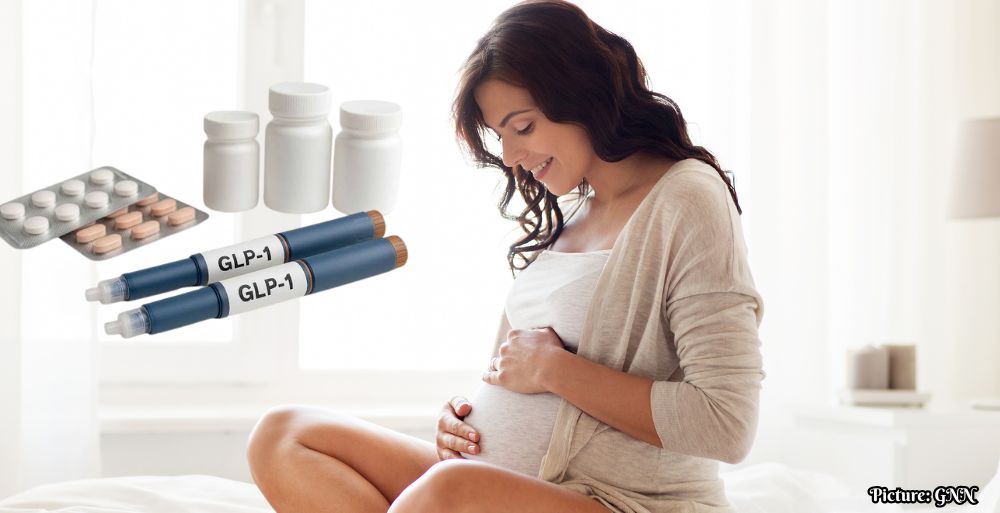
Women on social media are reporting successful pregnancies after using GLP-1 medications, which they say helped improve their fertility. Experts caution that these drugs are not intended as fertility treatments.
Women across social media platforms, particularly TikTok, have begun sharing personal narratives of becoming pregnant after utilizing GLP-1 medications, which are primarily prescribed for weight management and diabetes treatment. Many of these accounts, including those of individuals like Molly Orr and Areli Ruiz, have attracted significant attention, garnering millions of views and prompting discussions around the implications of these medications on fertility.
In a segment aired on “Good Morning America” on Thursday, Molly Orr detailed her journey with polycystic ovary syndrome (PCOS), a hormonal disorder that can complicate conception. Orr explained that prior to her treatment with a GLP-1 medication, she had been informed by medical professionals that natural conception would be unlikely. However, after hearing from others about positive experiences with GLP-1 drugs and their impact on PCOS symptoms, Orr decided to give the medication a try. Approximately one year later, she discovered she was pregnant.
“I really didn’t have my hopes up, but when that test turned positive for like, I was ovulating, I was just floored,” Orr recounted. She noted that the medication’s effects extended beyond weight loss, stating, “Just a medication that not only helped me lose weight — that’s really hard to do with PCOS — things that my body wouldn’t do on its own.” This sentiment is echoed by several other women who have shared similar experiences online.
Stories of Success and Community
Areli Ruiz, who has also publicly shared her journey, faced secondary infertility after the birth of her first daughter 17 years ago. After beginning treatment with a GLP-1 medication, Ruiz reported becoming pregnant eight months later. “Eight months later I got pregnant. And then that was my first one,” she stated. Ruiz’s success did not stop there; she went on to have three children, with each pregnancy following her GLP-1 treatments. “I was like, I’m going to get on the GLP again … got pregnant six months later, did it another time, got pregnant one month after again. So three GLP babies,” she said.
Following her posts on TikTok, Ruiz noted that she encountered numerous women sharing their own stories of successful pregnancies as a result of using GLP-1 medications. “They’re posting their babies in my comments, my GLP twins, my GLP baby,” she remarked, highlighting the sense of community that has emerged as women connect over shared experiences of infertility and successful conception.
Expert Opinions on GLP-1 Medications
Despite the optimism surrounding these personal stories, Dr. Katherine Saunders, who appeared on the same segment, emphasized that GLP-1 medications are not classified as fertility treatments. “It’s not that these medications are fertility medications per se,” Dr. Saunders clarified. However, she noted that for women suffering from insulin resistance—a condition often associated with obesity—treating the underlying metabolic issues can lead to improved fertility outcomes. “Once they treat the metabolic pathways that have been dysregulated because of obesity and because of insulin resistance, women can actually improve their fertility whether they realize it or not,” she explained.
Dr. Saunders cautioned that the potential for improved fertility through GLP-1 medications is highly individual and depends on each woman’s specific medical condition. She stressed the importance of consulting with healthcare providers regarding treatment options. “These situations are very personal decisions that depend on a woman’s medical condition, depend on the timing and the choice of medication that she’s taking, and these should always, always, always be discussed with that woman’s own prescribing clinician,” Dr. Saunders advised.
Additionally, the U.S. Food and Drug Administration (FDA) has issued warnings regarding the use of certain GLP-1 medications, particularly tirzepatide, marketed under the brand names Mounjaro and Zepbound, in conjunction with oral contraceptives. The FDA recommends that women using these medications employ a backup method of contraception or switch to a non-oral form for the first four weeks after initiating treatment and for four weeks following any dosage increase.
The growing discourse surrounding GLP-1 medications and their impact on fertility illustrates a complex intersection of personal experience, medical guidance, and public health messaging. While individual stories may offer hope to many, it is essential for patients to navigate these discussions with a grounded understanding of the medical realities involved.






No Comment! Be the first one.