





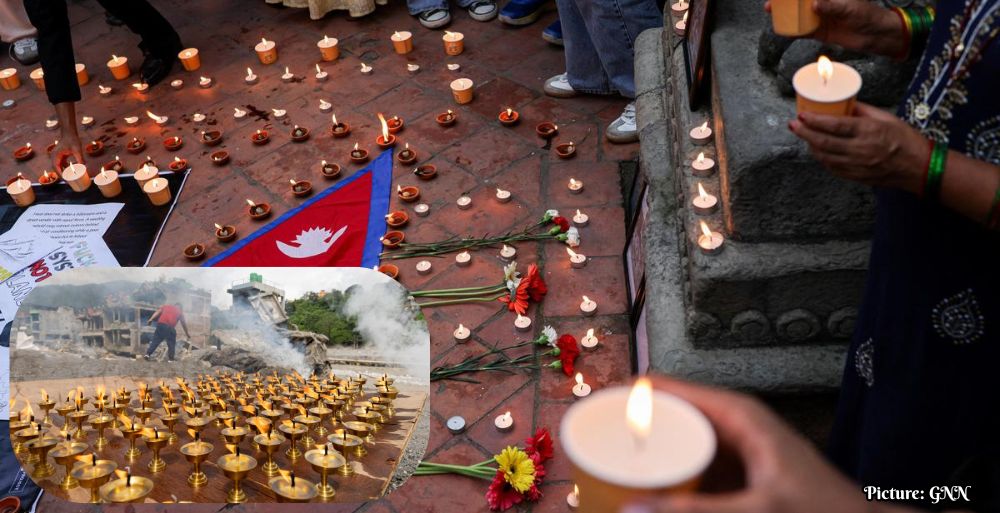
Nepal has observed a national day of mourning for the victims of a devastating flash flood that has claimed over 1,200 lives, with search operations ongoing for thousands still missing.
Nepal marked a national day of mourning on September 7, 2026, in remembrance of the victims of a catastrophic flash flood that severely affected communities along the border between Nepal and Tibet. The disaster, believed to have been triggered by a glacial collapse, has resulted in at least 1,287 confirmed deaths and left more than 5,000 individuals unaccounted for, compounding the tragedy that has unfolded in the Himalayan region.
The day of mourning coincided with the conclusion of a 13-day Hindu mourning period, a time traditionally reserved for remembrance and reflection. Many Nepalis participated in candlelight vigils and lit lamps to honor those lost in the disaster. Flags were flown at half-mast across government buildings and diplomatic missions in a display of national grief. Phanindra Paudel, spokesperson for the National Emergency Operation Centre (NEOC), stated, “There will be no formal government programs during this period, as the search and rescue operations are ongoing in the affected areas.” This reflects the government’s prioritization of recovery efforts over public ceremonies.
Challenges of Rescue Operations
As search and rescue teams continue their efforts, the situation remains critical. Army spokesperson Raja Ram Basnet reported that operations are intensifying, especially in the hydropower tunnels where many workers are feared trapped. Basnet emphasized, “We are making sure that no one is still stranded,” underscoring the urgency and determination of rescue teams to locate any survivors.
International expertise has also been sought, with specialists like Australian tunnel rescue expert Arnold Dix advising local teams on the complexities of the rescue operations. Dix noted the challenges faced by rescuers, stating, “We are managing multiple potential rescues, unfolding at the same time, in different places, each with its own dangers, uncertainties and lives that may still be saved.” In recent days, four individuals have been successfully rescued from the debris, including a remarkable recovery of a 64-year-old woman who was pulled from her buried home more than ten days after the disaster.
Broader Impact of the Flood
The flash flood has devastated entire communities, with the home ministry reporting that the death toll continues to rise as search teams work tirelessly to locate the missing. The situation is similarly dire on the Tibetan side of the border, where Chinese media reported 31 fatalities and 531 individuals unaccounted for. As of now, at least 5,083 individuals remain missing within Nepal.
Geographical and climatic conditions in the Himalayas pose significant challenges to rescue efforts. The rugged terrain complicates access to isolated areas, significantly hindering the ability to reach those in need quickly. The involvement of military and emergency services has been crucial in navigating these obstacles, with both aerial and ground operations employed to maximize the chances of finding survivors.
Community Response and Mourning
The community response has been one of solidarity, with citizens across Nepal coming together in their grief. Candlelight vigils held in various cities serve as a testament to the shared pain and resilience of the Nepali people during this time of tragedy. Many families are still grappling with the emotional toll of the disaster, facing the loss of loved ones and the uncertainty surrounding the fate of those still missing.
In addition to the immediate emotional impact, the disaster raises significant questions regarding the resilience of Nepal’s infrastructure and disaster preparedness. Past natural disasters have prompted discussions about the need for more robust building codes and emergency response systems to mitigate the effects of future calamities. The continuous loss of life in such disasters has made it imperative for national and local governments to reassess their current strategies and frameworks for disaster management.
Looking Ahead
As rescue operations continue, the government and various organizations are likely to face increasing pressure to address the needs of affected communities, not only in terms of immediate rescue efforts but also in the long-term recovery and rebuilding processes. The scale of destruction and loss of life will have lasting implications for the region, prompting both national and international stakeholders to consider how best to support recovery efforts.
In the coming weeks, further assessments will likely be conducted to determine the full extent of the damage and the necessary steps for rebuilding affected areas. The resilience of the Nepali people is expected to be central to the recovery narrative as the nation comes together to heal from this devastating event. The government may also need to prioritize mental health support for those affected, ensuring that communities have access to the resources they need to recover from both the physical and psychological impacts of this tragedy.
As the search for survivors continues, the Nepali government, alongside international partners, will need to coordinate effectively to manage the logistics of recovery, resettlement, and infrastructure rebuilding. The global community’s response will be crucial in providing the necessary support and resources to help Nepal navigate the challenges ahead and eventually emerge stronger from this disaster.





No Comment! Be the first one.