





Prolonged sitting, often a byproduct of modern work culture, has significant physical implications, particularly for individuals over 55. This article outlines targeted exercises that can counteract these effects and promote better posture and mobility.
As the modern workforce increasingly revolves around desk-centric jobs, concerns about the physical repercussions of prolonged sitting have gained traction, especially among individuals over the age of 55. Michael Betts, a director at TRAINFITNESS and a certified personal trainer with nearly four decades of experience, highlights the distinct changes that sedentary lifestyles can impose on the body. These changes typically manifest as tight hips, rounded shoulders, and a forward-leaning head position, all of which contribute to the difficulty of maintaining an upright posture.
Betts notes that lower back pain is the most common complaint among his clients, often resulting from hip flexors that become shortened due to extended periods spent sitting. This condition can tilt the pelvis forward, placing undue strain on the lower back. Additionally, the tightening of hamstrings, along with a rounded upper back and slumped shoulders, creates a cycle of discomfort that can severely affect mobility and posture—issues that may have developed over many years of sedentary behavior.
Understanding the Impact of Prolonged Sitting
The implications of prolonged sitting extend beyond mere discomfort; they can lead to serious health risks. A study published in the *Annals of Internal Medicine* underscored that extensive sedentary time correlates with an increased risk of mortality, particularly among older adults. Individuals over 55 often exhibit signs of stiffness, reduced mobility, and a decline in posture, which can exacerbate existing health problems and lead to further complications.
Targeted Exercises for Reversal
In response to these challenges, Betts advocates five specific exercises designed to counteract the negative effects of sitting. Unlike general yoga practices that provide broader benefits, these movements are specifically tailored to address the postural faults associated with prolonged desk work. The exercises target short hip flexors, inactive glutes, rounded upper backs, and forward-leaning heads.
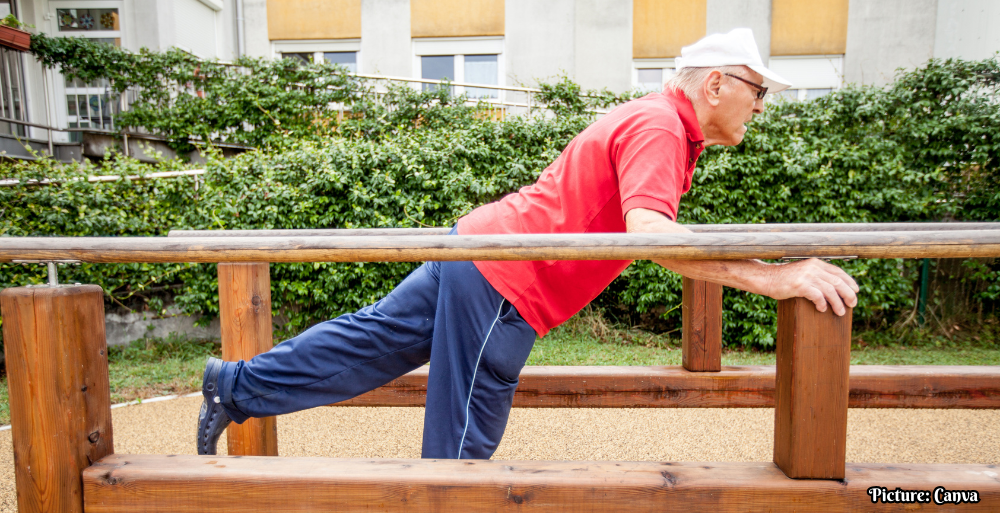
1. Hip Flexor Stretch: This exercise focuses on lengthening the hip flexors, which alleviates strain on the lower back. To perform, stand with one hand on a stable surface, step one foot back, and gently tuck the pelvis under. Hold this position for 20 to 30 seconds on each side.
2. Glute Bridge: Designed to activate the glutes, this exercise involves lying on your back with knees bent and feet flat. Push through your heels to lift your hips, forming a straight line from your knees to your shoulders. Hold briefly at the top before lowering back down. Aim for 10 to 12 repetitions.
3. Wall Angels: This movement helps correct rounded upper backs. Stand against a wall, raise your arms in a goalpost position, and slide your arms up and down while maintaining contact with the wall. Perform 8 to 10 slow slides.
4. Chin Tuck: To realign the head over the shoulders, either sit or stand tall and glide your head straight back to create a gentle double chin. Hold for a few seconds before releasing, repeating 8 to 10 times.
5. Standing Hip Hinge: This exercise teaches proper bending mechanics. Stand with your feet hip-width apart and knees slightly bent. Push your hips backward while keeping your back flat and lowering until you feel a stretch in your hamstrings. Aim for 8 to 10 repetitions.
Incorporating Movement into Daily Routines
Betts recommends integrating these exercises regularly into one’s daily routine, ideally spacing them throughout the day rather than attempting them all in one session. Engaging in movement every 30 to 45 minutes—such as taking short walks or stretching at your desk—can further mitigate the negative effects of extended sitting periods. He highlights that movement is crucial not only for reversing damage but also for preventing it from accumulating in the first place.
Expected Outcomes from Regular Exercise
Individuals who incorporate these exercises into their daily routines might notice improvements in flexibility and posture within the first week or two. This initial change is often attributed to the nervous system releasing tension rather than new muscle development. Over a longer period of four to six weeks, increased strength in the glutes and mid-back is likely, leading to improved posture that requires less conscious effort to maintain.
The Importance of Consistency
Reversing the physical effects of prolonged sitting is a gradual process that requires consistent effort. Betts emphasizes that establishing a habitual practice around these exercises is vital for long-term benefits, as the cumulative impact of regular movement plays a significant role in enhancing overall health. The exercises not only aim to correct existing issues but also serve as a preventive measure against future physical complications associated with sedentary lifestyles.
As sitting continues to dominate the daily routines of many, particularly among older adults, the importance of addressing its effects through targeted exercises cannot be overstated. By taking proactive steps to incorporate movement into their lives, individuals can mitigate the risks associated with prolonged sitting and improve their overall quality of life.


No Comment! Be the first one.