




N.I.H. Unveils World’s Largest Integrated Health Database, Expanding Horizons for Personalized Medicine

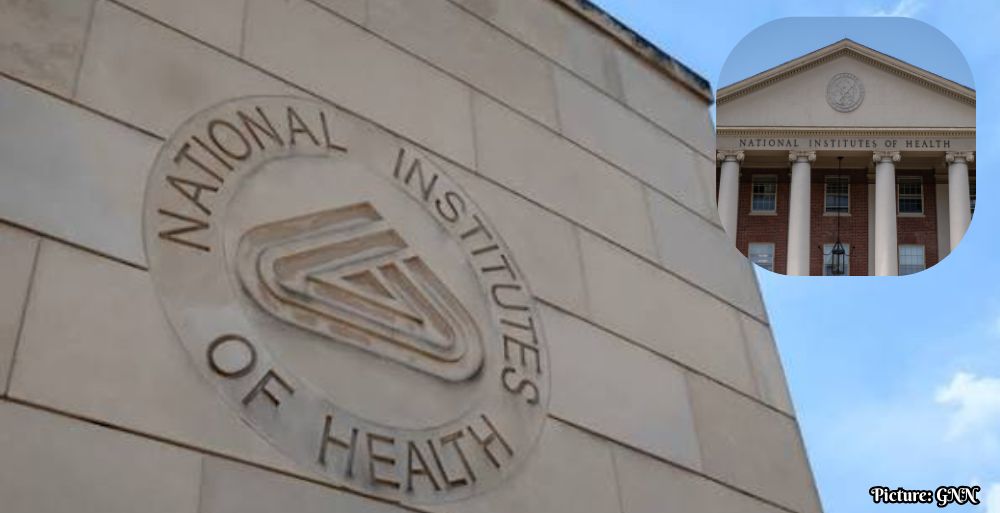
The National Institutes of Health has announced the launch of the world’s largest integrated health database, harnessing genomic data from over 747,000 participants to propel advancements in personalized medicine.
On June 30, 2026, the National Institutes of Health (N.I.H.) unveiled what is now recognized as the world’s largest health database, marking a transformative milestone in the realm of personalized medicine. The All of Us program, which was initiated in 2018, has successfully recruited over 747,000 participants from diverse backgrounds across the United States. This ambitious initiative combines genomic data with extensive clinical records and data sourced from wearable technologies, aiming to enhance research into the causes of diseases and their treatments.
This groundbreaking database comprises 535,000 whole genomes linked to 482,000 electronic health records (EHRs), which include critical information such as physicians’ notes, diagnoses, and test results. Additionally, it integrates health surveys that capture socioeconomic factors and location-based exposure data, such as air quality, offering a multifaceted view of health determinants. This comprehensive approach is designed to enable researchers to investigate the complex interplay between genetic predispositions and health outcomes across a diverse population.
Comparative Context with Established Genomic Repositories
The All of Us program stands in stark contrast to existing genomic databases, particularly the UK Biobank, which was established in the early 2000s and is widely regarded as a leading genomic repository. The UK Biobank includes genomic and health record data from approximately 500,000 participants, yet its composition is predominantly of individuals of white European ancestry. This homogeneity poses limitations on the applicability of research findings to other demographic groups.
The All of Us initiative, however, prioritizes diversity, actively recruiting participants from various racial and ethnic backgrounds. This commitment is crucial, as it enhances the relevance of research outcomes and broadens the understanding of how different populations experience health and disease. Alicia Martin, a statistical geneticist at the Broad Institute, emphasized this diversity, stating, “One of the most exciting components is its sheer diversity. That database offers forward-thinking opportunities to try to understand not just who is at risk of disease, but also who is more likely to progress or have some exacerbated health condition, and who is going to respond to specialized treatments.” Her insights underscore the potential for the All of Us database to inform personalized treatment strategies that are more inclusive and effective.
Funding Concerns and Future Viability
Despite the significant advancements represented by the All of Us program, the initiative faces pressing funding challenges. The program’s primary funding source, the 21st Century Cures Act, is set to expire at the end of the current fiscal year. Since 2023, the program’s budget has already experienced a dramatic reduction of 72%, raising concerns about the sustainability of its operations and the integrity of the data it has meticulously collected.
In light of these funding uncertainties, a coalition of over 50 medical organizations recently sent a letter to members of Congress, cautioning that without a new funding mechanism, much of the progress achieved could be jeopardized. The letter highlighted the vital role that the All of Us program plays in advancing medical research and improving health outcomes across diverse populations. It urged legislators to prioritize and secure funding for this critical initiative to ensure its ongoing success and impact.
The Transformative Potential of the All of Us Program
The All of Us initiative represents a pivotal shift in the landscape of biomedical research, providing an unprecedented resource for understanding the multifaceted nature of health and disease. By integrating genomic data with clinical insights and real-world health information, the program offers researchers unparalleled opportunities to tailor medical interventions to the unique needs of individuals.
The implications of this initiative extend far beyond mere data collection. By weaving together genetic information with clinical and environmental factors, the program aims to foster a deeper understanding of how various elements contribute to health disparities and disease progression. This holistic approach may pave the way for more effective public health strategies and personalized treatment plans that consider the intricate interplay of genetic and environmental contexts.
As the All of Us program continues to expand, the potential for breakthroughs in understanding the complexities of human health and disease remains immense. Researchers anticipate that the insights gained from this extensive database will lead to more accurate predictions of disease risk and the development of more effective, personalized treatment options in the future.
Looking Ahead: The Role of Policy in Sustaining Innovation
The launch of the All of Us program’s health database not only represents a significant scientific achievement but also highlights the essential role of policy in supporting ongoing research and innovation. The upcoming expiration of the 21st Century Cures Act serves as a stark reminder of the fragility of funding for scientific programs that hold the potential to revolutionize healthcare.
Advocates for the program maintain that sustaining such initiatives is critical to advancing public health, especially in an era where personalized medicine is becoming increasingly important. Policymakers are urged to recognize the value of investing in genomic research and health data integration, as these efforts are vital for addressing health disparities and tailoring treatments to diverse populations.
Ultimately, the success of the All of Us program will depend not only on the data it collects but also on the commitment of stakeholders at all levels—from researchers and healthcare providers to lawmakers and the public—to support and sustain this groundbreaking initiative.




No Comment! Be the first one.