





A comprehensive review of six nutrient-rich greens suggested by registered dietitians for promoting gut health, detailing their specific benefits and preparation methods.
In recent years, there has been a growing awareness of the significant impact diet has on gut health. Recognizing the vital role a diverse gut microbiome plays in overall health, registered dietitians have identified six specific vegetables that can greatly enhance digestive well-being. Spinach, kale, arugula, broccoli, Swiss chard, and dandelion greens have emerged as top recommendations for their nutritional profiles that support beneficial gut bacteria, encourage regular bowel movements, and combat inflammation.
The Importance of Gut Health
Gut health is increasingly acknowledged as a cornerstone of overall well-being, with numerous studies linking a balanced gut microbiome to improved immune function, mental health, and chronic disease prevention. Recent research published in Frontiers in Nutrition underscores the role of plant-based foods in fostering microbiome diversity. According to Maryann Walsh, RD, founder of Walsh Nutrition Consulting, the compounds found in these greens—particularly fiber, polyphenols, and flavonoids—are crucial in regulating the immune system and supporting gut health. The fiber content in leafy greens aids in the production of short-chain fatty acids, which help strengthen the gut barrier and exhibit anti-inflammatory properties.
Emily Mahadeo, DCN, RDN, emphasizes the importance of regular consumption of these greens, stating, “The gut microbiome is easily influenced and can begin to respond in as little as three to five days following dietary improvements.” To maximize gut health benefits, Walsh suggests aiming for at least one to two cups of greens each day, which can be easily incorporated into a variety of meals, from salads to pasta dishes.
Top Greens for Gut Health
When consulting with registered dietitians, the following six greens were highlighted as essential for promoting gut health:
Spinach
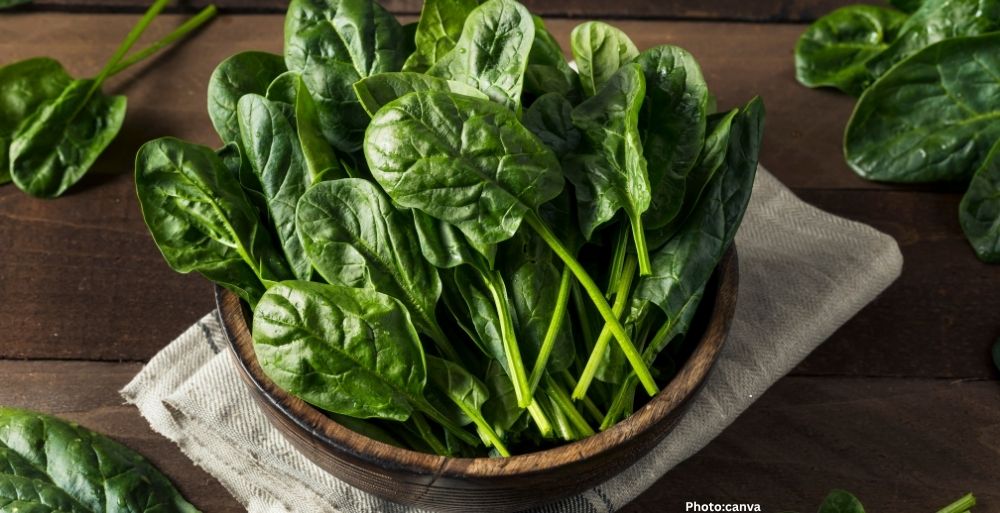
Spinach consistently ranks as one of the top greens recommended by dietitians due to its high concentration of nutrients, including prebiotic fiber and magnesium, which support gut motility. Walsh notes that spinach contains thylakoids—chloroplast membranes that can favorably shift gut microbiota composition. “Spinach is a great source of prebiotic fiber and magnesium, both of which are essential for maintaining digestive health,” explains Ashley Kitchens, MPH, RDN, a registered dietitian nutritionist at Plant Centered Nutrition. While both young and mature spinach offer similar nutritional benefits, baby spinach is slightly lower in oxalates, naturally occurring compounds that can interfere with mineral absorption. Mahadeo recommends lightly sautéing spinach to enhance nutrient availability, stating, “This method encourages you to eat more greens in one sitting while improving the absorption of certain nutrients.”
Kale
Often regarded as a nutrient powerhouse, kale is rich in vitamins A, C, K, folate, and glucosinolates, which are compounds linked to digestive regularity and reduced inflammation. Mahadeo highlights lacinato kale, also known as dinosaur kale, for its denser polyphenol content and slightly sweeter flavor. To optimize its texture and digestibility, she advises massaging the leaves with olive oil or lemon juice before consumption. This simple technique helps break down kale’s tough cell walls, making it easier to digest while enhancing the absorption of nutrients.
Arugula
Arugula, with its delicate leaves, is often overlooked but packs a serious nutritional punch. Part of the cruciferous family, arugula is abundant in glucosinolates and polyphenols, both of which are linked to improved gut health and lower levels of inflammation. Its distinctive peppery flavor is attributed to compounds that stimulate digestive secretions, making it particularly beneficial for individuals experiencing sluggish digestion or bloating. Mahadeo recommends consuming arugula raw to preserve its beneficial compounds, noting that mature arugula has a stronger flavor and higher glucosinolate concentration compared to baby arugula.
Broccoli
Although not a leafy green, broccoli’s high fiber content and nutritional density earn it a deserving spot on this list. Walsh highlights broccoli as one of the richest dietary sources of sulforaphane, a compound derived from glucosinolates that strengthens the gut barrier. “Sulforaphane supports the gut-liver axis, reduces H. pylori colonization, and has shown promise in reducing intestinal permeability, also known as leaky gut,” she explains. Broccoli is loaded with both soluble and prebiotic fiber, further supporting a healthy gut microbiome. Whether consumed raw in salads or roasted until crispy, broccoli is versatile and nutritious. Walsh also points out that frozen broccoli is an equally healthy option, as it retains most of its nutritional value when flash-frozen at peak ripeness.
Swiss Chard
Swiss chard is another excellent choice for gut health, containing both soluble and insoluble fiber along with betalains, powerful antioxidants known to reduce gut inflammation. Kitchens notes that both rainbow and regular Swiss chard are nutritionally comparable, allowing consumers to choose based on freshness and preference. Lightly sautéing Swiss chard can enhance its digestibility and nutrient absorption, making it a convenient addition to various dishes.
Dandelion Greens
Though less common in grocery stores, dandelion greens are a unique source of nutrition for gut health. “Dandelion greens are rich in inulin, a prebiotic fiber that selectively feeds Bifidobacterium, one of the most beneficial and well-studied groups of bacteria in the gut microbiome,” states Walsh. They also contain taraxacin, a bitter compound that stimulates bile production and supports fat digestion. When selecting dandelion greens, Walsh suggests choosing young, tender leaves for a milder taste. If the bitterness is off-putting, lightly sautéing them can help mellow the flavor while preserving their beneficial properties.
Incorporating these nutrient-dense greens into daily meals can lead to significant improvements in gut health and overall well-being. With insights from registered dietitians, individuals can take actionable steps toward enhancing their digestive health and enjoying the myriad benefits of a balanced diet rich in greens.






No Comment! Be the first one.