





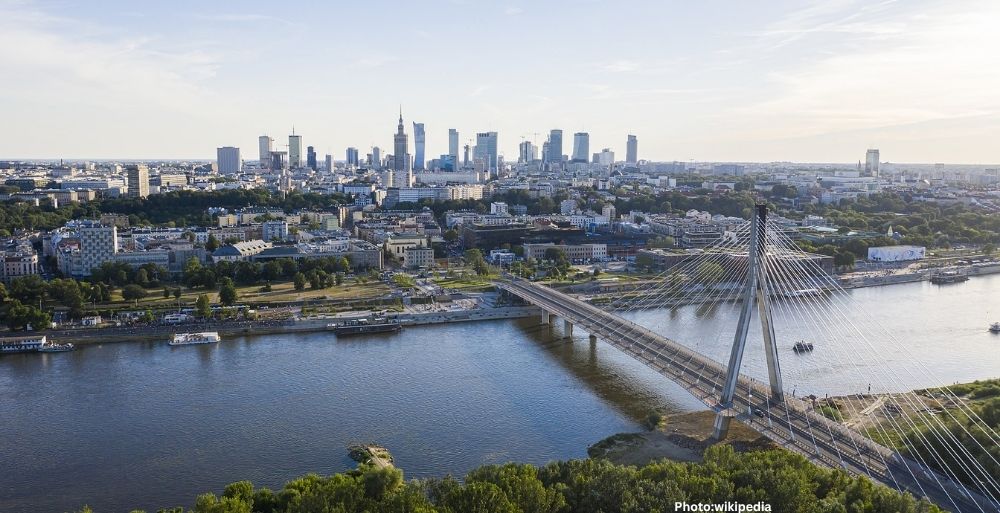
Over a third of households in Poland now consist of just one person, highlighting significant demographic and cultural shifts that could pose challenges for public policy in housing and care services.
Warsaw, Poland — According to a recent report from the Polish Economic Institute (PIE), the landscape of Polish households is undergoing notable changes, with single-person households now comprising 35% of all households, a significant increase from 22% in 2006. Concurrently, the proportion of households with children has decreased to 25% as of 2025, reflecting a broader trend that could reshape social policy in the coming years.
The PIE report indicates that while Poland’s overall population has been declining, the number of households has grown from 12.7 million in 2006 to an estimated 15.5 million by 2025, as per Eurostat data. This increase in households contrasts sharply with the diminishing number of children living in these homes; the share of households with children has fallen from 37% in 2006 to 25% in 2025.
Changing Household Dynamics
Despite an increase in the overall number of households, the demographic profile within them is shifting. For instance, the number of couples living together has risen from 36% to 40%. Notably, couples without children have seen a rise from 18% to 25%, indicating a trend toward later family formation or the decision to remain childless.
Additionally, the decline in births has been stark; data indicates that the number of births in Poland fell to approximately 238,000 in 2025, a significant drop from 374,000 in 2006. This trend contributes to concerns over the sustainability of population levels and the potential economic ramifications of an ageing populace.
Multigenerational and Elderly Living Arrangements
Historically, multigenerational households were common in Poland, but the PIE report notes a dramatic decrease in such living arrangements. In 2006, 15% of individuals aged 65 and older resided in homes with children, whereas this figure declined to just 6% in 2025. This shift still places Poland above the European Union average of 3% for multigenerational living arrangements.
As the demographic landscape shifts, the proportion of elderly individuals living alone has increased from under 10% to 13% over the same period. Young adults are also making changes: the share of people aged 18-24 living alone rose from 3.5% to 9%, while those living as couples increased from 6% to 11%.
Housing Pressures and Policy Implications
These demographic changes are accompanied by significant challenges for public policy, particularly in the areas of housing and elder care. The PIE report cautions that the transformation in household structures is likely to shift caregiving responsibilities from families to public institutions and the market for care services. Furthermore, the rising demand for residential independence is putting pressure on an already strained housing market.
Poland has experienced some of the fastest-rising housing costs in the European Union, with a notable increase of 19.3% in housing prices over the past year. Cities like Kraków have witnessed even steeper increases, with prices rising by 28.1%. In a comparative context, housing prices in Warsaw have now surpassed those in Rome, as highlighted by a recent Deloitte report.
The exacerbation of housing challenges is linked to a growing trend where over half (53%) of individuals aged 25-34 live with their parents, the fourth-highest level in the EU. This figure has risen by eight percentage points between 2018 and 2023, suggesting a reluctance among young Poles to enter the housing market or start families due to financial constraints.
Fertility Rates and Immigration
Poland’s fertility rate has plummeted, with the average number of children born per woman dropping to a record low of 1.07 in 2025. This figure is significantly below the replacement rate of 2.1 children per woman, raising alarms about the demographic sustainability of the nation. Experts link the declining fertility rate to limited access to affordable housing, which is deterring young couples from starting families.
Conversely, Poland has witnessed unprecedented levels of immigration, with approximately two million legal foreign residents now constituting about 5% of the population. This influx is one factor that may help mitigate some demographic decline, although it also presents its own set of challenges regarding integration and social services.
As Poland confronts these demographic shifts, the PIE report emphasizes the need for adaptive public policies that address the changing landscape of family structures, housing, and elder care. The implications of these trends are profound, potentially reshaping the fabric of Polish society and its economic future.





No Comment! Be the first one.