





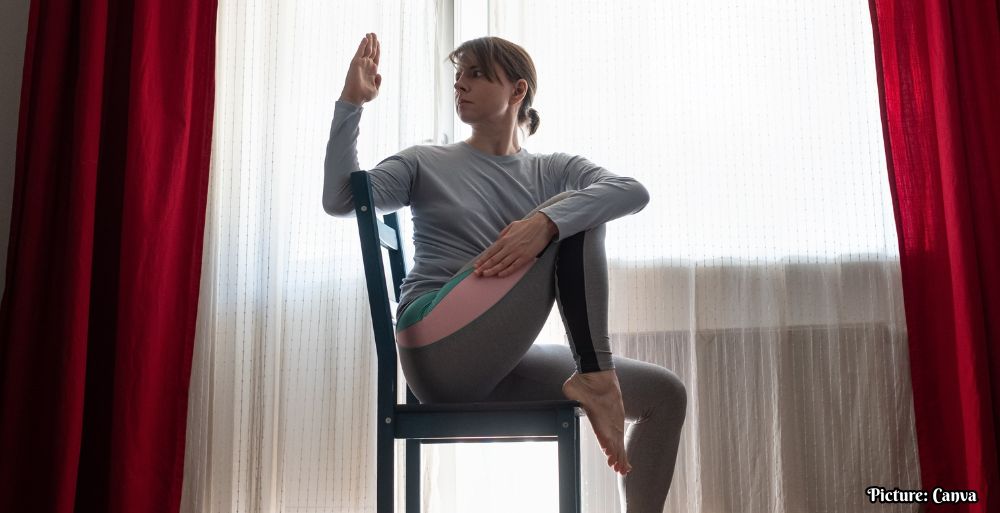
Chair yoga provides practical and accessible poses that can be practiced while seated, effectively addressing the physical strains of a sedentary lifestyle.
In today’s fast-paced, sedentary society, the prevalence of prolonged sitting has raised significant health concerns, from increased risk of cardiovascular disease to musculoskeletal issues. In response to this growing awareness, chair yoga has emerged as a practical solution, allowing individuals to incorporate yoga’s physical and mental benefits without the necessity of standing or extensive mobility. This adaptation of traditional yoga poses is especially beneficial for those who may find conventional yoga challenging due to physical limitations or workplace constraints.
Chair yoga poses are designed to be performed from the comfort of a standard office chair, making them easily accessible for individuals across various demographics. These poses not only help alleviate discomfort associated with extended periods of sitting but also promote relaxation, flexibility, and mindfulness, crucial elements in enhancing overall well-being. Here, we explore five foundational chair yoga poses that can seamlessly integrate into your workday.
1. Seated Easy Pose
The Seated Easy Pose, a foundational position in yoga, can be remarkably effective when adapted for a chair. To practice this pose, one should sit at the edge of the chair, ensuring that the back is straight and the feet are firmly planted on the ground, directly beneath the knees. This posture encourages engagement of the core and back muscles, fostering a sense of balance and ease. By focusing on the alignment of the spine and the grounding of the feet, practitioners can cultivate a mindful awareness that transforms ordinary sitting into a practice of presence.
2. Seated Eagle Pose
The Seated Eagle Pose modifies the traditional Eagle Pose by removing the balancing aspect, allowing participants to concentrate on opening the shoulders and upper back. To perform this pose, individuals can cross their legs and wrap their arms, raising their elbows to shoulder height. This gentle compression stimulates circulation and enhances flexibility in the upper body. Practitioners are encouraged to maintain an upright posture and deepen their breath, which further enriches the benefits of this stretch. This pose is particularly useful for those who spend long hours at desks, as it counteracts the tightness that can accumulate in the shoulders and upper back.
3. Seated Triangle Pose
Seated Triangle Pose serves as an effective antidote to the tension often experienced from extended sitting. By extending one leg while gently bending to the side, practitioners can stretch their side body and engage their core, providing relief to the lower back. This pose is especially beneficial for alleviating discomfort associated with prolonged sitting, which can lead to chronic pain if not addressed. Regular practice of the Seated Triangle Pose throughout the workday can help mitigate discomfort and promote overall well-being, encouraging individuals to be proactive about their physical health.
4. Seated Upward Salute
The Seated Upward Salute encourages upward extension of the spine and arms, promoting strength and flexibility in the upper body. Participants are encouraged to reach their hands overhead, either statically or with gentle sways, to fully engage the muscles of the arms and back. This pose invigorates the body and serves as a refreshing break from desk work. Furthermore, it can enhance focus and energy levels, making it an excellent choice for those moments when productivity begins to wane.
5. Seated Camel Pose
Finally, the Seated Camel Pose offers a gentle backbend that helps to counteract the common postural issues associated with prolonged sitting. By leaning back slightly and opening the chest, practitioners can energize their bodies while avoiding strain on the lower back. This pose effectively combats the “keyboard hunch” that many office workers experience, providing an uplifting and refreshing experience during the workday. Incorporating this pose can help individuals feel more open and less fatigued, enhancing their overall work performance.
In summary, chair yoga represents a significant advancement in making yoga accessible to a broader audience. As modern work environments often necessitate long hours of sitting, integrating these poses into daily routines can provide substantial health benefits. Not only do these exercises promote physical health, but they also cultivate mindfulness and stress relief, essential components of overall wellness.
Research supports the positive impacts of incorporating movement throughout the day, with studies noting that even short breaks for stretching and movement can improve focus and productivity. As chair yoga continues to gain traction, it highlights the importance of adapting traditional practices to meet the needs of diverse populations, ensuring that everyone, regardless of ability or circumstance, can benefit from the restorative practice of yoga. By embracing chair yoga, individuals can take proactive steps toward a healthier, more balanced work life.




No Comment! Be the first one.