



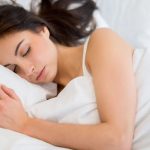


As interest in natural sleep aids grows, it is crucial to examine their effectiveness, safety, and regulation given the lack of FDA oversight on dietary supplements.
As sleeplessness becomes an increasingly common concern, many individuals are turning to natural sleep aids and herbal remedies in search of relief from insomnia. While some of these substances are believed to promote sleepiness, their efficacy, regulation, and safety vary significantly. This report explores several popular natural sleep aids, their mechanisms, and the scientific evidence supporting their use.
Melatonin: The Sleep Hormone
Melatonin, a hormone produced by the pineal gland in the brain, plays a key role in regulating the body’s circadian rhythms, including the sleep-wake cycle. The hormone’s levels typically rise in the evening, peaking just before bedtime. Research indicates that melatonin may enhance sleep quality by reducing sleep latency—the time it takes to fall asleep—and increasing overall sleep duration.
Studies have shown that melatonin can be beneficial for various populations, including healthy individuals and those experiencing jet lag. Current research is also exploring its potential effects on sleep disturbances in the elderly and individuals with depression. However, it is important to note that melatonin, like many dietary supplements, is not regulated by the FDA, meaning manufacturers are not required to demonstrate safety or efficacy before marketing their products.
Common dosages in studies have ranged from 0.1 to 0.3 milligrams, with some experts suggesting that fast-release formulations may be more effective than slow-release versions. While short-term use (less than three months) appears safe for most people, some individuals report side effects such as grogginess and disturbances in sleep patterns.
Valerian Root: A Popular Herbal Remedy
Valerian is another commonly used natural remedy for anxiety and insomnia. Despite its popularity, the evidence supporting valerian’s effectiveness remains inconclusive. According to the Natural Medicines Comprehensive Database, there is insufficient proof to confirm that valerian is effective in treating insomnia.
Some studies suggest that valerian may reduce the time it takes to fall asleep and improve sleep quality, especially when used over a longer period, such as four weeks. However, other research indicates that its benefits may not be significantly greater than those of a placebo. Most users report no morning grogginess, but some experience side effects, including headaches and a “hangover” feeling. Caution is advised when combining valerian with alcohol or sedatives due to its potential sedative effects.
Chamomile: A Traditional Sleep Aid
Chamomile has been utilized for centuries as a natural sleep remedy, known for its anti-inflammatory and antibacterial properties. German chamomile is often consumed as tea, while Roman chamomile can be used in tincture form. Despite its long history of use, the Natural Medicines Comprehensive Database states that there is insufficient evidence to confirm its effectiveness in treating insomnia.
Kava: A Cautionary Tale
Kava, an herbal remedy traditionally used to alleviate stress and anxiety, has gained attention for its sedative properties. However, recent reports from Europe have raised concerns about the safety of kava, with documented cases of liver toxicity, cirrhosis, and hepatitis linked to its consumption. The conflicting research surrounding kava’s effectiveness and safety has led many experts to recommend caution when considering its use.
Tryptophan and 5-HTP: The Amino Acids
Tryptophan, an amino acid that serves as a precursor to serotonin, has been studied for its role in sleep induction. Although historically linked to drowsiness from consuming warm milk, there are concerns over its safety as a supplement. Some individuals who took tryptophan developed eosinophilia-myalgia syndrome (EMS), a serious health condition, highlighting the risks associated with unsupervised supplementation.
5-HTP (5-hydroxytryptophan), a derivative of tryptophan, is also marketed for its potential to increase serotonin levels. While some research suggests it may help alleviate symptoms of depression and anxiety, the evidence supporting its use specifically for insomnia remains limited.
Passionflower and Hops: Emerging Natural Remedies
Passionflower, another natural sleep remedy, has been used for anxiety and sleep disturbances. Initial studies suggest it may have calming effects similar to benzodiazepines, though more research is needed to establish its efficacy. Hops, commonly associated with beer, have also been suggested to promote sleep, but the scientific community has yet to reach a consensus on its benefits.
Conclusion: Navigating Natural Sleep Aids
While many natural sleep remedies offer promising benefits, they are not without risks. The lack of pre-market evaluation and approval by the FDA for dietary supplements raises concerns about the consistency and safety of these products. Variability in dosing and the potential for side effects necessitate caution, especially for vulnerable populations such as children and the elderly.
Individuals interested in exploring these natural remedies should consult healthcare professionals to discuss their potential benefits and risks. Understanding the intricacies of these substances is essential to making informed decisions regarding sleep health.




No Comment! Be the first one.