





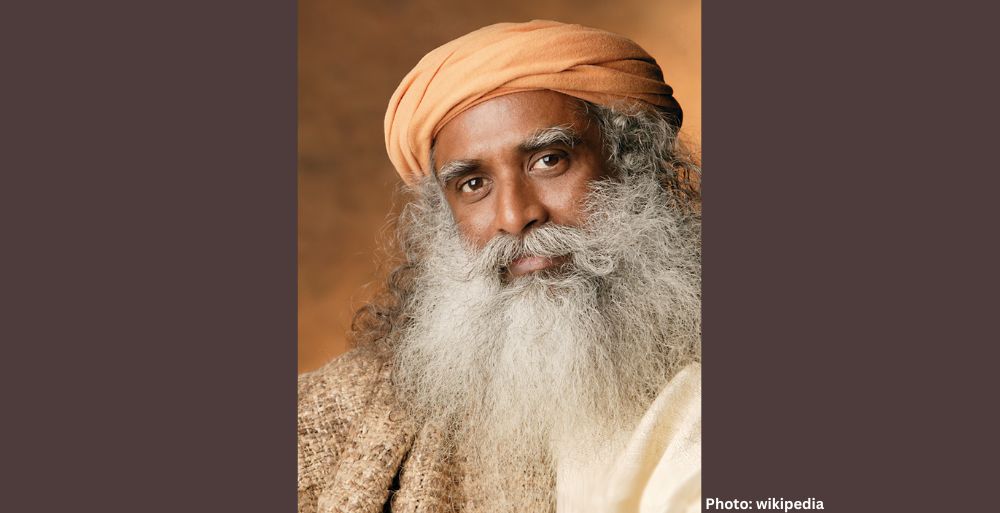
Kundalini Yoga, revered for its potential in spiritual growth, is characterized by its intense power and the necessity of expert guidance, according to spiritual leader Sadhguru.
Kundalini Yoga has gained significant traction among individuals seeking deeper meditation and spiritual growth practices. Recently, Sadhguru, the founder of the Isha Foundation, articulated his views on this form of yoga, describing it as both the most potent and potentially dangerous practice within the yogic traditions. His insights underscore the importance of preparation, discipline, and proper guidance for practitioners.
Understanding Kundalini Yoga
In yogic philosophy, the term ‘Kundalini’ refers to a dormant inner energy that remains largely unrecognized until awakened. Sadhguru likens this energy to a coiled snake, symbolizing the untapped potential within every individual. According to his teachings, Kundalini Yoga is designed to facilitate the awakening of this energy through a structured and disciplined process.
However, it is crucial to note that these concepts are rooted in spiritual philosophy rather than empirical science. Sadhguru emphasizes that the body does not possess a measurable energy system in the way one might quantify electrical energy or other physical phenomena.
The Potency of Kundalini Yoga
Sadhguru’s comparison of Kundalini Yoga to electricity serves to highlight its dual nature. Just as electricity is a powerful tool that can enhance daily life but poses risks if mishandled, Kundalini Yoga requires a similar level of caution and respect. He argues that engaging with such powerful techniques necessitates a foundation of discipline and expert instruction, reflecting his own yogic teachings rather than an established hierarchy of yoga practices.
The Need for Expert Guidance
A critical aspect of Sadhguru’s message is the warning against attempting to awaken Kundalini without adequate preparation of the body, mind, and emotions. He stresses that advanced practices should only be undertaken with ongoing guidance and in a supportive environment. Sadhguru advises those interested in exploring Kundalini Yoga to first familiarize themselves with the tradition, rather than jumping into intense practices or techniques found online. He advocates for seeking qualified instructors who can provide necessary insights and precautions related to the practice.
Importantly, Sadhguru notes that individuals do not need to pursue intense spiritual experiences to derive benefits from yoga or meditation. A consistent, moderate practice can yield significant positive effects on overall well-being.
Kundalini and the Chakra System
A vital component of Kundalini Yoga is its connection to the chakra system, which traditionally identifies seven major energy centers along the body’s central axis. Sadhguru explains that the movement of Kundalini energy is often linked with these chakras, using an analogy of a power source and an electrical connection to illustrate how yoga prepares practitioners to access this inner potential. However, similar to the concept of Kundalini, the chakra system also resides within the realm of yogic philosophy and does not correspond to scientifically verified anatomical structures.
Safety for Beginners
For those new to yoga, Sadhguru strongly advises against attempting to force a Kundalini awakening or imitating advanced techniques without proper guidance. Beginners are encouraged to start with practices that match their experience level and seek instruction from qualified instructors before exploring specialized methods. While Kundalini Yoga presents an intriguing avenue for spiritual exploration, Sadhguru’s central message remains clear: understand the practice, respect its demands, and approach it with caution.
Implications for Practitioners
The implications of Sadhguru’s teachings extend beyond individual practice. As interest in Kundalini Yoga grows, it raises questions about the accessibility and commercialization of such spiritual practices. Many individuals may encounter various interpretations of Kundalini Yoga, especially in a digital age where online resources can lead to misinformation or inadequate guidance. Sadhguru’s emphasis on the need for expert mentorship serves as a reminder of the potential risks involved in practicing without a solid foundation.
Furthermore, his perspective highlights a broader conversation within the yoga community regarding the ethical responsibility of instructors. With a growing number of yoga teachers and online courses, ensuring that practitioners receive safe and informed instruction is paramount. This can involve a commitment to ongoing education for instructors to ensure they are equipped to guide students through the complexities of Kundalini Yoga.
The Balance of Spirituality and Safety
Ultimately, the pursuit of spiritual experiences through practices like Kundalini Yoga must be balanced with an understanding of safety and proper technique. Sadhguru’s guidance encourages potential practitioners to cultivate a relationship with their practice that prioritizes well-being over intensity. This approach ensures that individuals can explore their spirituality responsibly, without compromising their mental or physical health.
In conclusion, Kundalini Yoga offers a profound subject for those eager to delve into spiritual practices. However, as Sadhguru articulates, engaging with this potent form of yoga necessitates a commitment to preparation, discipline, and proper mentorship to ensure a safe and meaningful journey.





No Comment! Be the first one.