




A newly developed PTSD treatment using personalized brain stimulation has received FDA clearance, showing a 68% remission rate in clinical trials and offering hope to millions affected by the disorder.
A new treatment for post-traumatic stress disorder (PTSD) has been granted FDA clearance, representing a potential breakthrough for individuals who have not found adequate relief through existing therapies. The technology, developed by Wave Neuroscience in collaboration with the Texas A&M Health Institute of Biosciences and Technology, employs brain activity measurements to deliver targeted magnetic stimulation.
Preliminary results from early clinical trials have demonstrated promising outcomes, with Wave Neuroscience reporting a 52% reduction in PTSD symptoms among participants, and a notable 68% achieving remission. While these findings are still being finalized for public release, researchers are optimistic that this innovative approach could significantly broaden treatment options for millions of individuals suffering from PTSD.
The Urgent Need for Effective PTSD Treatments
The demand for more effective PTSD care is critical. Statistics indicate that approximately 17.5 veterans in the United States die by suicide each day, with about 7% of veterans diagnosed with PTSD annually. PTSD often arises after traumatic events, including military combat, serious accidents, natural disasters, or acts of violence. The National Center for PTSD estimates that around 6% of Americans will experience PTSD at some point in their lives, with women and veterans exhibiting higher prevalence rates.
Since PTSD was first recognized as a formal diagnosis in 1980, treatment modalities have predominantly revolved around psychotherapy and medications such as selective serotonin reuptake inhibitors (SSRIs) like sertraline and fluoxetine. While these treatment options can provide some relief, many patients continue to struggle with persistent symptoms. A 2020 review of PTSD medications revealed that reported improvements on symptom assessments ranged from 6.8 to 10.1 points, yet remission rates peaked at only 10.9%.
In contrast, Wave Neuroscience’s clinical trial outcomes indicate a significant advancement. Dr. Erik Won, the company’s chief medical officer, characterized the results as a major leap forward compared to traditional medication efficacy. “In comparison to that study, our FDA trial reported a 52% reduction in symptoms, so more than a four-fold increase in efficacy. And more importantly, we saw 68% remission in our clinical trial. So, it’s really a quantum change, an inflection point in what we can offer to patients. From a clinical care perspective, that’s really meaningful,” Won stated.
Understanding Magnetic e-Resonance Therapy
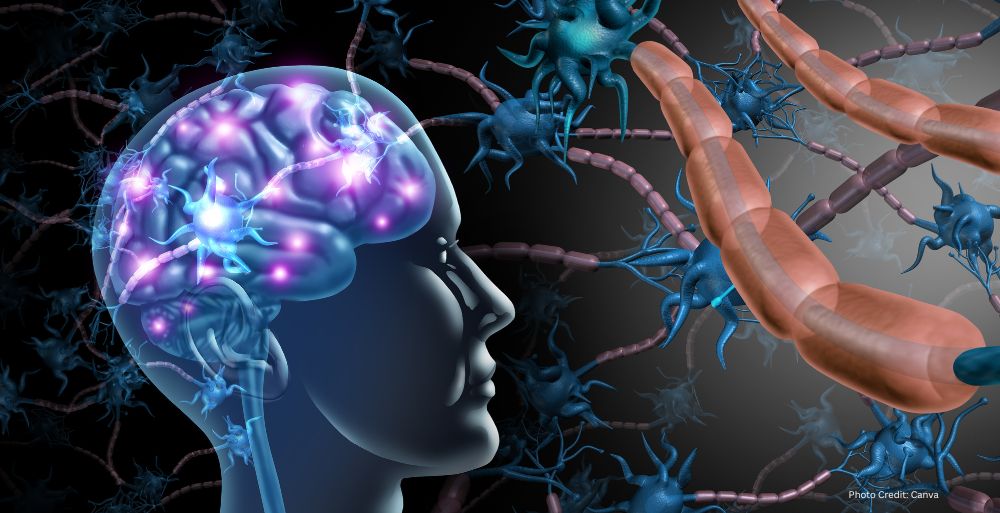
The newly cleared system utilizes Magnetic e-Resonance Therapy (MeRT), which intricately combines brain activity measurements with targeted magnetic stimulation. The process begins with an electroencephalogram (EEG) that captures electrical signals from the brain, which then informs a personalized treatment plan using transcranial magnetic stimulation (TMS).
During TMS, a coil placed against the scalp delivers magnetic pulses designed to stimulate brain activity. This technique has previously been utilized to treat other psychiatric conditions, particularly treatment-resistant depression. What sets MeRT apart is its incorporation of an AI-assisted algorithm that customizes stimulation protocols based on individual brain activity, rather than relying on a one-size-fits-all approach.
Dr. Kenneth S. Ramos, a physician-scientist at Texas A&M Health with a focus on precision medicine, played a pivotal role in guiding the research. His emphasis on tailoring medical care to the unique characteristics of each patient underscores the need for personalized interventions in addressing PTSD. “Most clinical interventions for the treatment of PTSD do not work very well. So, this is a huge area where identifying interventions that could hopefully add quality of life to the people impacted by this disorder would be tremendously impactful,” Ramos remarked.
The Regulatory Journey to FDA Clearance
The journey to FDA clearance was marked by significant milestones, including the receipt of the FDA Breakthrough Device designation in 2024. Dr. Rick Silva, executive director of clinical trials at the Texas A&M Health Institute of Biosciences and Technology, explained that this designation facilitates the expedited review of promising technologies while maintaining rigorous scientific standards. Silva noted that the project, which began during the COVID-19 pandemic, navigated the regulatory process unusually swiftly, achieving clearance in just over two years—a process that typically spans around a decade.
“I’ve been involved in probably close to 1,000 projects in academic medical centers over the years at varying degrees of depth and detail. Patients are why I do what I do. It’s hard, and the failure rate is high, and it’s a lot of work. But when you get to a point where something is going to benefit patients, it’s very professionally gratifying and personally gratifying in many ways as well,” Silva said.
A New Non-Medication Treatment Option
Dr. Israel Liberzon, a distinguished professor of psychiatry and behavioral sciences at the Texas A&M Naresh K. Vashisht College of Medicine and the lead psychiatrist for the study, emphasized the significance of MeRT as a new non-medication treatment option for PTSD. Currently, the FDA has approved only two medications specifically for PTSD, both of which are SSRIs. Liberzon indicated that MeRT represents a notable expansion of treatment options, stating, “This is the first time that in addition to the medication, we have a non-medication option. There is psychotherapy that people use for PTSD, but psychotherapies require a lot of effort. People must participate actively, and many drop out because it’s too anxiety provoking. So now we have a unique alternative.”
Throughout the clinical trial, participants engaged in five treatment sessions each week over a span of five to six weeks. Researchers observed that improvements in PTSD symptoms continued to persist after the treatment sessions concluded, indicating that the benefits of this innovative therapy may extend beyond the duration of active treatment.
Potential for Broader Applications in Mental Health
This new method of personalized brain stimulation holds the promise of serving as an alternative for patients who face challenges with medication side effects or have difficulties completing psychotherapy. Dr. Won highlighted the transformative potential of this technology, stating, “People living with PTSD have been left with trial-and-error treatment, medications and their side effects, and limited outcomes—even when treated by the most dedicated and experienced physicians. Wave’s FDA clearance signals a fundamentally different future: one in which PTSD can be objectively evaluated, precisely treated and meaningfully healed.”
Looking ahead, Dr. Leslie S. Prichep, chief scientific officer at Wave Neuroscience, envisions that the FDA clearance of MeRT could revolutionize mental healthcare. “The FDA clearance of the MeRT System reflects decades of scientific research using electrophysiological biomarkers in identifying abnormal brain activity profiles and guiding personalized intervention strategies. We believe this represents an important advancement toward a more objective, data-informed model of mental healthcare,” Prichep stated.
Wave Neuroscience and Texas A&M Health are collaborating with various stakeholders to ensure that this innovative treatment becomes widely available and accessible, including efforts to secure insurance coverage. Dr. Won expressed hopes that this research could catalyze further developments in personalized medicine, saying, “This is proof positive that population-scale personalized medicine is not just an aspirational goal but is an achievable reality today.” The initiative reflects a concerted effort to improve the lives of those affected by PTSD, particularly veterans, as articulated by Dr. Ramos, who noted Texas A&M’s longstanding commitment to military and veteran support. “Anything we could do to help alleviate that problem is going to go a long way towards making a difference in the individual’s life as well as the people who are close to them,” he added.




No Comment! Be the first one.