





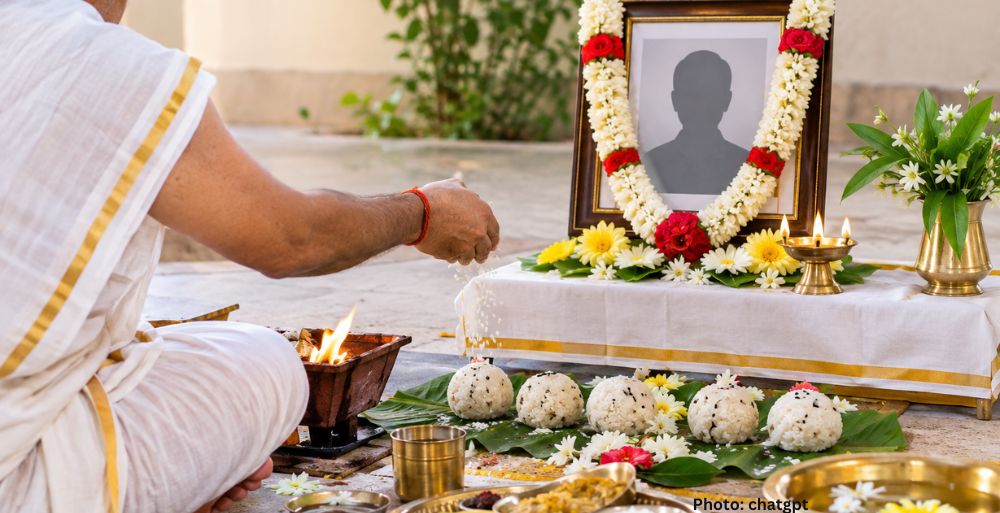
As Shradh approaches, it serves as a poignant reminder for individuals to reflect on their lives, the legacies they create, and the attachments they hold, emphasizing the importance of cleansing the soul for future journeys.
As the festival of Shradh unfolds, many engage in rituals to honor the memories of loved ones who have passed away. This period, rooted deeply in Hindu tradition, is not only a time for remembrance but also a unique opportunity for personal introspection and spiritual cleansing. Observed during the lunar month of Pitru Paksha, Shradh encourages individuals to reflect on their actions and their implications for the soul’s journey beyond this life.
The Essence of Shradh
Shradh is steeped in cultural significance, providing a structured occasion for individuals to pay respects to ancestors. It is believed that during this time, the souls of the departed return to earth, making offerings of food and prayers essential. These acts are performed with the intent of ensuring peace for the departed souls and to express gratitude for their contributions to the lives of the living.
However, beyond the rituals, Shradh invites a much deeper contemplation. It prompts individuals to consider the sanskars—habits or impressions—that they cultivate throughout their lives. As individuals ponder the legacies they will leave behind, they are urged to think about what they will carry into their next life.
The Journey of the Soul
A central tenet of the Shradh observance is the belief that while material possessions, relationships, and physical bodies are left behind at death, the sanskars and karmas of a person persist. These elements are thought to shape one’s future existence. For instance, the contrasting personalities of siblings born to the same parents can often be attributed to the sanskars carried from previous lives. This belief emphasizes the importance of the actions and choices made in one’s current life.
As such, individuals are encouraged to reflect on the kind of person they wish to be in future incarnations. Would one prefer to emerge as a peaceful and content individual, or are they resigned to carry forward anger and jealousy? The choices made today are believed to have lasting impacts on the soul’s evolution.
Preparing for the Future
In a world preoccupied with material achievements—wealth, status, and possessions—Shradh serves as a critical reminder of the importance of spiritual preparation. The festival urges individuals to engage in self-reflection regarding what they will carry forward after their physical existence ends. It raises essential questions about emotional baggage, urging individuals to consider if they are ready to transition with a clean and light soul.
Imagining a scenario where one has only a few hours left in this life can be a powerful motivator for change. Would one choose to hold onto past grievances, or would they opt for forgiveness and release? The ethos of Shradh resonates with other spiritual observances such as Navratri and Diwali, which similarly emphasize the importance of mental and spiritual cleansing.
The Importance of Letting Go
One of the most profound lessons of Shradh is the necessity of detachment. When individuals lose loved ones, they often reflect on what these souls have taken with them. This contemplation encourages a deeper understanding of true detachment—a state of being free from emotional entanglements. Many people carry grudges and unresolved conflicts, which can weigh heavily on their souls.
A parable illustrates this idea: a woman who clung to her craving for Gol Gappe (a popular snack) symbolizes how even trivial attachments can hinder spiritual progress. The narrative underscores the challenge of leaving behind unresolved issues and the burden of emotional baggage. To achieve a state of readiness for departure, individuals must let go of attachments while still alive, facilitating a lighter, more peaceful transition.
Embracing the Spirit of Navratri
As the festival of Navratri approaches, individuals are presented with an excellent opportunity to cleanse their sanskars further. These days leading up to the festival can serve as a period of reflection—an ideal time to release past hurts and conflicts. Forgiveness, whether directed at oneself or others, is pivotal in this process.
Retaining negativity only serves to harm oneself, creating a heavy burden that can carry over into subsequent lives. Conversely, letting go can be as simple as a conscious decision: “I choose to release this. It’s over.” This mindset can significantly lighten the soul, preparing it for future journeys.
Practical Steps for Reflection
Individuals are encouraged to engage in daily reflections regarding their current sanskars, assessing the habits and behaviors they wish to carry into future lives. Letting go of resentments is crucial, as holding onto grievances serves only to weigh down the spirit. Daily practices of forgiveness and gratitude can help maintain a peaceful and light soul, ensuring readiness for the inevitable transition from this life.
In conclusion, Shradh is more than a mere remembrance of the deceased; it is a profound invitation to engage in self-reflection, spiritual cleansing, and preparation for the journey ahead. By examining our actions and choices, we can cultivate a lighter, more peaceful existence, both now and in the lives to come.

No Comment! Be the first one.