




UNESCO Reports 2.4 Million Afghan Girls Excluded from Education Five Years After Taliban Takeover

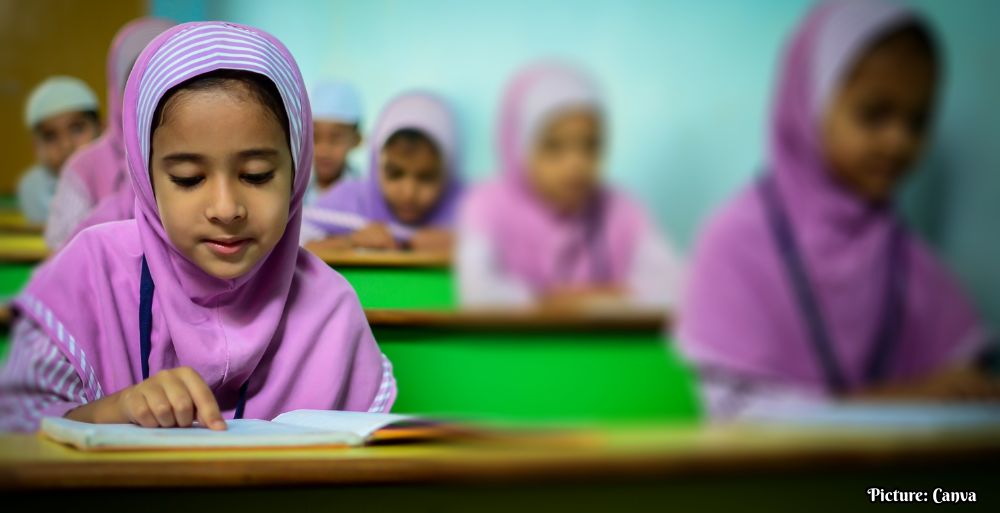
An estimated 2.4 million Afghan girls remain excluded from secondary education five years after the Taliban’s return to power, with UNESCO reiterating calls for the restoration of their educational rights.
ANKARA, Turkey — Five years after the Taliban regained control of Afghanistan on August 15, 2021, an estimated 2.4 million Afghan girls remain barred from accessing secondary education, according to a report from the United Nations Educational, Scientific and Cultural Organization (UNESCO) released on Tuesday. This continued exclusion highlights a grave violation of fundamental human rights, spurring renewed international calls for the urgent restoration of educational rights for women and girls in the country.
Hoda Jaberian, UNESCO’s program coordinator for education in emergencies, stated in a video conference, “Afghanistan remains the only country in the world where girls and women are formally banned from secondary and higher education.” She emphasized that the five-year absence of educational opportunities is not merely a temporary setback; it equates to nearly an entire secondary school cycle, significantly disrupting the lives and futures of countless young women.
Background on Education in Afghanistan
The Taliban’s strict policies on education began shortly after their takeover, when they initially barred girls from attending secondary schools. This ban was later extended to higher education and employment, effectively excluding women and girls from public life and participation. The situation has drawn widespread condemnation from various international bodies, including the United Nations, humanitarian organizations, and human rights advocates, all of whom have repeatedly implored the Taliban to reverse these bans. Nevertheless, the Taliban has maintained that the issue is a domestic matter, dismissing external pressure as unwarranted interference.
Jaberian pointed out the significant regression in educational access for girls, reflecting on the progress made prior to the Taliban’s return to power. In 2001, following the U.S.-led invasion, access to education for girls was severely restricted, with many women unable to attend school. However, by 2021, nearly 1 million girls were enrolled in secondary education, marking a substantial advancement in gender equality and educational access. The reversal of this progress under the Taliban is both stark and troubling, Jaberian noted.
UNESCO’s Ongoing Initiatives
In light of these challenges, UNESCO has continued to support educational initiatives in Afghanistan, albeit in a constrained environment. The organization implements community-based education programs, literacy, and skills development initiatives designed to circumvent the restrictions imposed by the Taliban. These programs often take place in community spaces, including private homes of literacy facilitators, with the knowledge and tacit approval of local authorities. More than 1,000 literacy facilitators, many of whom have received training from UNESCO and its partners, are actively involved in these efforts.
“While the restriction remains, we cannot abandon Afghan learners,” Jaberian remarked, underscoring UNESCO’s commitment to working with local communities and partners to create and preserve every possible pathway to learning for Afghan children. This approach aims to ensure that education continues, even in the face of severe governmental restrictions.
The Broader Implications for Afghan Society
The exclusion of Afghan girls from education is emblematic of broader issues related to human rights and gender equality under Taliban rule. The repercussions of denying educational opportunities for girls extend beyond individual lives; they have the potential to affect the overall stability and development of Afghan society. A generation of girls deprived of education could lead to long-term socio-economic consequences, including increased poverty, limited workforce participation, and a diminished potential for political and social engagement.
Moreover, the international community’s response to these developments will likely shape the future of education in Afghanistan and the rights of women and girls. As the Taliban continues to consolidate its control, global calls for the restoration of educational rights for girls highlight the urgency of addressing this fundamental human rights issue. The future of Afghan girls’ education remains uncertain, and the international community’s engagement will be crucial in influencing the Taliban’s policies.
Conclusion
The ongoing situation for Afghan girls and their educational opportunities remains precarious. The long-term implications of such educational exclusion could have far-reaching consequences, not just for Afghan society but also for regional stability and international relations. As international organizations like UNESCO continue to advocate for educational access, the hope remains that diplomatic efforts and public pressure will lead to a change in the Taliban’s policies, allowing Afghan girls to reclaim their right to education and contribute to their society’s future.





No Comment! Be the first one.