




Head-to-Knee Pose, or Janu Sirsasana, offers significant physical and psychological benefits, but improper practice can lead to lower back pain due to structural and functional weaknesses. Understanding the correct technique is essential for safe practice.
Yoga practitioners and enthusiasts have long recognized the Head-to-Knee Pose, known in Sanskrit as Janu Sirsasana, for its multifaceted benefits. However, as with any physical practice, awareness of proper form and technique is crucial to avoid injury. This article delves into the complexities of this pose, highlighting its advantages while cautioning against potential pitfalls.
Understanding the Pose and Its Historical Context
The Head-to-Knee Pose first gained recognition in the yoga community through various teachings and has been a staple in yoga practice since the late 20th century. Its roots can be traced back to ancient practices that emphasized the importance of alignment and breath. The pose is designed to promote flexibility in the hamstrings and hips while encouraging a sense of calm and introspection.
Structural Considerations and Risks
One of the primary concerns associated with Janu Sirsasana is the structural integrity of the lumbar spine. The lumbar region, which is crucial for supporting the upper body, lacks the same level of ligamentous support found in other areas of the spine. This deficiency makes the lumbar spine particularly susceptible to strain, especially when practitioners round their backs excessively during the pose.
When the lumbar spine is rounded, the ligaments that provide essential support can become overstretched. Over time, this can lead to chronic lower back pain, a common ailment among modern populations often exacerbated by prolonged sitting in poorly designed chairs. Unlike the straight-backed chairs of previous generations, contemporary seating options often encourage slouching, further compromising spinal health.
Functional Weakness and Habitual Patterns
The challenge of practicing Head-to-Knee Pose correctly is compounded by habitual patterns ingrained from daily life. Many individuals unconsciously bend forward from the lower back rather than the hips, which can lead to improper alignment and increased risk of injury. To mitigate this issue, practitioners are encouraged to focus on hinging from the hips and maintaining a straight spine throughout the practice.
Instruction on proper technique emphasizes the importance of the pelvis moving forward over the hip joints, allowing the spine to remain elongated. Visualizing this movement can significantly enhance the quality of the pose, transforming it from a potential source of pain into a pathway for greater awareness and connection to self.
Psychological and Spiritual Dimensions
Beyond its physical benefits, Janu Sirsasana can also serve as a vehicle for psychological health. The pose embodies concepts found in Eastern spirituality, such as the mandala, which symbolizes unity and wholeness. In yoga, this is reflected in the practice of asanas that create circular movements, thus facilitating a deeper internal connection.
Practitioners often find that by completing the circular form of the pose, they are led to a more inward-focused state of mind. This introspection can enhance the meditative aspect of yoga, allowing individuals to explore the dualities within themselves—such as the interplay between masculine and feminine energies. Notably, these themes resonate with the broader human experience, as articulated in the works of renowned mythologist Joseph Campbell.
Guidelines for Safe Practice
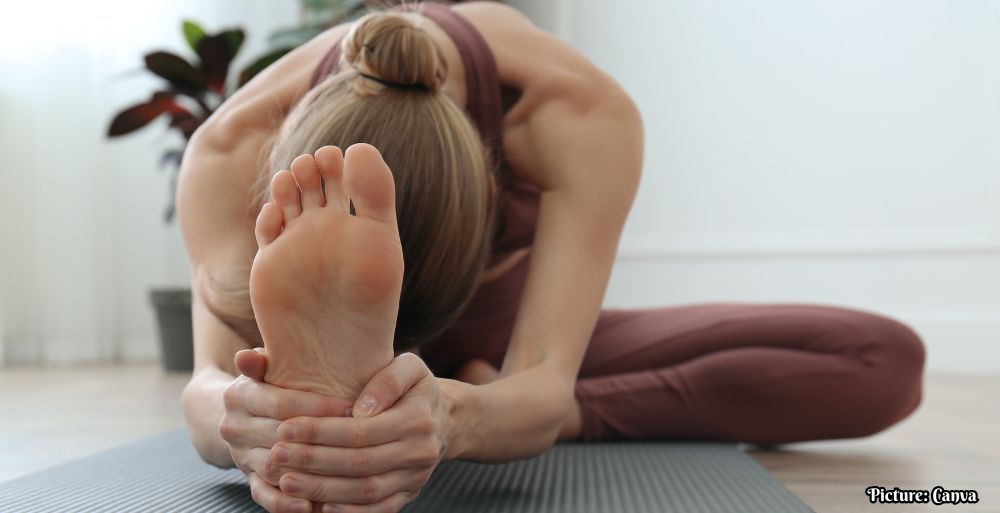
To practice Head-to-Knee safely and effectively, it is essential to follow specific guidelines. First, practitioners should begin by sitting on a firm surface with a folded blanket for added comfort. The legs should be extended straight in front, with one knee bent and the foot placed next to the opposite thigh.
As practitioners engage in the forward fold, it is vital to keep the spine long and avoid rounding the back. Utilizing the hands to assist in lifting the spine can help maintain proper alignment. Additionally, it is advisable to keep the straight leg firmly on the ground to facilitate a balanced stretch.
Engaging in this pose requires a gentle approach, allowing the body to explore its limits without forcing movement. Maintaining a relaxed breath throughout the practice is equally important. As practitioners become more comfortable with the pose, they may gradually increase the duration of the hold, ideally aiming for 30 to 60 seconds.
The Importance of Awareness in Practice
The essence of Head-to-Knee Pose lies in its ability to foster greater self-awareness and wholeness. As practitioners navigate the complexities of the pose, they can use it as a benchmark for understanding their own physical limitations and progress. Rather than focusing solely on achieving a deep stretch, the intention should be to cultivate an awareness of the body’s movements and sensations.
In conclusion, while Head-to-Knee Pose offers numerous benefits for both the body and mind, it is essential for practitioners to approach the pose with care and mindfulness. By understanding the structural and functional aspects of the pose, individuals can harness its potential for healing and self-discovery, avoiding the common pitfalls associated with improper practice.




No Comment! Be the first one.