





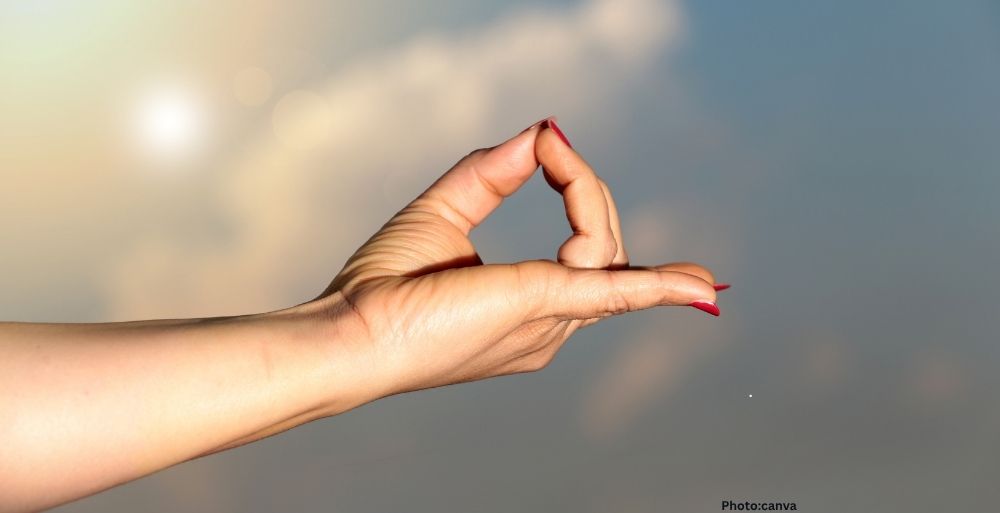
Yoga mudras are hand gestures that can aid in achieving restful sleep by promoting relaxation and focus, making them a valuable addition to bedtime routines.
In recent years, the intersection of traditional yoga practices and modern wellness strategies has garnered attention, particularly in the realm of sleep improvement. One such method is the use of mudras, or hand gestures, which are integral to Indian yoga and Ayurveda. These gestures serve to enhance breath awareness and promote the flow of prana, or life energy, in the body. This article explores five specific yoga mudras that can aid in achieving better sleep, detailing their application and benefits.
Understanding Mudras
A mudra is defined as a symbolic hand gesture that is believed to influence energy flow within the body and mind. By providing a focal point for attention, mudras can help individuals transition from a state of mental agitation to one of calmness, which is particularly beneficial when preparing for sleep. Research suggests that combining mudras with slow, deliberate breathing can enhance their calming effects, making them a pragmatic addition to one’s nighttime routine.
Five Mudras for Sleep
The effectiveness of each mudra varies depending on the specific sleep challenge an individual faces. Here are five mudras along with guidance on their usage:
- Gyan Mudra: This mudra is effective for managing racing thoughts. To perform Gyan Mudra, touch the tip of your index finger to the tip of your thumb while keeping the other three fingers extended. Rest your hands on your thighs or in your lap, and focus on your breath for 5 to 10 minutes. It is particularly useful during meditation or while lying in bed.
- Shakti Mudra: Ideal for those feeling emotionally overstimulated, Shakti Mudra involves folding your thumbs into your palms and wrapping your index and middle fingers over them. Hold this position for 5 to 10 minutes to encourage a sense of inward calm. This mudra can be performed during Savasana or before Yoga Nidra.
- Prana Mudra: For individuals who are physically exhausted yet mentally alert, Prana Mudra can help promote energy flow. It is performed by touching the tips of the ring finger and little finger to the thumb while keeping the index and middle fingers extended. Hold for 10 to 15 minutes while lying on your back.
- Apan Vayu Mudra: This mudra is beneficial for alleviating chest tension associated with worry. To perform Apan Vayu Mudra, fold the index finger toward the thumb and touch the tips of the middle and ring fingers to the thumb while leaving the little finger extended. This gesture can be held for 5 to 10 minutes.
- Shanmukhi Mudra: This gesture is designed to reduce sensory input, making it ideal for those experiencing overstimulation. Sit comfortably and place your thumbs over your ears, your index fingers over your eyes, and your middle fingers along the sides of your nose. Hold this for 3 to 5 minutes, ensuring a light touch.
Matching Mudras to Sleep Problems
Identifying which mudra to utilize can depend on the nature of one’s sleep disturbances. For example:
- Racing thoughts: Use Gyan Mudra for 5–10 minutes.
- Difficulty achieving relaxation: Use Shakti Mudra for 5–10 minutes.
- Tired but unable to sleep: Use Prana Mudra for 10–15 minutes.
- Chest tension from worry: Use Apan Vayu Mudra for 5–10 minutes.
- Sensory overload: Use Shanmukhi Mudra for 3–5 minutes.
Incorporating Mudras into Your Routine
Integrating mudras into your bedtime practices can enhance their effectiveness. Here are a few strategies:
- During a bedtime yoga sequence: Utilize Shakti Mudra while in a Reclining Butterfly pose or Apan Vayu Mudra during Legs Up the Wall. Incorporate mudras in the final minutes of your poses.
- At the start of Yoga Nidra: Begin with Shanmukhi Mudra to reduce sensory input prior to your guided practice.
- While lying in bed: Hold Gyan or Prana Mudra as you prepare for sleep, allowing your mind and body to settle.
Conclusion
In summary, yoga mudras represent a simple yet effective method to cultivate relaxation and focus before sleep. These hand gestures require no special training or extensive routines, making them accessible to anyone seeking better sleep quality. Whether dealing with racing thoughts or physical restlessness, the appropriate mudra can serve as a calming signal that prepares the mind and body for rest. By incorporating these practices into a bedtime routine, individuals may find a path to deeper, more restorative sleep.





No Comment! Be the first one.