





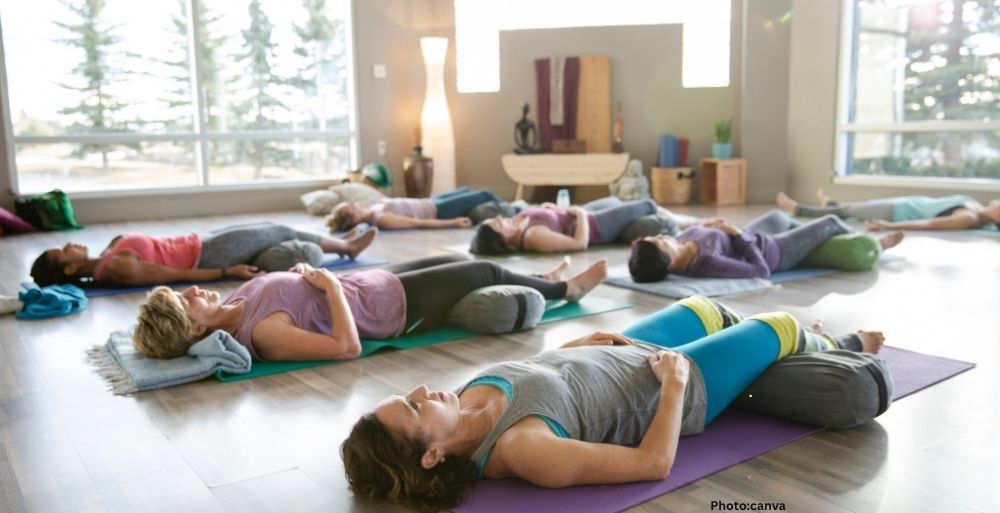
Simple restorative yoga poses can help individuals recharge and combat feelings of exhaustion without requiring extensive time or experience.
In today’s fast-paced world, many individuals find themselves grappling with exhaustion and stress. As people navigate the demands of work, family, and personal obligations, the need for effective relaxation techniques has never been more pressing. On June 25, 2026, YogaRenew teacher Melie Purdon shared insights on four restorative yoga poses designed to help individuals unwind and recharge, even during brief moments of free time.
Understanding the Need for Restorative Practices
Restorative yoga emphasizes relaxation and recovery, offering practitioners a way to slow down and reconnect with their bodies. This form of yoga can be particularly beneficial for those experiencing burnout or chronic stress, as it encourages deep breathing and mindfulness. According to a survey conducted by the American Psychological Association, nearly 80% of Americans report feeling stressed at work, highlighting the importance of integrating restorative practices into daily routines.
In addition to the psychological benefits, restorative yoga can also have physiological effects. Research indicates that consistent practice can lower cortisol levels, improve sleep quality, and enhance overall well-being. As awareness grows regarding the impact of stress on health, more individuals are seeking accessible methods to manage their mental and physical states.
Four Effective Restorative Yoga Poses
Purdon’s recommended poses require minimal equipment and can be performed in various settings, including at home or even in an office environment. Below are the details on how to perform each pose effectively:
1. Downward-Facing Dog With a Chair
This adapted version of the classic Downward-Facing Dog can be performed using a chair, making it accessible even for individuals who may have difficulty getting down on the floor. The chair provides support, allowing practitioners to focus on deep, restorative breathing.
How to: Stand facing the seat of a sturdy chair. Place your hands on the front corners of the seat, ensuring a firm grip. Gradually walk your feet back until your arms are straight, lengthening your body while pressing your heels toward the floor. It is encouraged to keep your knees slightly bent for comfort. Remain in this position for several breaths before returning to a standing position.
2. Reclined Bound Angle Pose
This pose promotes relaxation by supporting the back and allowing for deep breathing, which can release tension throughout the body. By opening the hips and chest, this pose can also stimulate a sense of emotional release, which is often needed in moments of stress.
How to: Sit in front of a bolster or a stack of cushions. Bring the soles of your feet together and allow your knees to fall outward. Use rolled blankets to support your outer thighs and shins. Slowly recline against the bolster, breathing deeply and remaining in this pose for several breaths. This position can help diminish feelings of anxiety and foster a sense of inner calm.
3. Supported Supine Twist
Twists in yoga are often described as therapeutic for the nervous system, as they help relieve tension in the spine and promote relaxation through gentle stretching. This pose can aid in digestion and help detoxify the body by gently massaging the internal organs.
How to: Begin by lying on your back and bringing your knees toward your chest. If available, use a folded blanket or pillow between your knees and a strap or belt to maintain hip-distance. Lower your knees to the right while extending your arms in a T-shape. Turn your head to gaze toward the ceiling or over your left shoulder, holding this position for several breaths before repeating on the left side. This sequence not only aids in physical relaxation but also encourages a mindfulness practice that can enhance self-awareness.
4. Prone Supported Savasana
This version of Savasana, performed on the stomach, provides a unique opportunity for sensory deprivation and deep relaxation. The experience can be particularly grounding, allowing individuals to disconnect from external distractions.
How to: Lie down on a bolster or pillows to support your torso from the abdomen to beneath the chin, and place a rolled blanket under your ankles for added comfort. Another folded blanket can be positioned under your forehead. Rest your arms alongside your body, palms facing down or up, and allow yourself to relax for as long as possible. This pose encourages the body to enter a state of stillness, which can be profoundly rejuvenating.
Conclusion
Incorporating these restorative yoga poses into daily life can aid in combating exhaustion and stress. As individuals increasingly recognize the importance of self-care, practices such as restorative yoga can provide essential tools for managing the demands of modern life. The simplicity and accessibility of these poses make them an effective solution for anyone seeking a moment of peace in a hectic world.
As awareness of mental health continues to rise, the integration of such practices into regular routines may play a crucial role in fostering resilience against the pressures of everyday life. Whether it’s a busy workday or the stresses of home life, taking a few minutes for restorative yoga can be a vital step toward maintaining both mental and physical health.






No Comment! Be the first one.